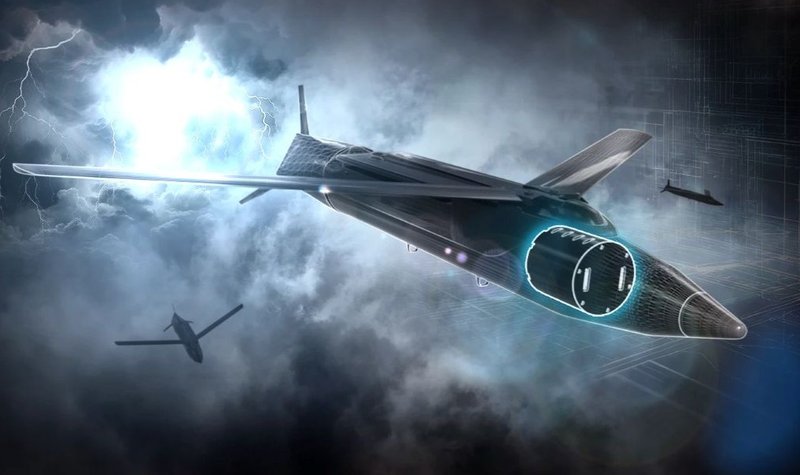
South American air forces are weighing advanced electronic warfare capabilities against limited budgets as Peru selects Viper Shield and BAE Systems targets smaller airborne platforms.
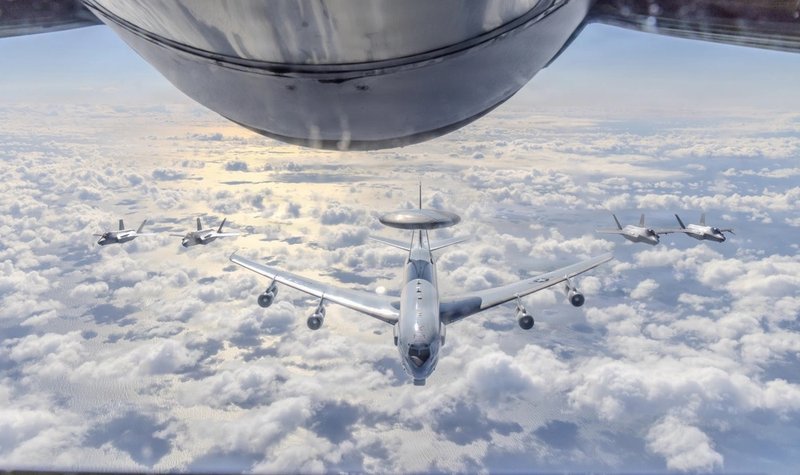
The US Air Force says the Sentry fleet’s DAR-400 encryptor can no longer keep pace with changing security requirements and warns that a failure could affect US operations and data security.
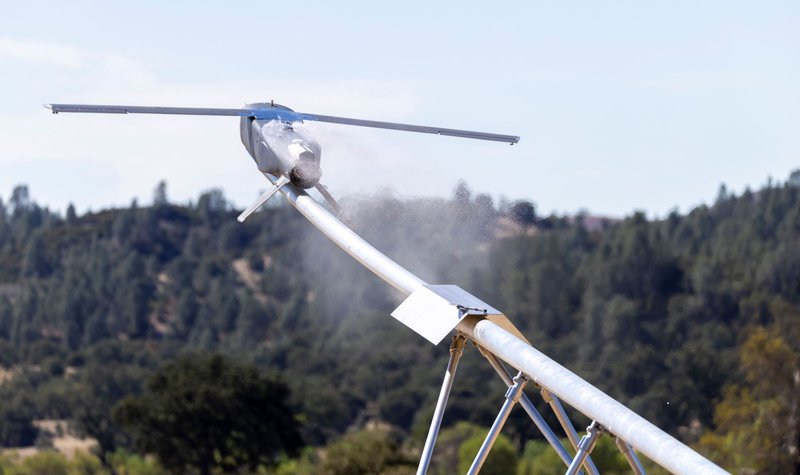
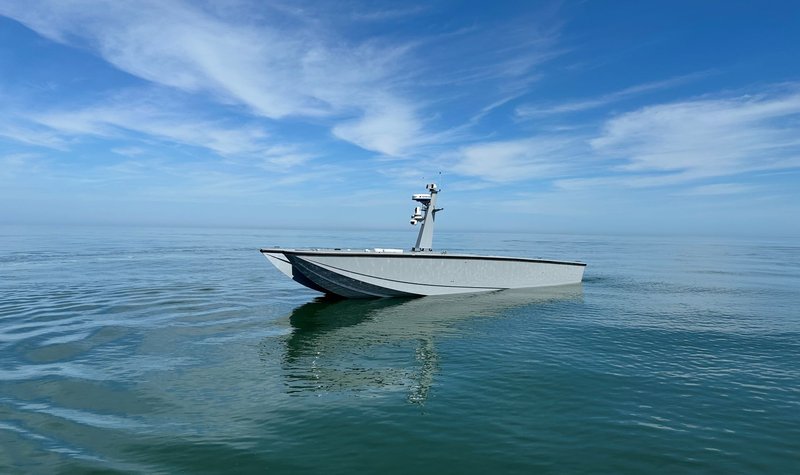
The US Army Special Operations Command and Naval Special Warfare are accelerating efforts to integrate commercial uncrewed systems, with NSW broadening its solicitation to include USVs and UUVs alongside new requirements for ISR, kinetic op...
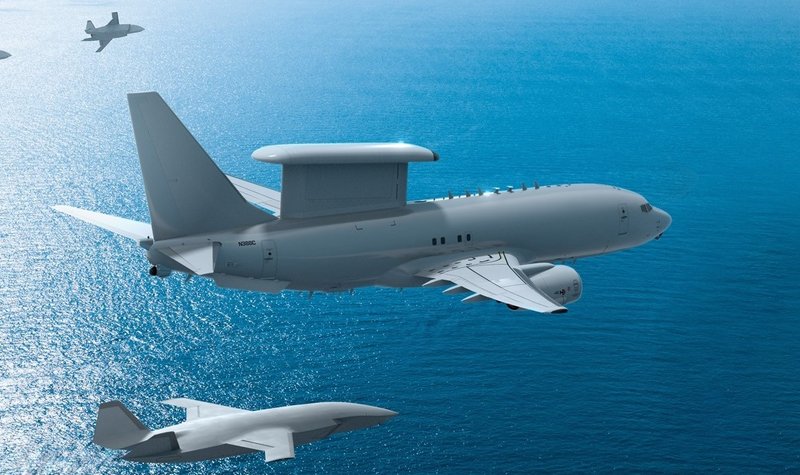
The Pentagon has sent an amendment to the Office of Management and Budget, according to Pete Hegseth, including funds for the procurement of E-7 Wedgetails in FY2027.
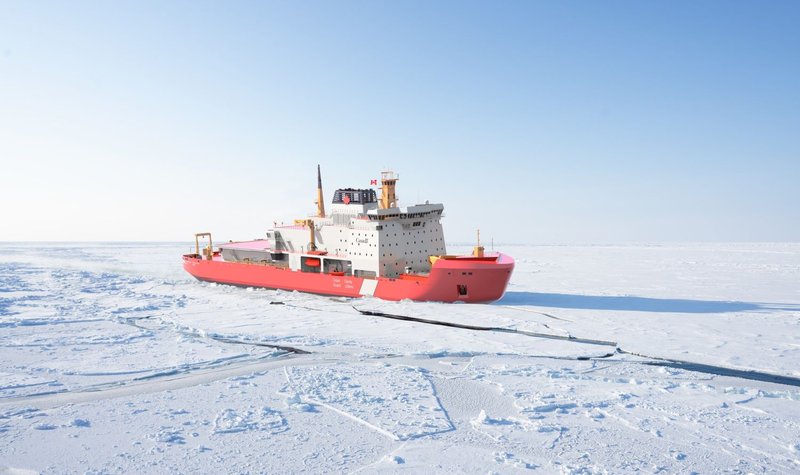
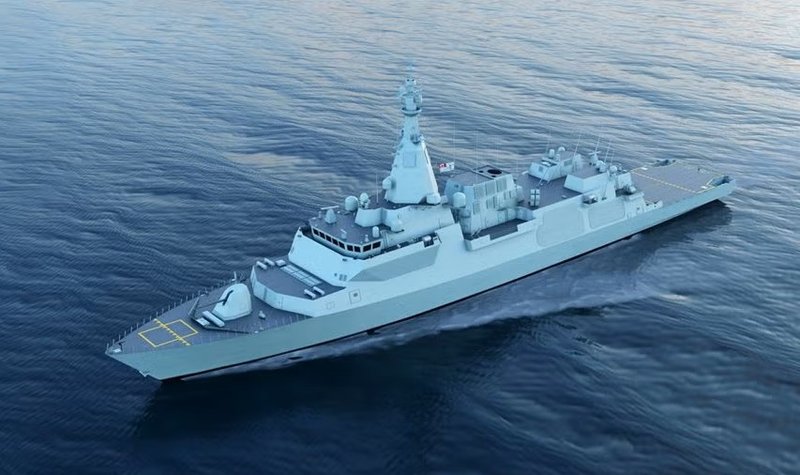
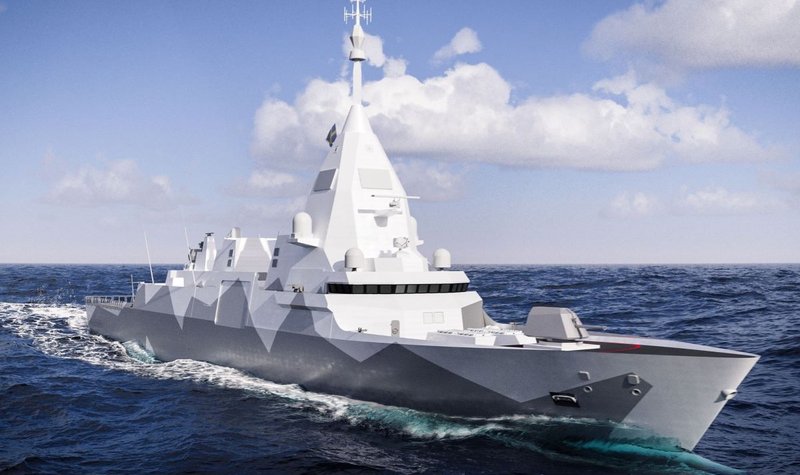
Currently at the block fabrication and construction stage, the HMCS Fraser’s keel-laying ceremony is scheduled to take place next month as a step towards increasing the Royal Canadian Navy's anti-submarine and air defence capabilities.
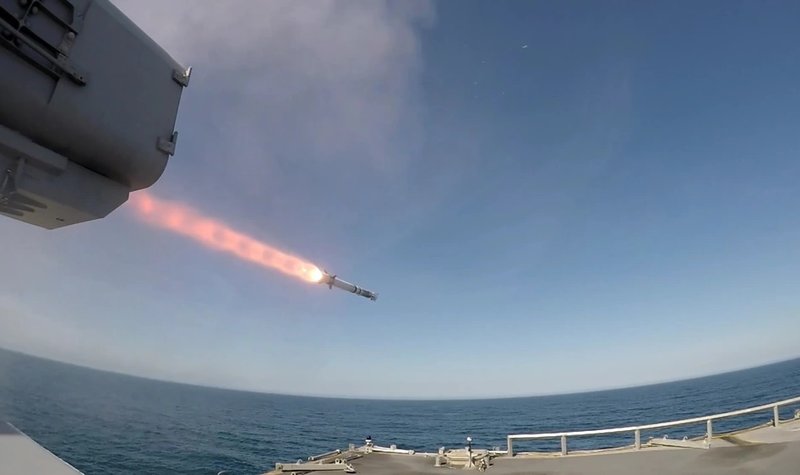
Under a contract with Mitsubishi Heavy Industries, Raytheon will provide SeaRAM launchers, blast test vehicles and technical services for the Royal Australian Navy’s Sea3000 General Purpose Frigate programme.
Artificial intelligence (AI) is transforming defence communications, boosting situational awareness and electronic warfare (EW) capabilities across the battlespace. Bittium’s new partnership with MarshallAI will significantly enhance networ...
As militaries face an overwhelming flow of data, the challenge is shifting from collection to delivering fast, actionable insights that drive decision-making. Advances in AI and data integration are helping armed forces move beyond siloed s...
European militaries face a new security landscape, with the proliferation of drones, theatre ballistic missiles and other threats boosting requirements for airborne intelligence, surveillance and reconnaissance (ISR) and related systems. F...
Sweden’s Luleå frigate programme is gathering momentum, with a Saab and Babcock joint proposal and Navantia and Naval Group each presenting distinct propositions for a quartet of warships.