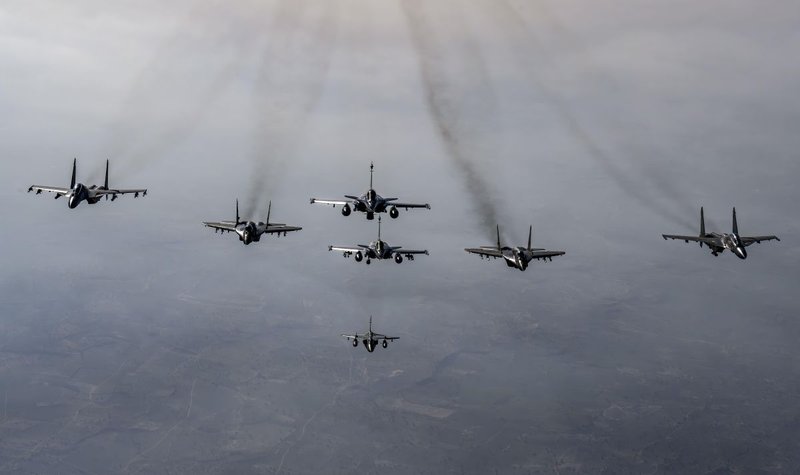
Senior military leaders have highlighted the need for interoperable systems, common data standards and closer cooperation between India's armed services.
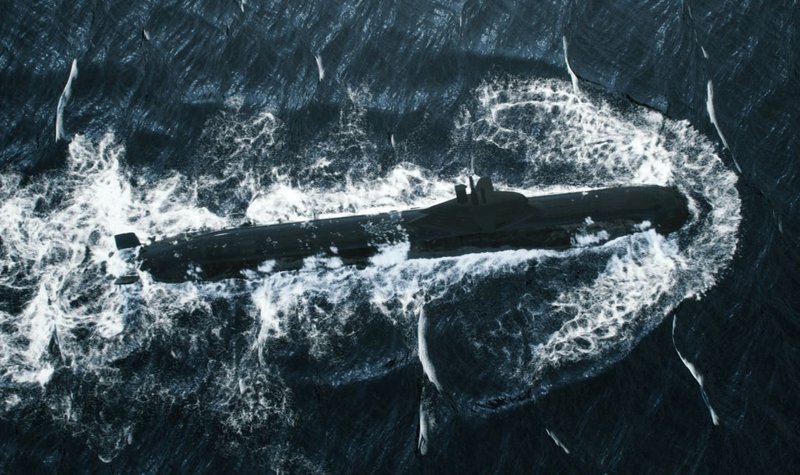
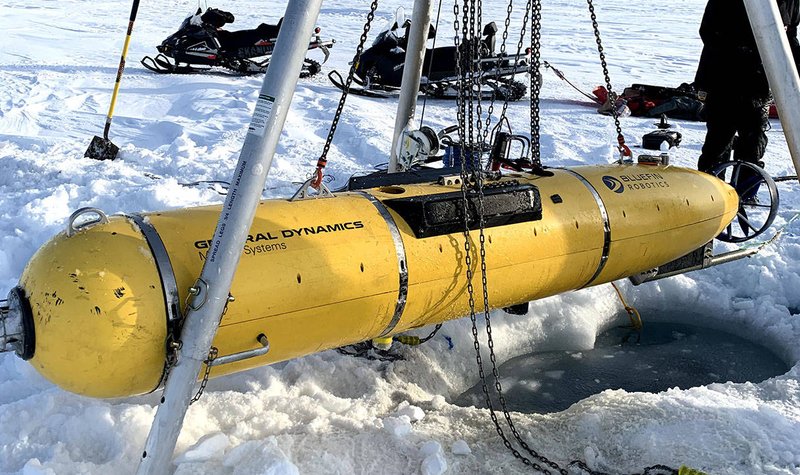
The changing Arctic environment is creating new challenges for submarine detection, driving demand for distributed sensors, uncrewed underwater vehicles and real-time acoustic modelling.
NATO has spent more than a decade building one of the world’s most sophisticated maritime uncrewed experimentation ecosystems, but still lacks a way to translate this testing into alliance-wide operational capability. Portugal now believes ...
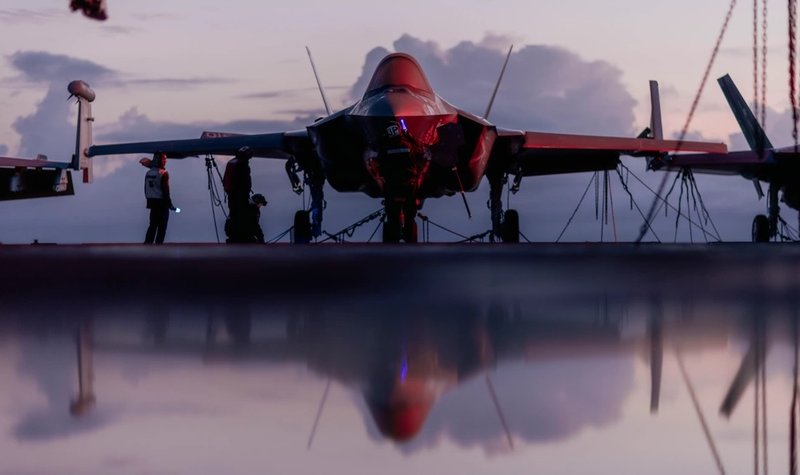
The fighter jet remains a combat necessity, but sustainment challenges continue to limit its readiness. In the meantime, the US Air Force seeks billions in funding to improve the F-35's availability.
In a recent report, the GAO warns that delays, availability issues and operational pressure could create gaps in the USAF refuelling inventory while the branch transitions to the KC-46 Pegasus.
From mobile launch trailers to ship decks, software and platforms such as Shield AI’s Hivemind and its X-BAT and V-BAT are positioning autonomous systems as a credible force option for militaries priced out of traditional airpower.
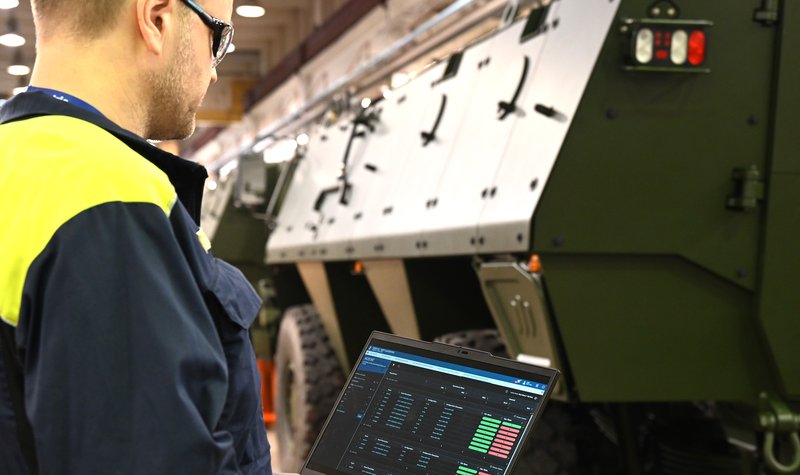
European militaries face a rapidly evolving security landscape and defence production must accelerate to meet surging demand for platforms and equipment. Industry needs to adapt to ensure it gets its products into the hands of the end user,...
Designed as a multi-role frigate with both anti-submarine and air defence capabilities, Naval Group’s medium-sized FDI frigate increasingly stands out as a success story in an industry wrought with delays.
A Pentagon push to procure warships from Japanese and South Korean shipyards could reshape allied naval industrial strategy, but critics warn the approach risks hollowing out the domestic base Washington is seeking to restore.
The UK defence secretary’s departure suggests that the long-delayed Defence Investment Plan is unlikely to meet the funding demands of the armed forces, with consequences for procurement and the UK’s standing at a NATO summit weeks away.
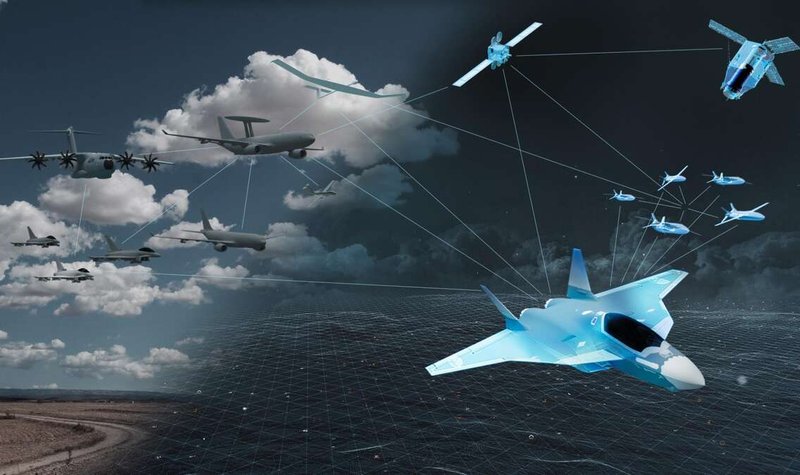
While the New Generation Fighter pillar of the Franco-German-Spanish programme is now officially dead in the water, Germany’s ambition to develop a sixth-generation fighter jet remains – with the country serving as a financially attractive ...
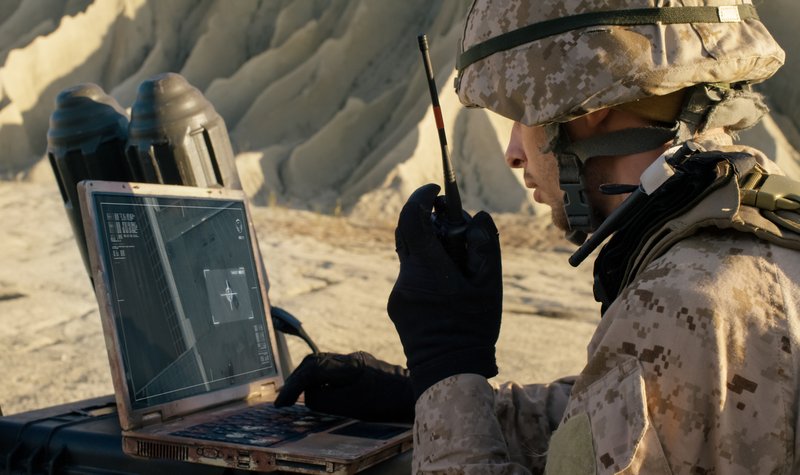
Today's rapidly changing security landscape means that armed forces can no longer treat their data in the same way as in the past. What are the key challenges they face, and how can industry help them?
The House Armed Services Committee recently released the Chairman’s NDAA FY2027 markup, which supports the Pentagon’s request for nearly $90 billion for long-range missiles, air defence interceptors, precision-guided munitions and industria...