20th August 2021
USAF conducted exercises using Northrop Grumman’s Global Hawk UAV to advance the ABMS.
20th August 2021
DoD says M/V Empire State will help to meet its global petroleum transport requirements.
20th August 2021
Sales growth from military customers was offset by a slump in demand from commercial aviation.
20th August 2021
Welcome to Episode 33 of the third series of The Weekly Defence Podcast. Listen on Apple Podcasts, Google Podcasts, Spotify and more.
20th August 2021
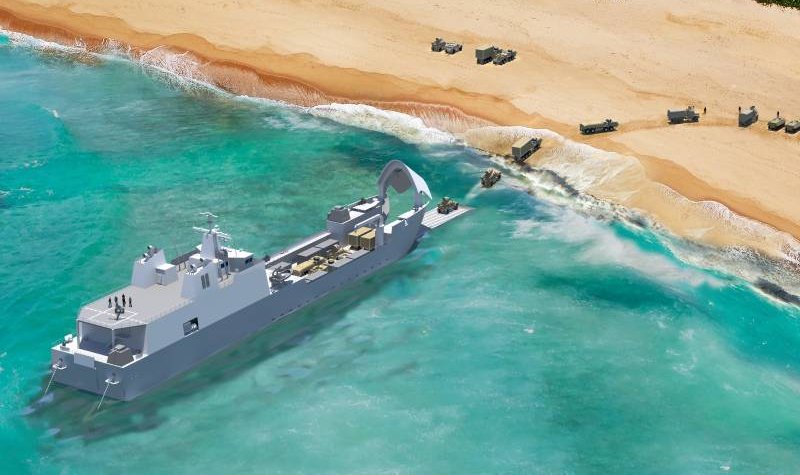
Austal USA, Fincantieri, VT Halter Marine, Bollinger and TAI Engineers have all been awarded contracts for the current phase of the LAW programme.
20th August 2021
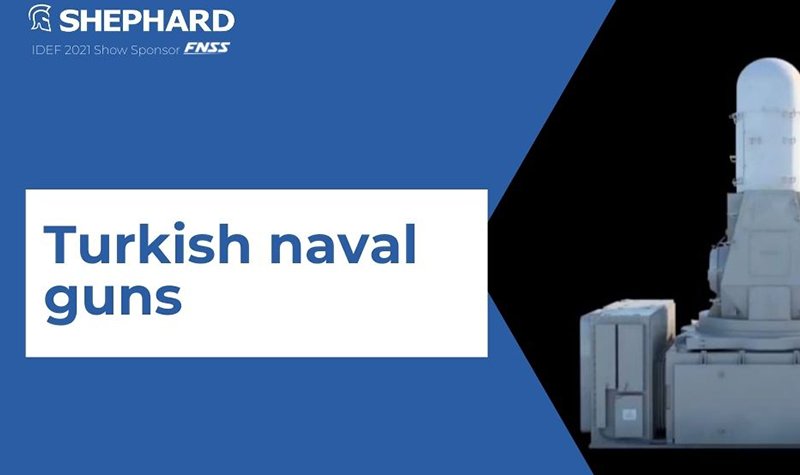
New 76mm gun and close-in weapon system could equip current and future Turkish Navy surface combatants.
20th August 2021
NMESIS will provide the Marine Littoral Regiment with a ground-based anti-ship capability.
20th August 2021
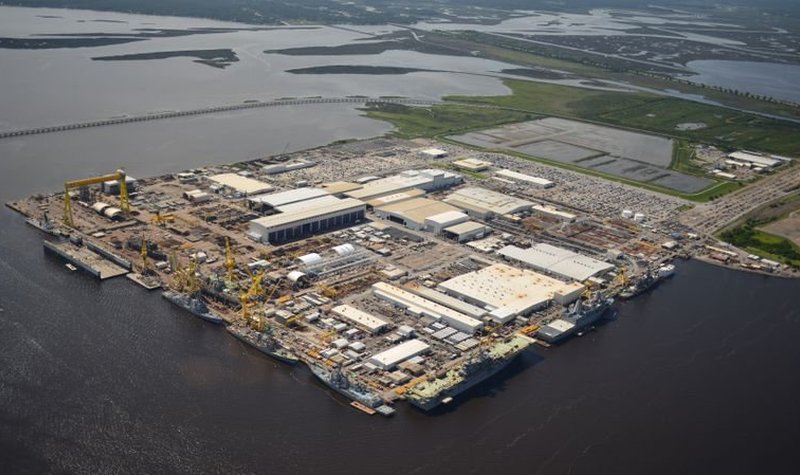
Huntington Ingalls Industries (HII) first announced the $1.65 billion cash acquisition plans in July.
20th August 2021
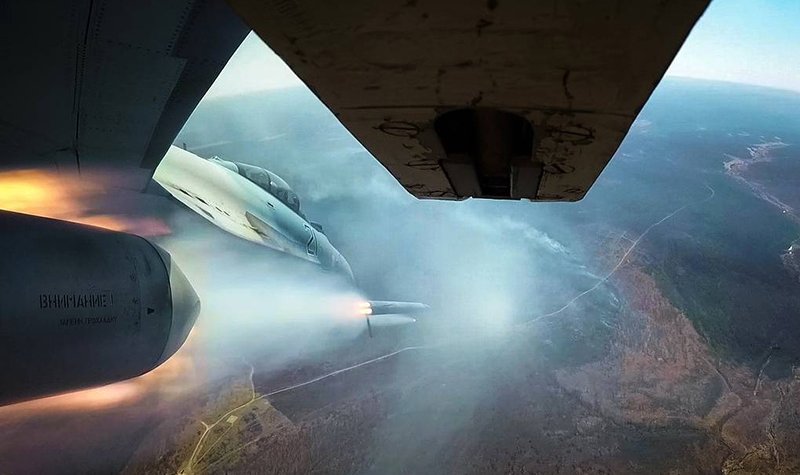
Russian S-8OFP unguided rocket features increased mass and penetration properties – but will accuracy suffer?
20th August 2021
Huge ASW opportunities in Australia await the right OEM(s), and SEA hopes to be one of them with its innovative products.
19th August 2021
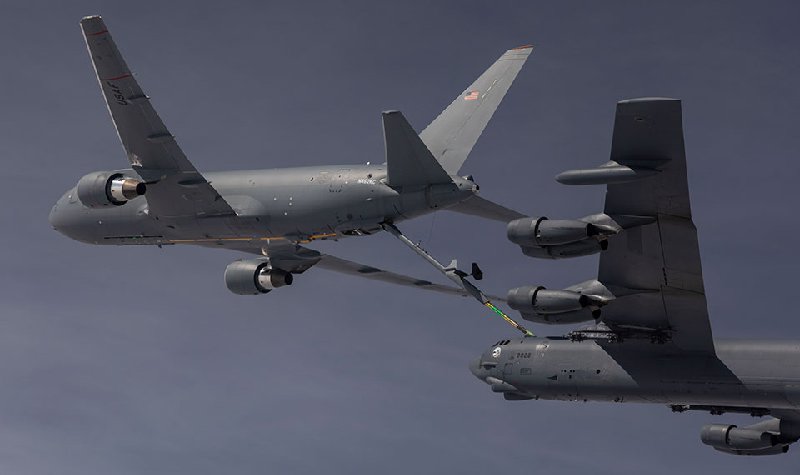
The first KC-46A for a non-US customer gives and receives fuel with another KC-46A.
19th August 2021
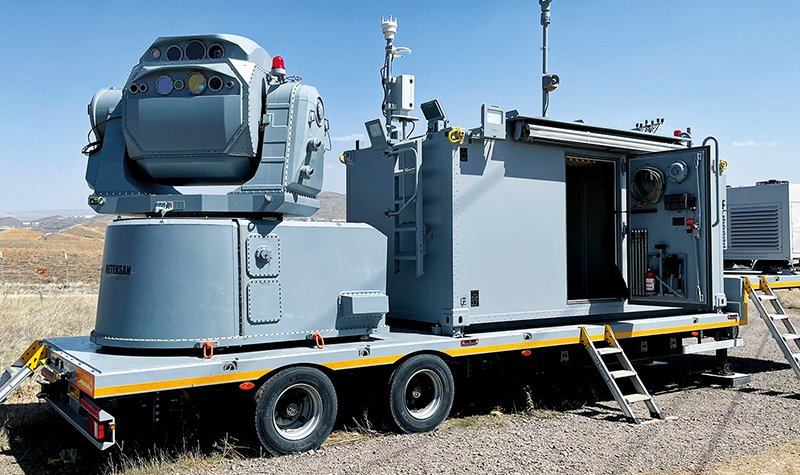
Meteksan's Nazar will be used to protect surface combatants against incoming optically guided threats, with the first ship integration due in 2023.
[[ formatDate(article.publish_start) ]]
[[ article.abstract ]]
[[ loading ? 'Loading...' : 'LOAD MORE' ]]
No more articles to load.