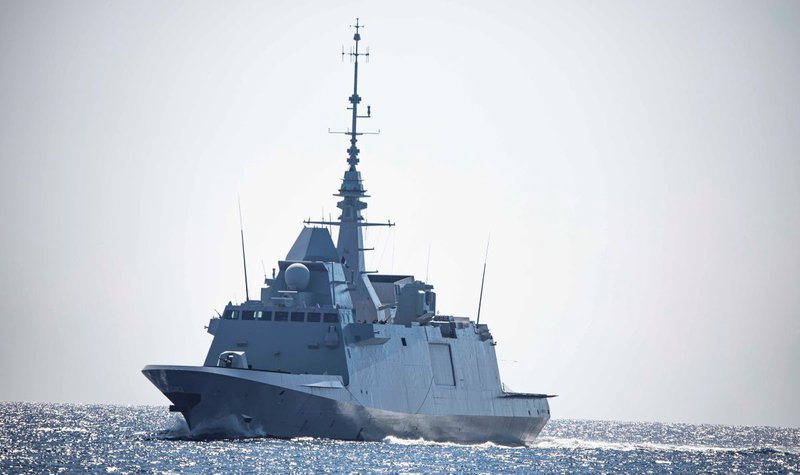
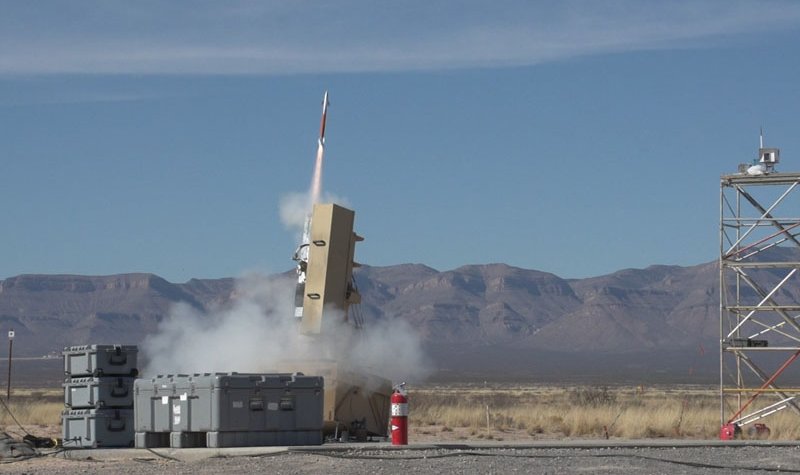
New interceptors and launchers could help navies preserve missile stocks during prolonged escort operations. Yet lower engagement costs will only improve merchant protection if the weapons are available where ships need defending.
Western armies continue to test uncrewed ground vehicles, but wider procurement will depend on turning ambitions for autonomy into defined operational roles and funded requirements.
The more precise a weapon is the less collateral damage and innocent casualties are affected by the technology. Companies are continually advancing their technologies to …
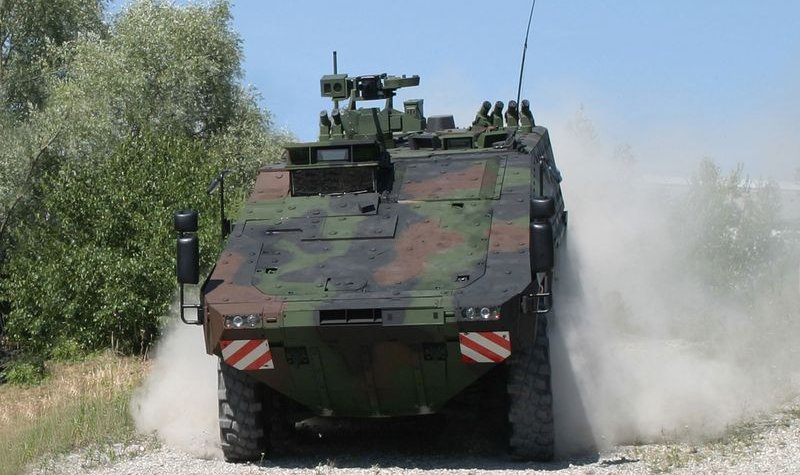
The Slovenian MoD has announced that it will move forward with plans to acquire the German-made Boxer 8x8 armoured vehicle, making it the fourth country …
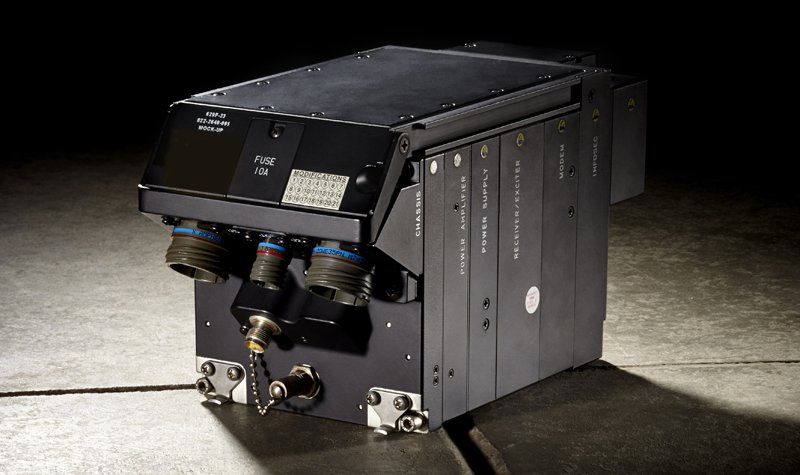
Rockwell Collins has achieved a sale of its next-generation AR-1500 networked communications airborne radio, with Taiwan revealed as the equipment’s maiden customer. Using software-defined architecture, …
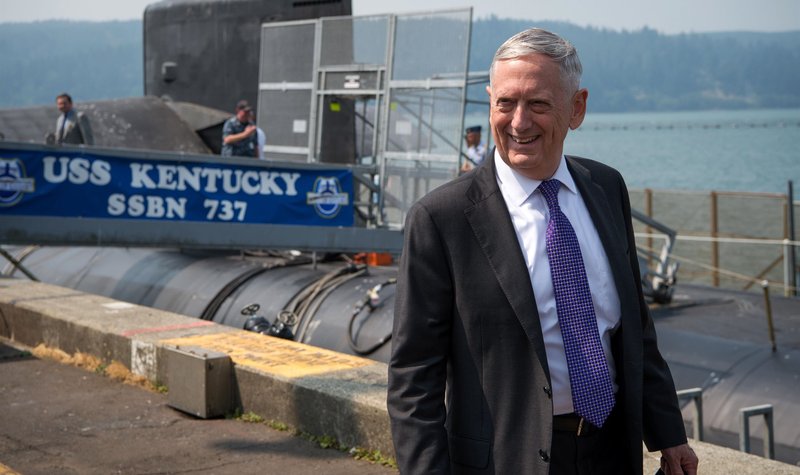
The Pentagon has unveiled the official version of its Nuclear Posture Review, which calls for a revival of nuclear sea-launched cruise missiles and a less powerful …
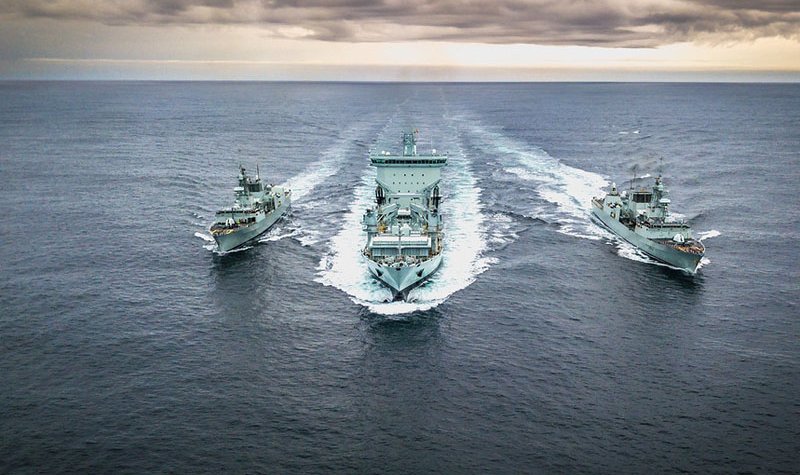
The Royal Canadian Navy’s (RCN) Asterix support ship has achieved full operational capability (FOC) following the completion of testing, Davie Shipbuilding and Federal Fleet Services …
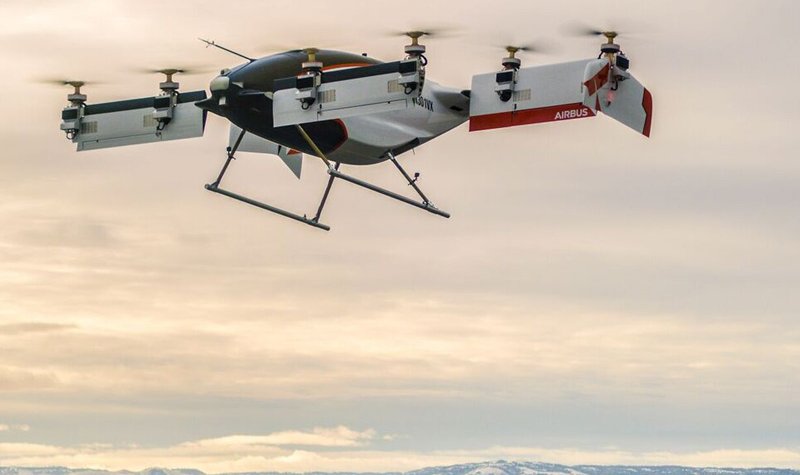
Airbus has successfully conducted the first test flights of the Vahana, an electric, pilotless flying vehicle that it hopes will be able to ferry people …
French police have confirmed five people were killed on 2 February after two of the country's army training helicopters crashed into each other near a …
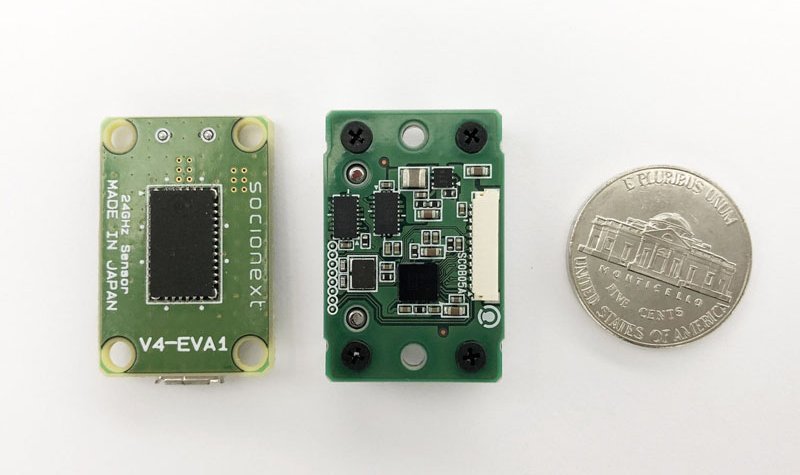
Aurora Flight Sciences is partnering with Socionext to develop a Radar Flight Control Module (RFCM) for civil UAS, Aurora announced on 30 January. The radar-enabled …
Lockheed Martin's Miniature Hit-to-Kill (MHTK) missile has been tested at White Sands Missile Range, New Mexico, to demonstrate the interceptor’s increased agility, the company announced …