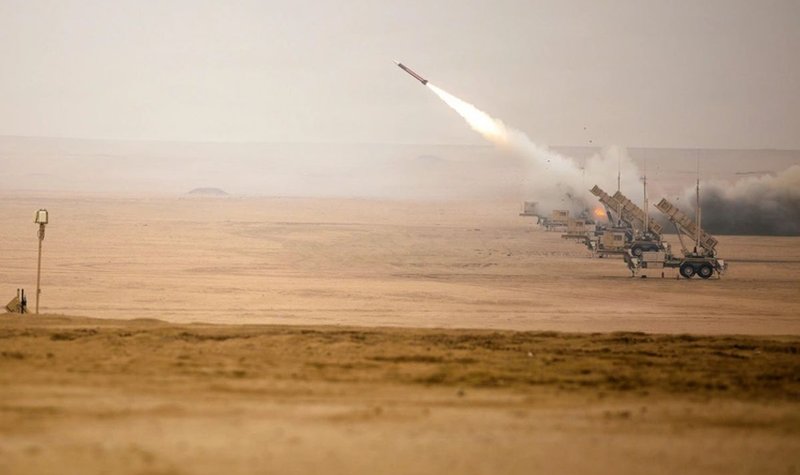
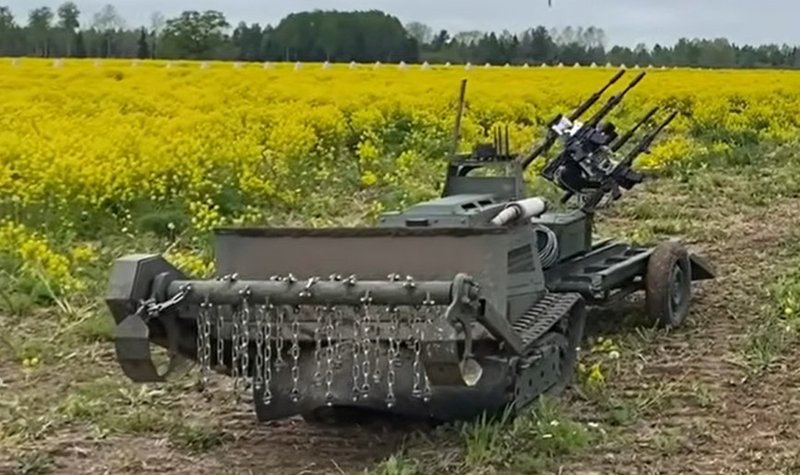
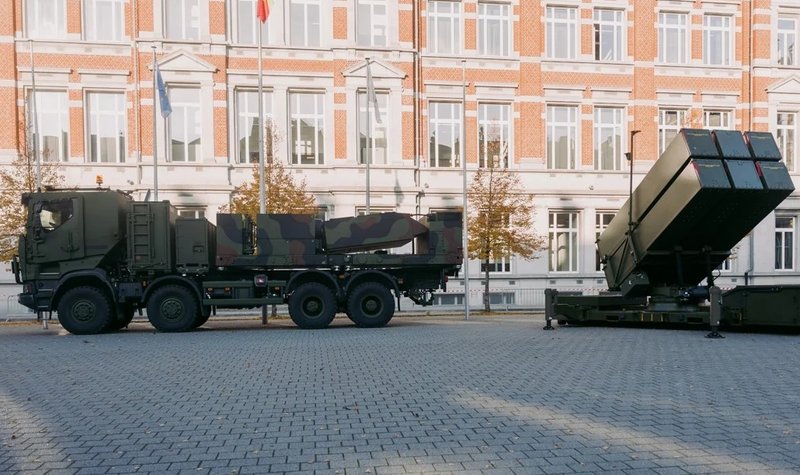
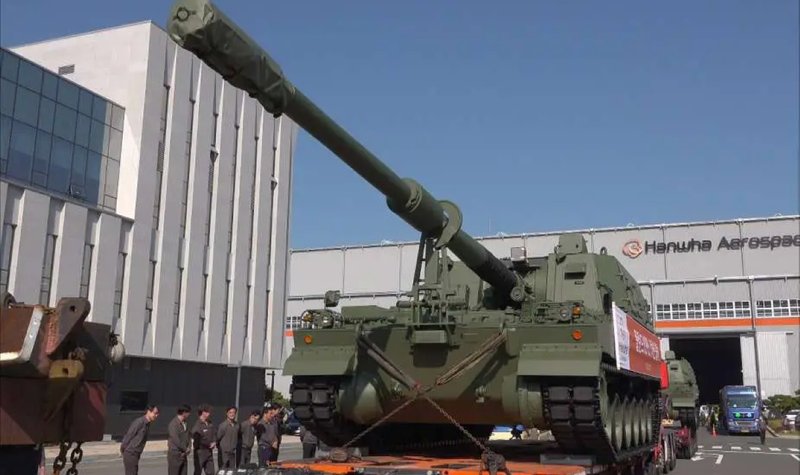
Poland’s potential €53 billion land procurement pipeline could give it one of Europe’s largest armoured vehicle fleets, with local production, technology transfer and future exports central to the strategy.
New interceptors and launchers could help navies preserve missile stocks during prolonged escort operations. Yet lower engagement costs will only improve merchant protection if the weapons are available where ships need defending.
Thales will equip US Army security force assistance brigades (SFAB) with the AN/PRC-148C Improved Multiband Inter-Intra Team Radio (IMBITR) under a $37 million contract announced …
Morgan Advanced Materials has received a £4.49 million contract from the UK Ministry of Defence (MoD) to deliver hard body armour. The body armour will …
Operators from the US Marine Corps Forces Special Operations Command (MARSOC) have become the first US Special Forces personnel to begin battlefield medicine training with …
General Atomics Electromagnetic Systems (GA-EMS) has received a contract from Advanced Technology International for the Army Resilient Global on-the-move SATCOM (ARGOS), the company announced on …
In July 2017, the Bahrain Royal Guard Special Forces celebrated its tenth anniversary. For five of those years, Andrew Goodall, a former British Army Parachute …
Persistent Systems has teamed up with Endeavor Robotics to provide its mobile ad hoc network (MANET) technology as part of the US Army’s Man-Transportable Robotic …
Bittium has received a purchase order worth $1.29 million for its Tough Comnode terminal from the Finnish defence forces, the company announced on 8 December. …