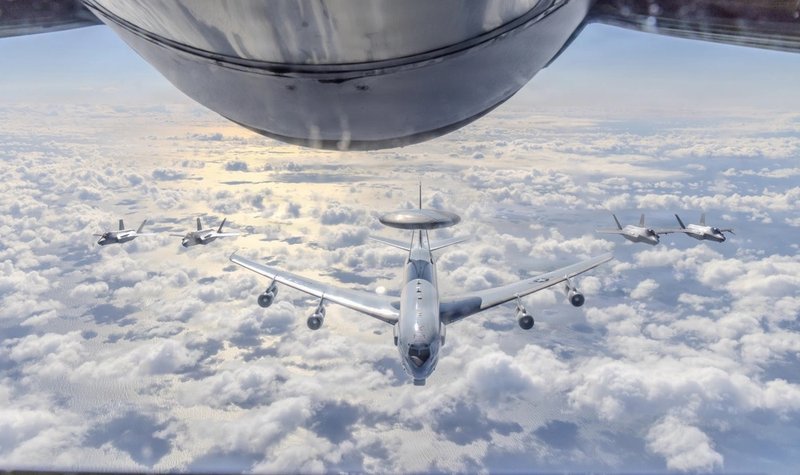
The US Air Force says the Sentry fleet’s DAR-400 encryptor can no longer keep pace with changing security requirements and warns that a failure could affect US operations and data security.
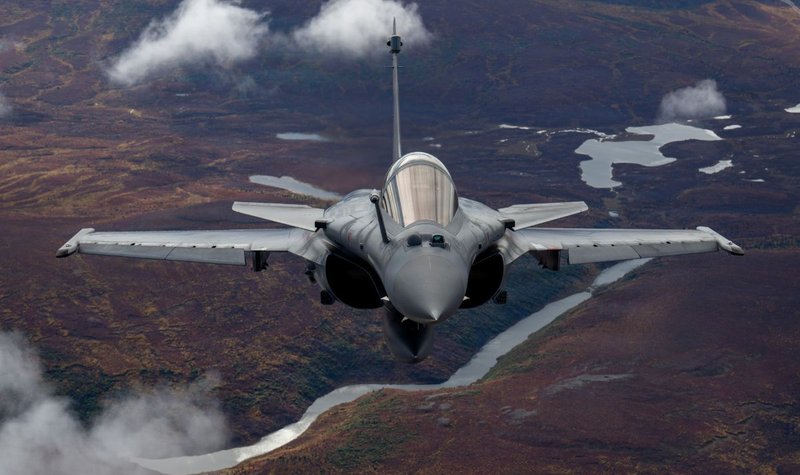
Dassault’s latest Rafale trials join Gripen E and F-16 testing as developers explore how artificial intelligence could support and control combat aircraft.
Pivotal has demonstrated its lightweight electric VTOL aircraft, BlackFly, live at SOF Week 2025, as the company positions the platform for special operations and wider defence applications.
Intelsat outlines how its multi-orbit SATCOM architecture is enhancing connectivity and resilience for special operations forces operating in degraded and contested environments.
Today's rapidly changing security landscape means that armed forces can no longer treat their data in the same way as in the past. What are the key challenges they face, and how can industry help them?
Over the next 18 months, the air force's research facility intends to accelerate the progress of resilient, autonomous solutions to support aircraft and helicopter deployments in DDIL overland and over-the-water scenarios.
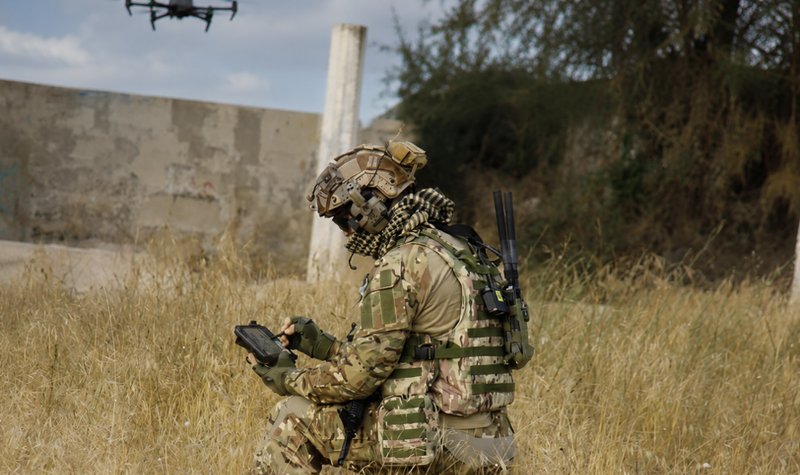
USSOCOM is expanding the use of artificial intelligence, autonomous systems and human-machine teaming to improve decision-making, survivability and operational reach in contested environments.
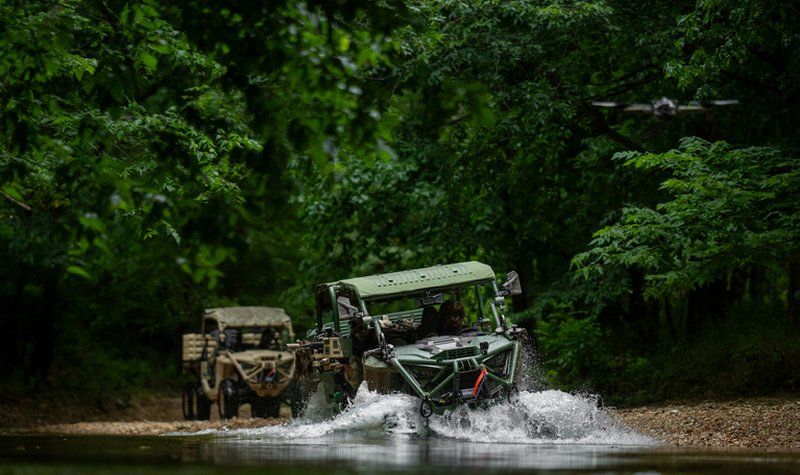
The MRZR Alpha 5kW has been designed to charge multiple battlefield systems, including active defence systems, sensor arrays, onboard electronics, UAS and CUAS equipment, and other C5ISR capabilities. The platform can also power external lo...
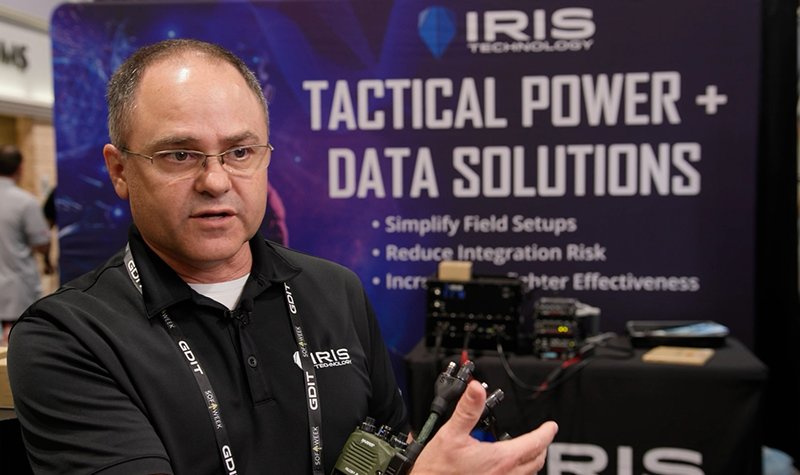
At SOF Week 2026, Sean O’Neill, Senior Business Development Manager with Iris Technology, discusses the growing importance of tactical power management systems for modern military operations.
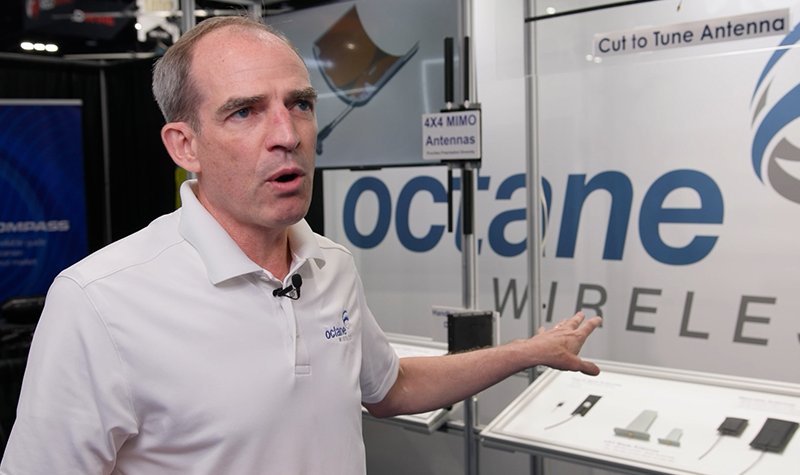
At SOF Week 2026, Austin Farnham, President of Octane Wireless, discusses how direct feedback from special operations forces is helping shape the next generation of battlefield communications technology.
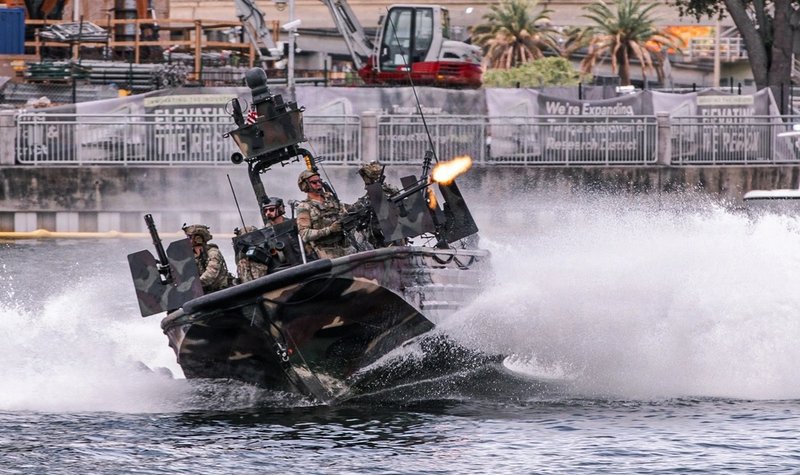
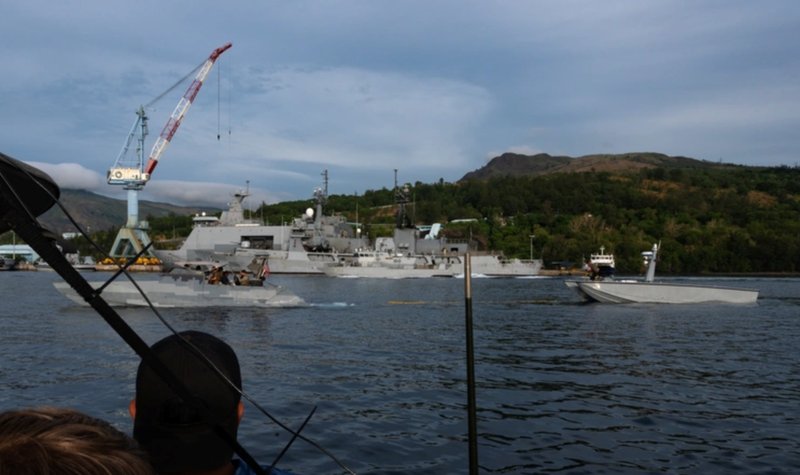
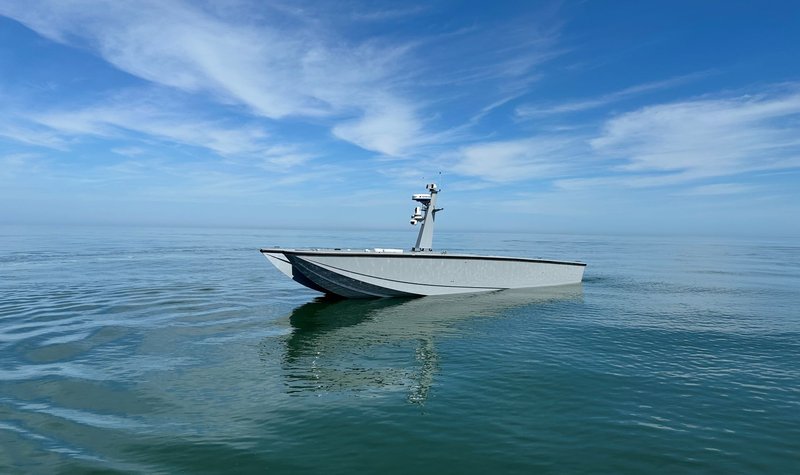
The US Army Special Operations Command and Naval Special Warfare are accelerating efforts to integrate commercial uncrewed systems, with NSW broadening its solicitation to include USVs and UUVs alongside new requirements for ISR, kinetic op...
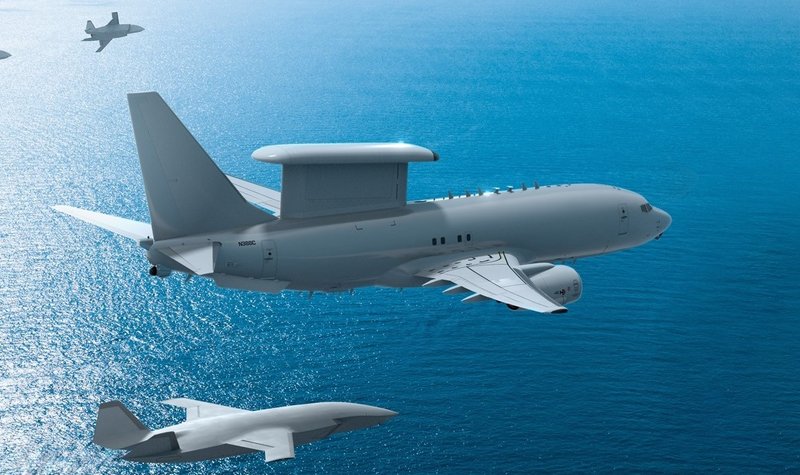
The Pentagon has sent an amendment to the Office of Management and Budget, according to Pete Hegseth, including funds for the procurement of E-7 Wedgetails in FY2027.