NATO looks for answers to overcome standards hurdles and improve procurement
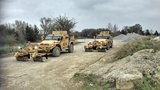
A key feature of the DiBaX segment of NATO FUSE was C2 integration across nations for a common operating picture. (Photo: NATO)
NATO is looking to artificial intelligence to provide integration between different C2 systems to create a common operational picture, potentially offering a faster route to interoperability than the slow-moving processes of NATO standards committees.


NATO’s Federated Unified Sensing and Effects (FUSE) demonstration at the end of October sought to address several problems while highlighting new opportunities. Officials particularly emphasised potential ways to improve procurement processes, while addressing how artificial intelligence (AI) could be used to reduce the need for NATO Standardisation Agreements (STANAGs).
The event brought together a number of initiatives for an exercise which put crewed and uncrewed equipment and C2 systems into the hands of NATO allies for evaluation, before providing feedback to companies.
Alongside this, NATO attempted to demonstrate how AI could be used to integrate disparate C2 systems as an alternative to the STANAG
Our news & analysis is now part of Defence Insight®
A Basic-level or higher Defence Insight subscription is now required to view this content.

You may also like

More from Land Warfare
-
![Euronaval 2026: faster frigates, evolving contracts and drone motherships lead opening conference]()
Euronaval 2026: faster frigates, evolving contracts and drone motherships lead opening conference
Fast frigate deliveries to the Hellenic Navy, French pressure on suppliers over open architectures and calls for new classes of warship marked the start of the Paris show.
-
![Canada accelerates uncrewed aerial system procurement for NATO and Arctic forces]()
Canada accelerates uncrewed aerial system procurement for NATO and Arctic forces
Canada plans to acquire at least 120 uncrewed aerial systems through two competitions with combined funding ceilings of C$32 million.
-
![October land forces roundup: AUSA dominates as list narrows for new British Army vehicle]()
October land forces roundup: AUSA dominates as list narrows for new British Army vehicle
New counter-drone technologies, autonomous launchers and manufacturing modernisation initiatives highlighted emerging opportunities for defence suppliers, while the UK advanced a major military vehicle procurement programme.
-
![Coming to America: companies look to tap into US with multi-domestic strategy]()
Coming to America: companies look to tap into US with multi-domestic strategy
Non-US companies are increasingly looking to establish subsidiary and partnerships to access the potential billions of dollars of vehicle and land systems contracts and there has already been some success.
-
![Front-line support: how UK industry is helping tackle Ukraine’s landmine challenges]()
Front-line support: how UK industry is helping tackle Ukraine’s landmine challenges
Pearson Engineering has provided equipment and engineering expertise to the Armed Forces of Ukraine since the beginning of the full-scale Russian invasion in 2022. The British company is now working to deepen engagement with the Ukrainian defence industry, expanding its support for the country’s population and laying the foundations for future technological innovation.