Senior military leaders have highlighted the need for interoperable systems, common data standards and closer cooperation between India's armed services.
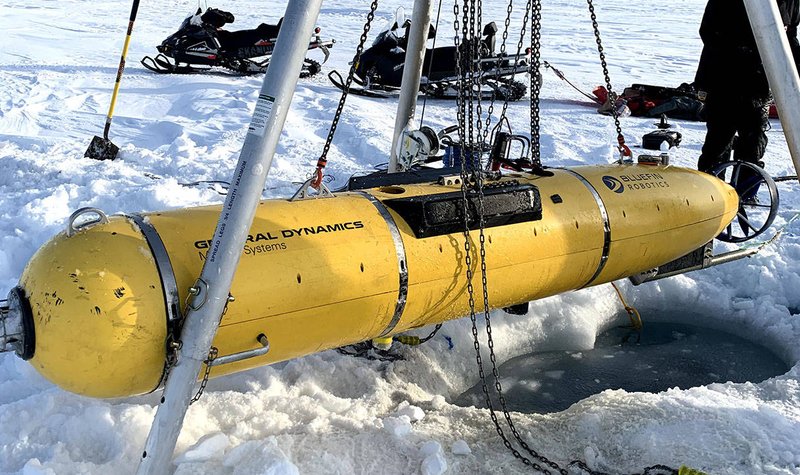
The changing Arctic environment is creating new challenges for submarine detection, driving demand for distributed sensors, uncrewed underwater vehicles and real-time acoustic modelling.
The Royal Navy’s transition towards a hybrid fleet could prove to be less about building more hulls and more about delivering the autonomous technologies, AI and digital integration that will support future maritime operations.
As affordable counter-drone solutions become a military priority, repurposing training aircraft could emerge as a credible option to prepare for emergency scenarios.
Australia is investing in weapons and missile manufacture and shipbuilding as part of a long-term plan that involves restructuring procurement and export systems under its 2026 Defence Industry Development Strategy.
RTX Raytheon is accelerating production of the AIM-9X Sidewinder, aiming to reach 2,500 missiles annually by late 2027 while strengthening its supply chain following two US Navy major contracts worth more than $2.2 billion.
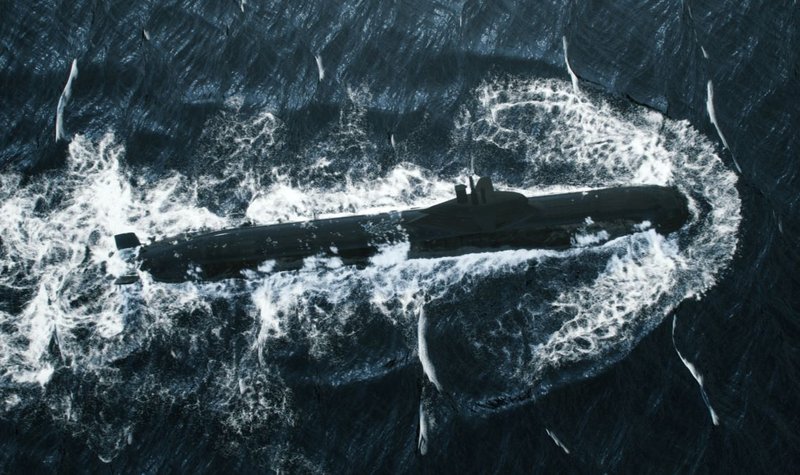
Investment in nuclear submarines, autonomous systems and stronger defensive capabilities for existing vessels show a clear strategic shift in Royal Navy priorities.
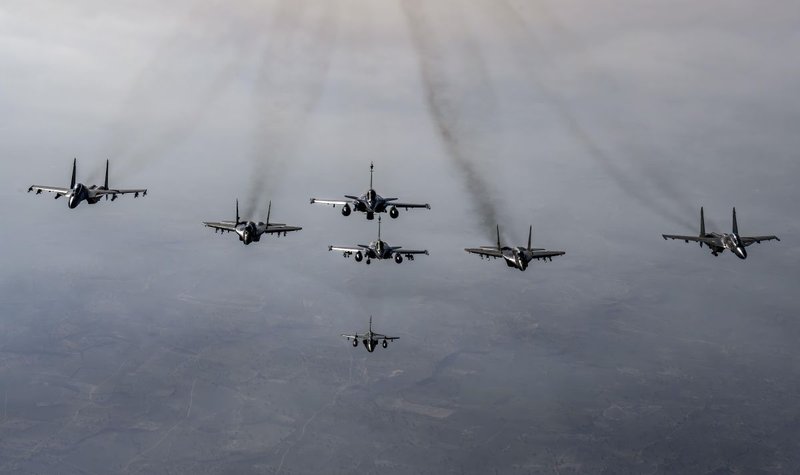
The DIP sees £8.6 billion earmarked for the Global Combat Air Programme, with heavy emphasis on uncrewed systems procurement and a national CCA programme, despite pushed forward helicopter retirements and questions over what shape future IS...
The USAF plans to award up to four contracts to expand production of large penetrator warhead case assemblies supporting the GBU-57 Massive Ordnance Penetrator and future GBU-76 Next-Generation Penetrator.
With a revised Defence Investment Plan on the way ahead of the upcoming NATO Summit on 7-8 July, the UK government has begun to reveal more details of how its future naval fleet could look.
The UAE’s Edge has undergone massive changes since it was formed in 2019, from acquisitions to partnerships, and has now set up a European division in Paris.
On 24 June 2026, the German Ministry of Defence announced it was cancelling the F126 frigate programme in favour of procuring eight MEKO A-200 DEU frigates.
Washington and Ottawa’s Arctic and homeland radar initiatives aim to strengthen early warning against cruise missiles, hypersonic weapons and long-range aerospace threats approaching North America.