India fast-tracks indigenous MALE drones as US trade rift stalls big-ticket deals
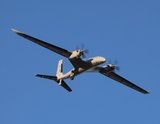
Adani Defence’s Drishti-10 MALE UAV is a contender in India’s $3.4B tri-service drone push. (Photo: Adani Defence)
With US tariffs and stalled defence talks slowing imports, India has cleared a $3.4 billion plan for 87 tri‑service MALE UAVs with 60% indigenous content – accelerating self‑reliance as operational lessons from May’s four‑day conflict drive urgency.


US disapproval and the failure to reach a trade deal – paired with escalated tariffs on India following sustained defence and oil imports from Russia – have put several defence purchases on ice.
The tariff retaliation has hit deals valued at US$9 billion to $10 billion, which are unlikely to proceed until trade tensions ease. India appears to have paused plans for new US weapon acquisitions: Defence Minister Rajnath Singh postponed his recent US visit intended to discuss the $3.6 billion Boeing P‑8I buy and co‑production talks for Stryker vehicles and Javelin missiles.
Amid delays in US deliveries – particularly
Our news & analysis is now part of Defence Insight®
A Basic-level or higher Defence Insight subscription is now required to view this content.



More from Air Warfare
-
![US Army extended-range CUAS missile ramjet work to continue through December 2029]()
US Army extended-range CUAS missile ramjet work to continue through December 2029
Northrop Grumman’s US$18.8 million XRC propulsion contract runs through December 2029, but performance targets and the pathway to operational fielding remain undisclosed.
-
![Saab’s GlobalEye gains ground as Canada’s aircraft procurement tilts towards Europe]()
Saab’s GlobalEye gains ground as Canada’s aircraft procurement tilts towards Europe
Canada’s interest in negotiating a procurement of Saab’s GlobalEye airborne early warning and control aircraft signals its readiness to reduce its reliance on US defence technology as trade tensions with its North American neighbour mount.
-
![US Air Force CCA programme to achieve multiple milestones in the coming months]()
US Air Force CCA programme to achieve multiple milestones in the coming months
The US Air Force is preparing to select mission-autonomy software, fire a missile from the FQ-42 Vengeance and test both CCA designs alongside crewed fighters at 2026 Emerald Flag.