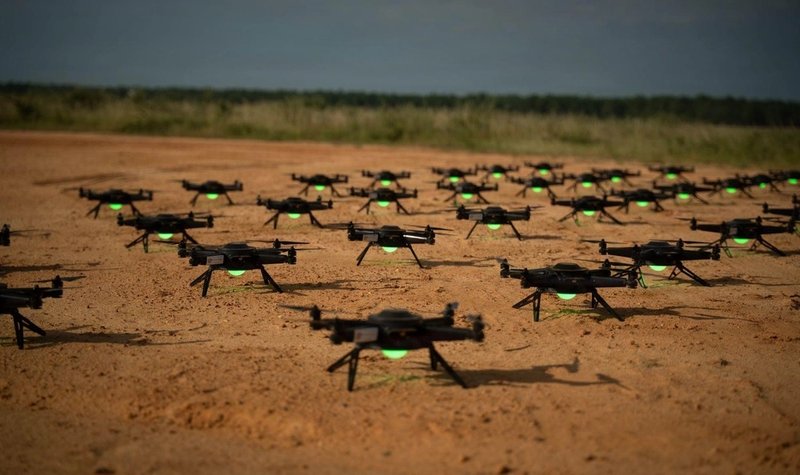
US Air Force, Army, Marine Corps and Special Operations Command initiatives signal demand for interoperable uncrewed systems control, creating opportunities for suppliers of hardware, software and integration services.
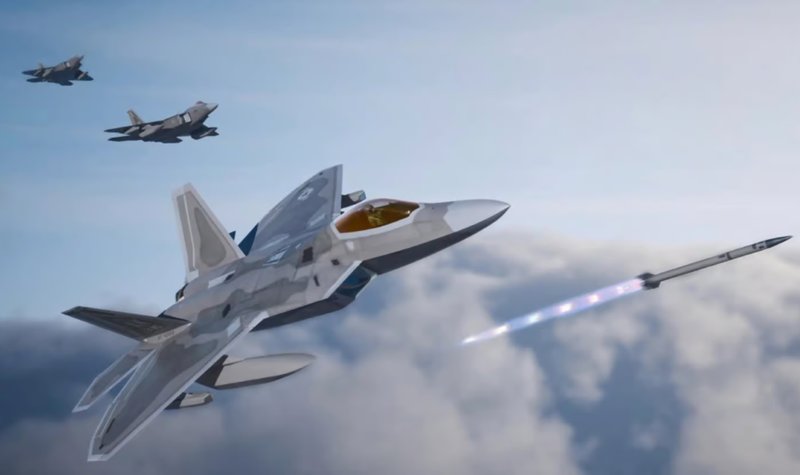
As global air combat operations continue to evolve at a rate not seen for decades, what will the next generation of air-to-air weapons look like, and what missions will they need to fulfil?
Welcome to Episode 11 of The Weekly Defence Podcast. Listen on Apple Podcasts, Google Podcasts, Spotify and more. Sign up to an early email alert of future podcasts here.
Present for the first time at LAAD 2019, Israel Shipyards is looking to carve out future opportunities in South America. The company has already delivered …
The Republic of China Air Force (ROCAF) proposes to order land-based Phalanx close-in weapon systems (CIWS), known as the Centurion C-RAM, to protect key installations …
Airbus Defence and Space continues to certify a series of mission capabilities for the A400M tactical transport aircraft designed to further enhance the platform’s support …
The French Special Operations Command (COS) has designed its very own next-generation tactical flight suit for air crew members, service officials have disclosed to Shephard. …
Atlas Elektronik’s SeaSpider anti-torpedo-torpedo (ATT) has successfully completed sea trials in cooperation with the German Bundeswehr technical center for ships and naval weapons, maritime technology …
The Russian MoD has released a tender with a selected supplier to upgrade Su-25 attack aircraft to the significantly enhanced Su-25SM3 standard for day/night operations, …
For the second time this year, the US Air Force has temporarily stopped accepting new KC-46A Pegasus tankers after finding foreign object debris (FOD) in the …
The UK's Department for International Trade (DIT) has highlighted the strengthening of operational and trade ties between the UK and Brazil as speculation continues to surround …