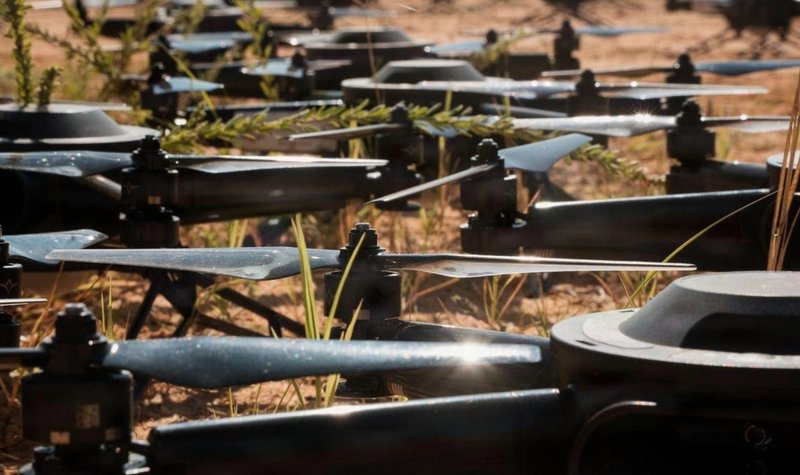
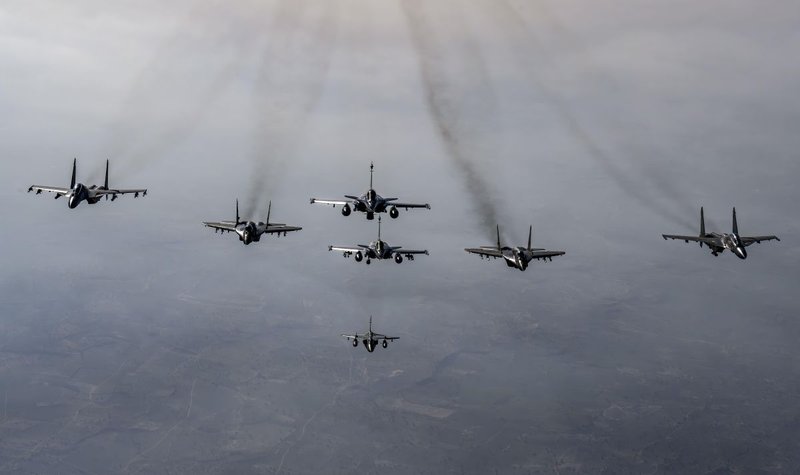
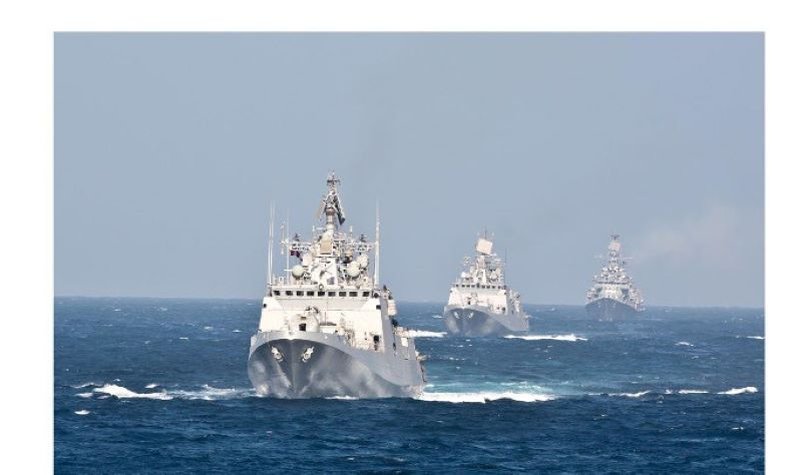
Senior military leaders have highlighted the need for interoperable systems, common data standards and closer cooperation between India's armed services.
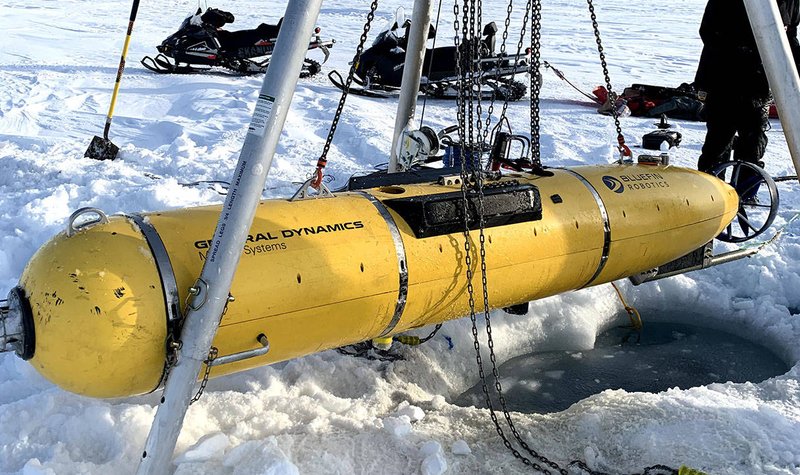
The changing Arctic environment is creating new challenges for submarine detection, driving demand for distributed sensors, uncrewed underwater vehicles and real-time acoustic modelling.
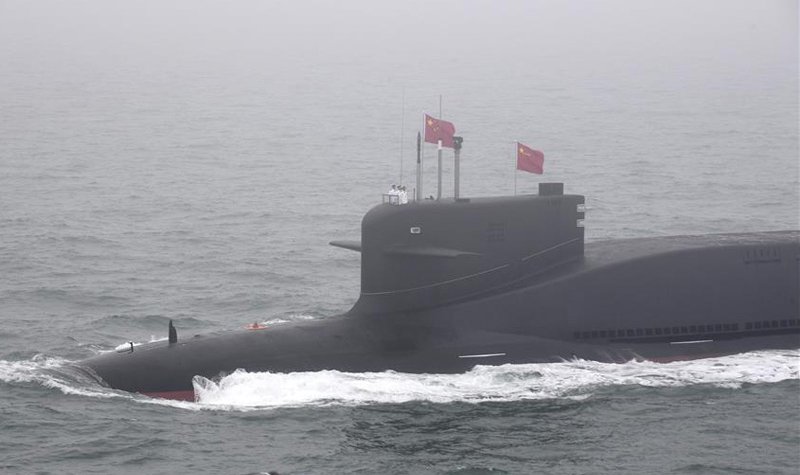
If you enjoy this article sign up.for our Premium News service to continue accessing great defence stories like this. Click Here China is the Asia-Pacific country …
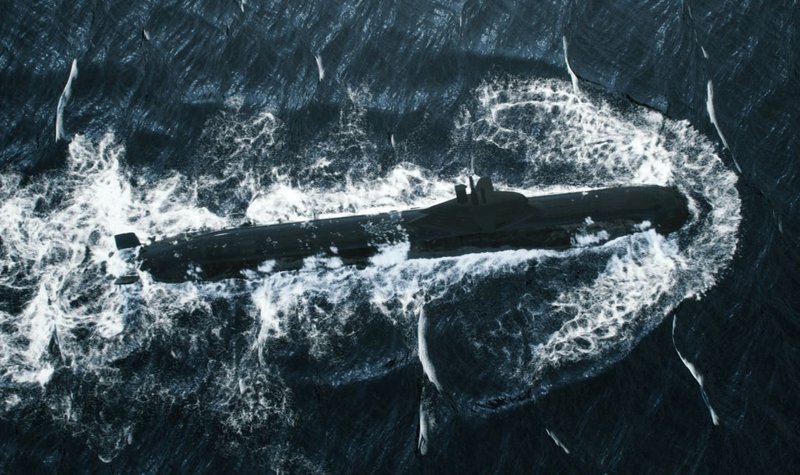
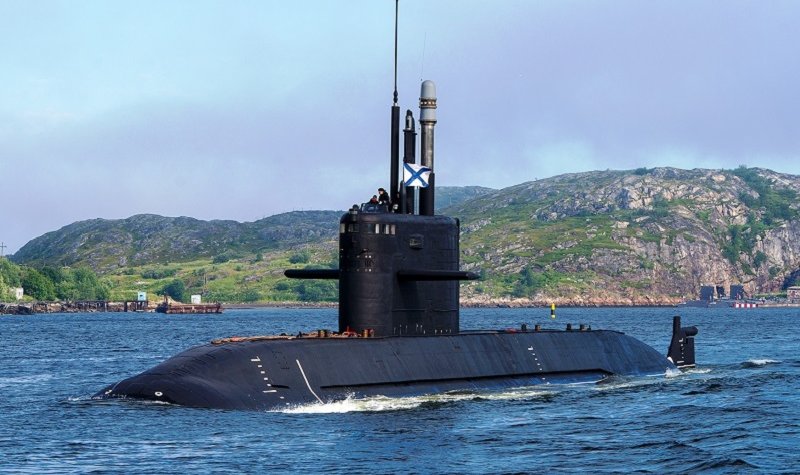
The Russian MoD has placed orders for two Project 885M (Yasen-M-class) nuclear-powered submarines and two Project 677 (Lada-class, pictured) diesel-electric submarines to boost its sub-surface …
Harris and L3 Technologies have completed the all-stock merger of the two companies, now operating as L3Harris Technologies. L3Harris will be headquartered in Melbourne, Florida, …
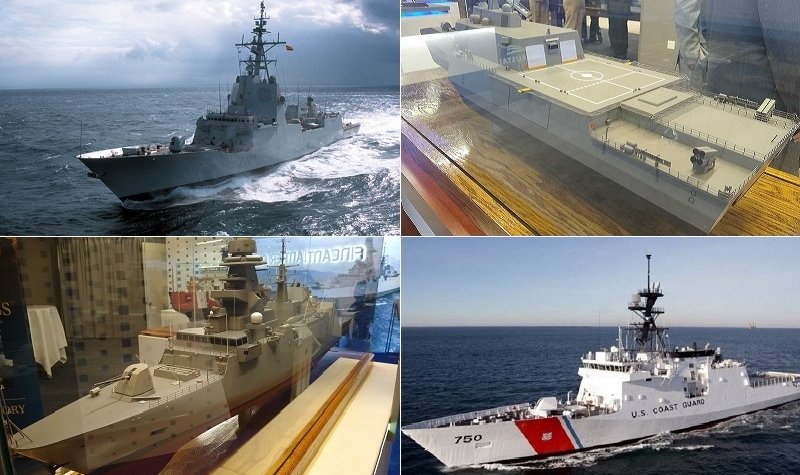
The Italian navy’s first Pattugliatori Polivalenti d'Altura (PPA)-class multipurpose offshore patrol ship - the Paolo Thaon di Revel - has been launched from Fincantieri’s shipyard in Muggiano. …
Welcome to Episode 23 of The Weekly Defence Podcast. Listen on Apple Podcasts, Google Podcasts, Spotify and more. Sign up to an early email alert of future podcasts here.
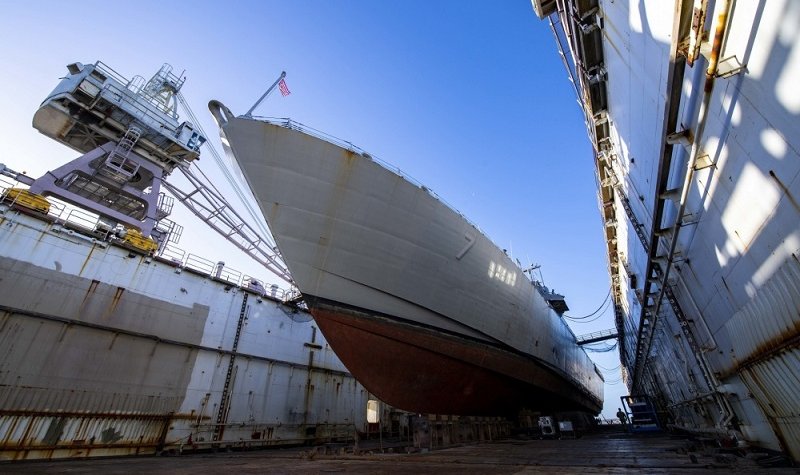
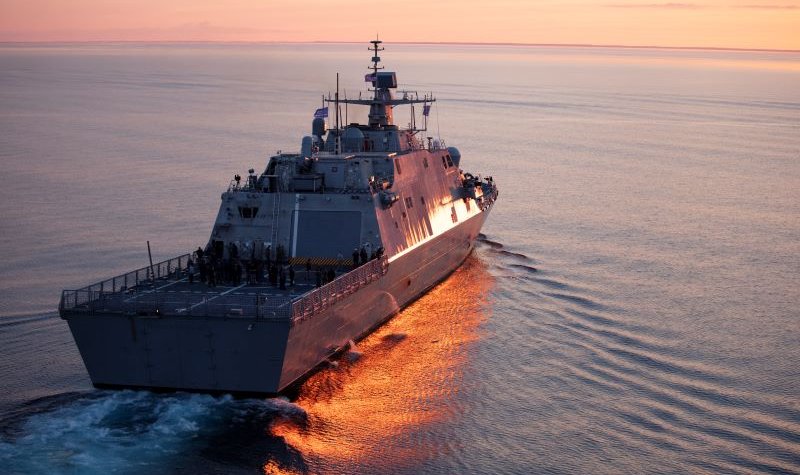
USS Indianapolis, the Littoral Combat Ship (LCS) 17, has completed acceptance trials at Lake Michigan, the final large milestone before it is delivered to the …