Senior military leaders have highlighted the need for interoperable systems, common data standards and closer cooperation between India's armed services.
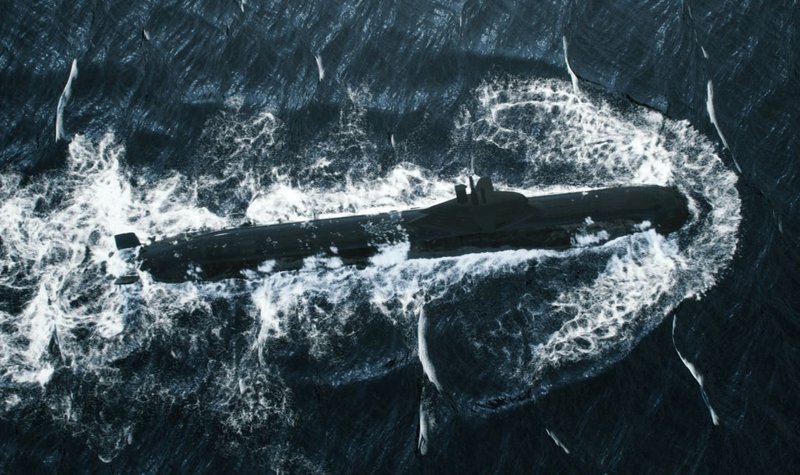
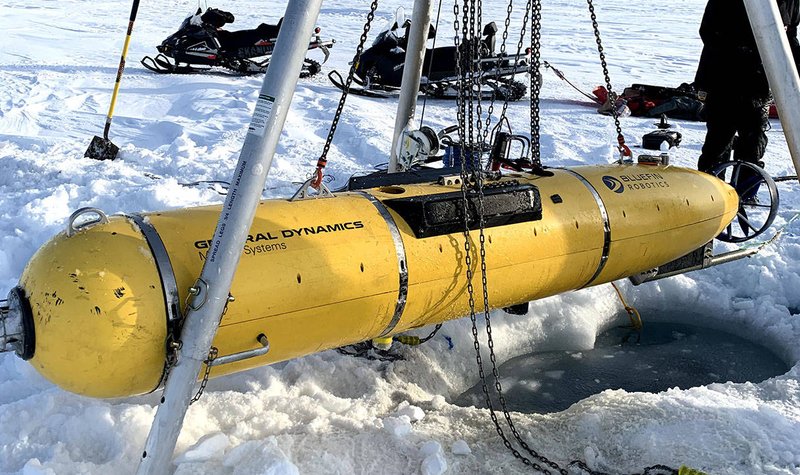
The changing Arctic environment is creating new challenges for submarine detection, driving demand for distributed sensors, uncrewed underwater vehicles and real-time acoustic modelling.
Governments worldwide are scrambling to decouple defence supply chains from dependency upon strategic rivals, but countries could struggle to do it all themselves.
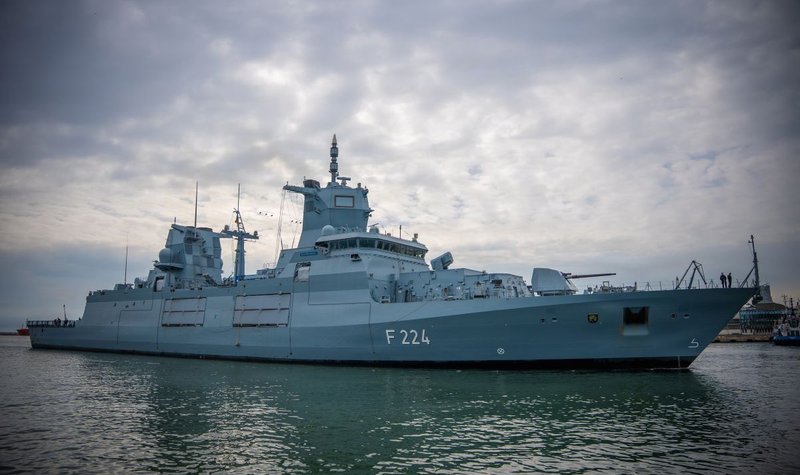
The test-firing of an Israel Aerospace Industries LORA ballistic missile from a German vessel highlights the Bundeswehr’s focus on speed to capability as it trials Israel’s operationally proven technology.
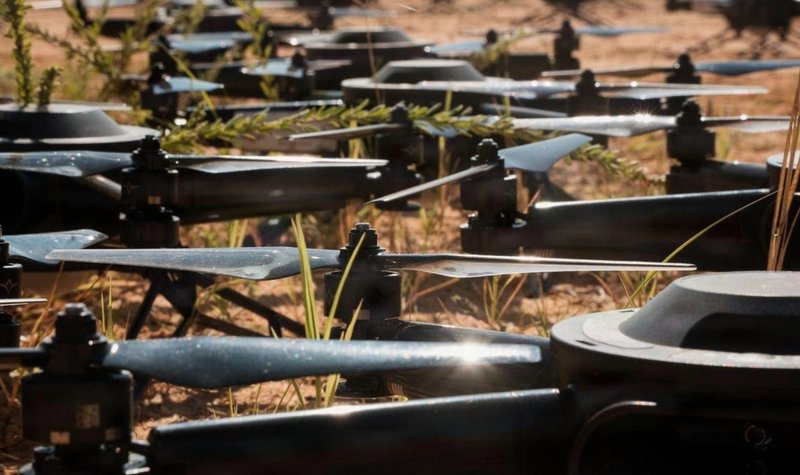
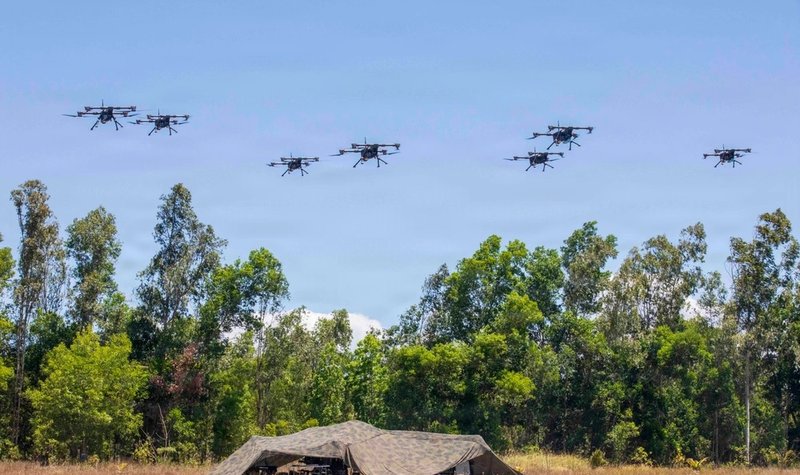
As the US continues to invest heavily in counter-drone systems, demand for low-cost, mobile and autonomous technologies is on the rise, with Edda designed to align with these emerging requirements.
Saab has outlined how it is using artificial intelligence to make training more like electronic gaming, while the UK’s Power Size Technologies is applying the same technology to better evaluate and design vehicle capability, moving AI-enabl...
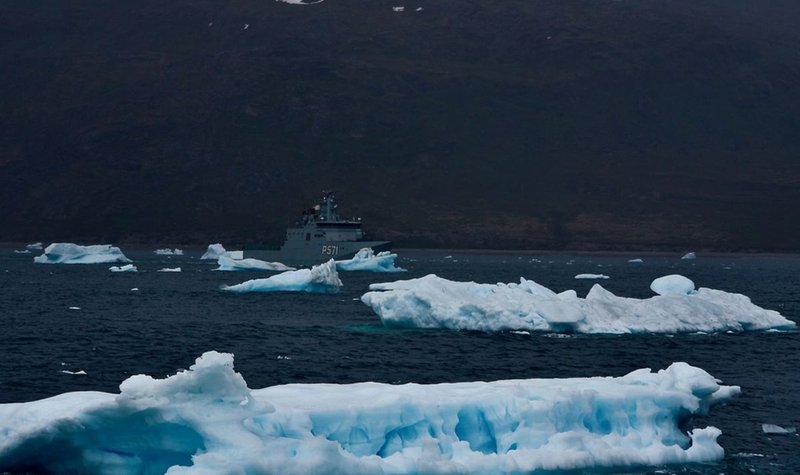
As the High North opens to shipping, navies face rising demand for icebreakers, ASW vessels, uncrewed systems and surveillance assets far beyond the submarine fleet.
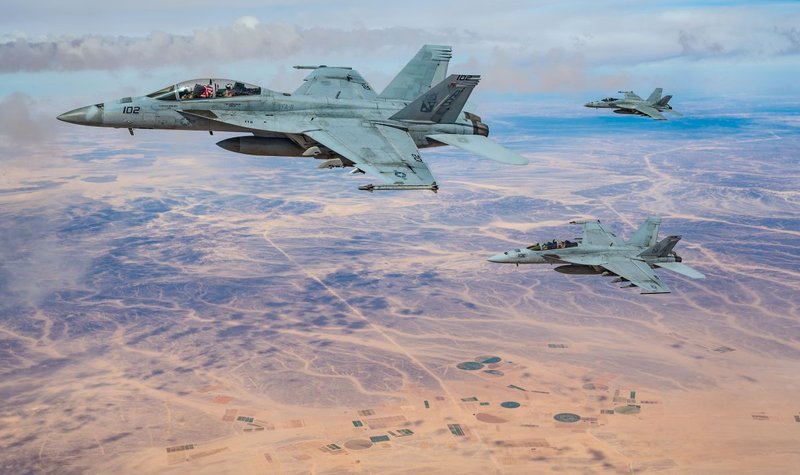
As the Straits of Hormuz continue to witness military action of various types, what does this mean for combat air and air defence planners in the region and beyond?
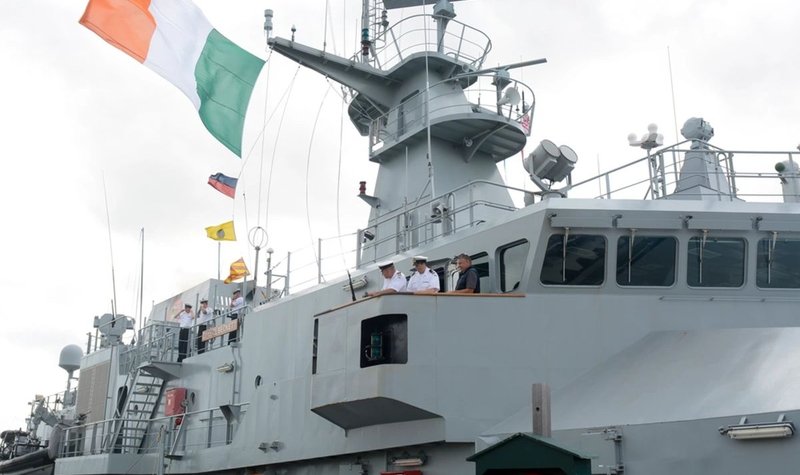
Around 75% of the northern hemisphere’s undersea cables transit Irish waters, but personnel shortfalls and a stalled multirole vessel programme leave patrol capacity in question.
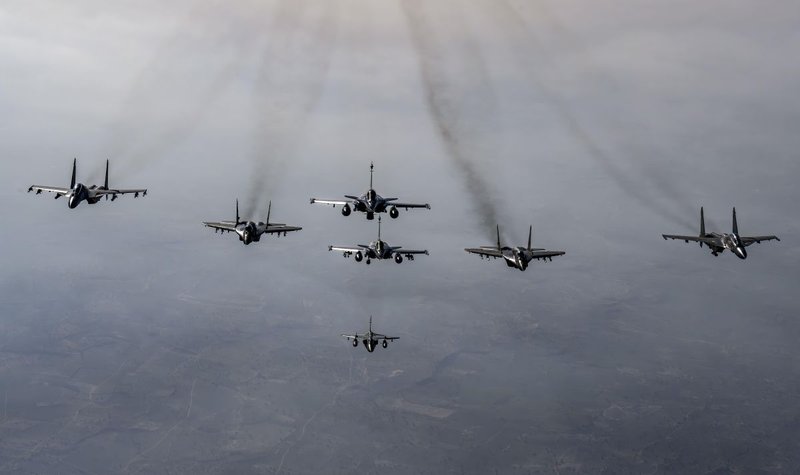
Participation in the French-led programme could provide India with access to sixth-generation technologies but force difficult choices over AMCA, TEDBF and indigenous propulsion development.
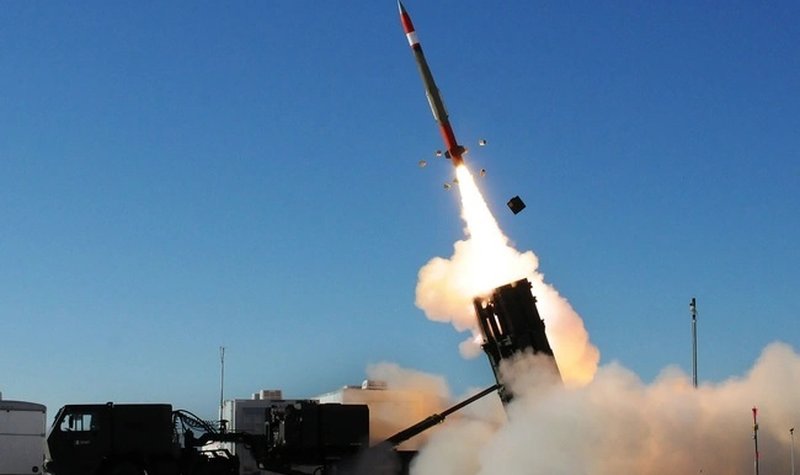
The Pentagon wants to procure 3,203 PAC-3 MSE interceptors in FY2027, but production constraints and international demand could impact efforts to rebuild depleted missile stocks.
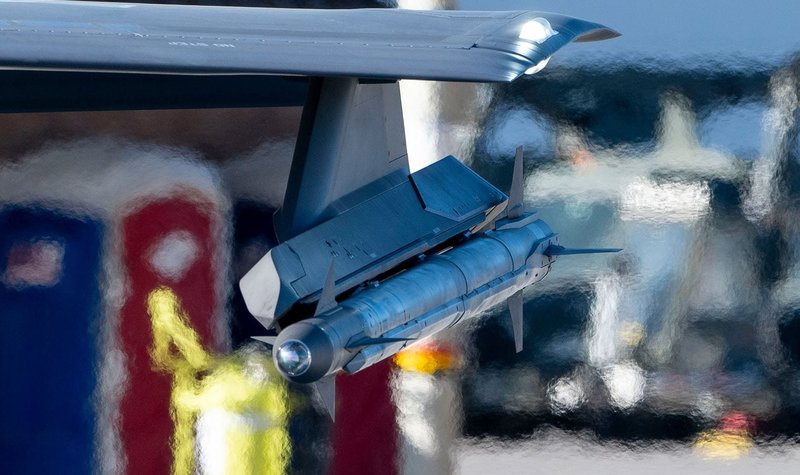
The missile programmes form part of a broader effort to strengthen Canadian air-combat readiness as the RCAF transitions from the CF-188 to the F-35A and rebuilds its operational weapons stocks.