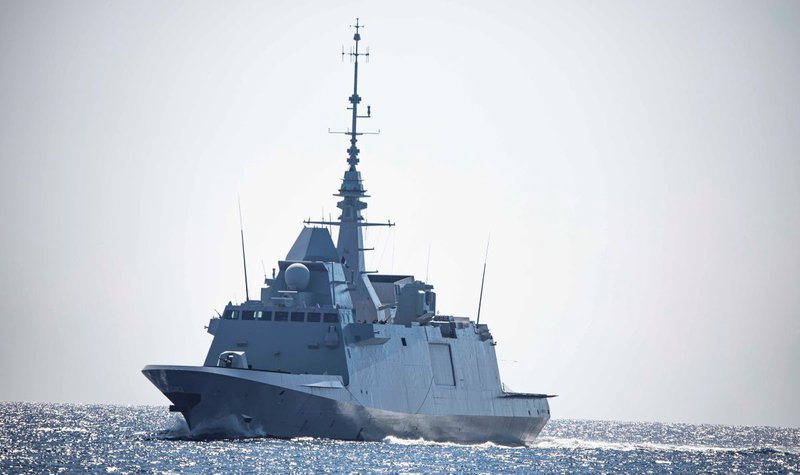
New interceptors and launchers could help navies preserve missile stocks during prolonged escort operations. Yet lower engagement costs will only improve merchant protection if the weapons are available where ships need defending.
Western armies continue to test uncrewed ground vehicles, but wider procurement will depend on turning ambitions for autonomy into defined operational roles and funded requirements.
Attempting to expand on its current position on selected US Air Force Special Operations Command (AFSOC) gunship platforms, Orbital ATK is conducting some internally funded …
The US Air Force Research Laboratory's Advanced Power Technology Office is seeking innovative solutions to enhance energy security and readiness for US Air Force installations …
Insitu will join forces with the University of Alaska Fairbanks (UAF) for the FAA's UAS Integration Pilot Program (IPP), the company announced on 15 May. …
The rapidly expanding ‘Internet of Things’ (IoT) is significantly reinforcing the size and effect of the so-called ‘bot armies’ employed in Distributed Denial of Service …
At last month’s DefExpo 2018 exhibition in Chennai, Tata Aerospace & Defence showed a 4x4 SUV-type solution offering mobile communications for both military and disaster …
Teledyne Gavia has delivered Blueview MB2250 modules and associated PDS software for all Gavia AUVs operated by the Turkish Navy Mine Countermeasures (MCM) command in …
The Austrian Army has concluded winter trials of BAE Systems’ BvS10 ahead of serial production. The first army trials have been completed following the announcement …
Bittium has received an order from the Finnish defence force for the maintenance and further development of its Bittium Tactical Wireless IP Network (TAC WIN) …