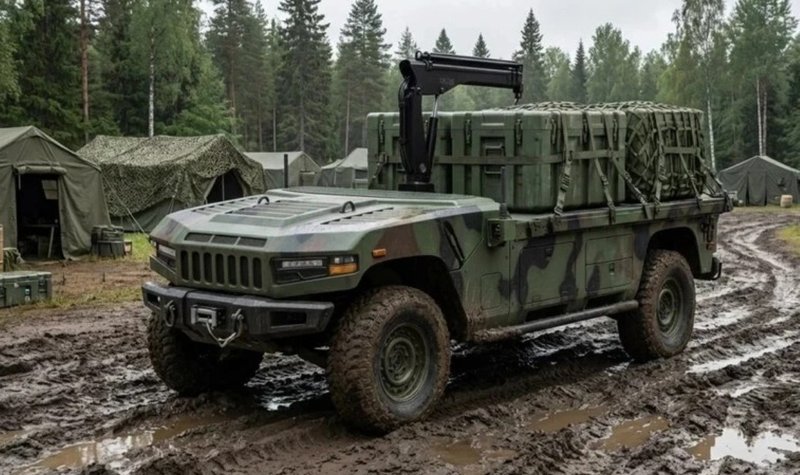
The US is pursuing multiple UGV programmes, from commercial robotic platforms to new autonomy technologies. The combination of these efforts could prove key to turning ambition into operational capability.
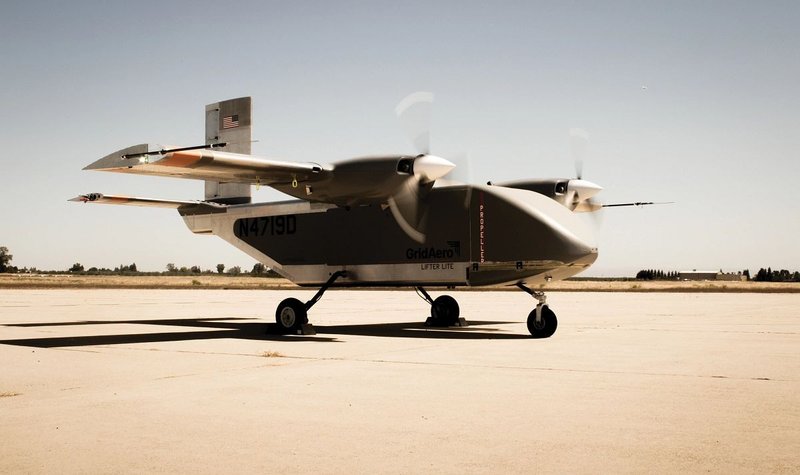
By combining established manufacturing capacity with startup aircraft design, the partnership could offer an alternative approach to scaling military uncrewed aircraft production.
Seaspan has begun construction of the Royal Canadian Navy’s (RCN) future Joint Support Ships (JSS) at its Vancouver shipyard, the Canadian Department of National Defence …
The Australian Department of Defence has commenced a consultation process with industry for its latent Land 400 Phase 3 requirement, which will see the army’s …
Indra has developed a lightweight, portable electronic defence manpack system to equip soldiers with advanced radar-band analysis capabilities, the company announced on 14 June. The …
Two Israeli companies, Carmor Integrated Vehicle Solutions and Plasan, highlighted their new high mobility armoured vehicle concepts at Eurosatory 2018. Carmor unveiled the initial prototype of …
DroneShield announced that it has received an order to deliver 70 DroneGun tactical jammer systems to the ministry of defence (MoD) of an unnamed Middle …
Adacel Systems has completed installation and site acceptance testing for an air traffic control (ATC) simulation system and intelligent communications environment (ICE) training system in …
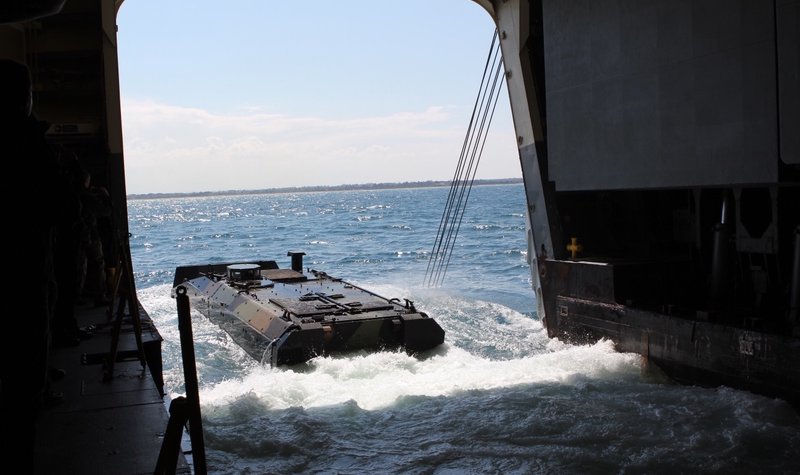
BAE Systems secured a US Marine Corps contract to produce the new fleet of Amphibious Combat Vehicles (ACV 1.1). The award announcement, made 19 June, …
Bohemia Interactive Simulations (BISim) has released updated versions of its VBS3, VBS Control Behavior Pack 1 and VBS Simulation SDK, the company announced on 13 …