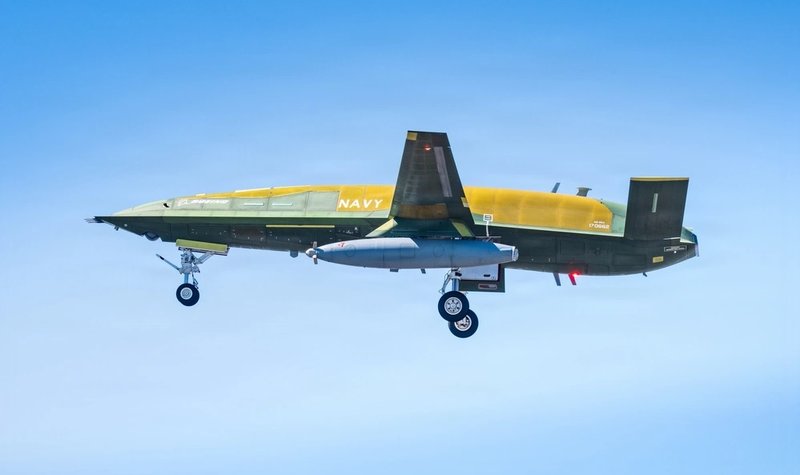
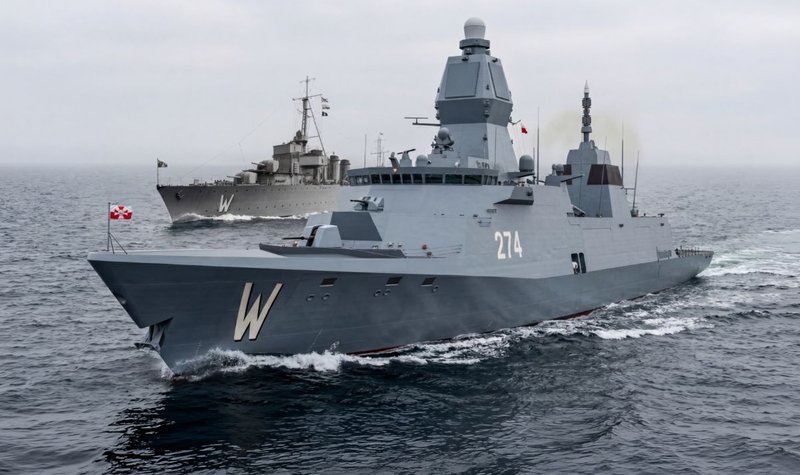
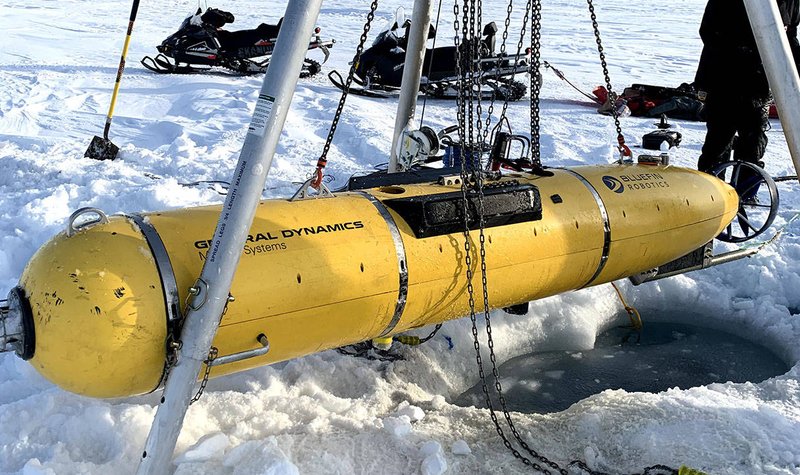
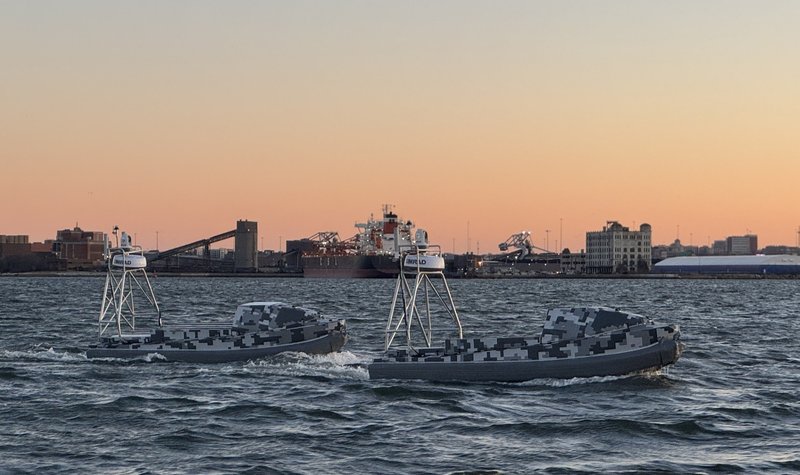
A wave of acquisitions is bringing specialist autonomy and underwater technology under the umbrella of larger defence contractors. As a result, navies may gain faster access to capability, but not necessarily a broader choice of suppliers.
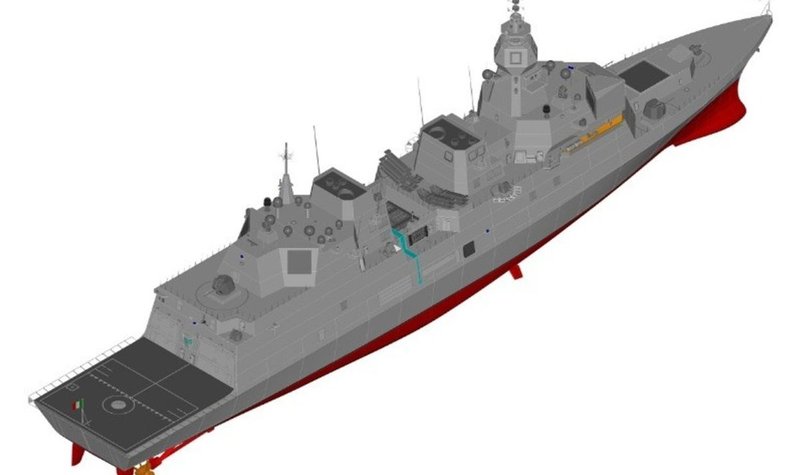
A €3.7 billion destroyer contract for Fincantieri and Leonardo is only the start, with submarines, corvettes and a new carrier pointing to more opportunities.
At DSEI 2025, James Gray, Managing Director and CEO of Raytheon UK (part of RTX), outlines the company’s century-long presence in the UK and its evolving role across defence, aerospace, cyber, and tra...
Controp representatives outline how artificial intelligence is being integrated with electro-optical payloads to improve decision-making and operational efficiency across land, air, and maritime domai...
At DSEI 2025, Red Cat outlines its expansion from UAVs into uncrewed surface vessels (USVs), positioning itself as a multi-domain defence provider spanning land, sea, and air.
Intelsat outlines how its multi-orbit SATCOM architecture is enhancing connectivity and resilience for special operations forces operating in degraded and contested environments.
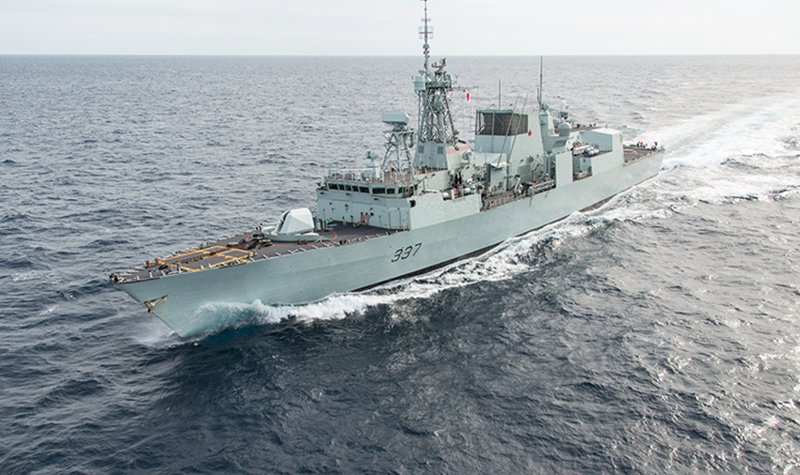
Thales Canada is to continue support for the Smart-S Mk 2 naval air and surface surveillance radar installed on Royal Canadian Navy Halifax-class frigates. Work on the …
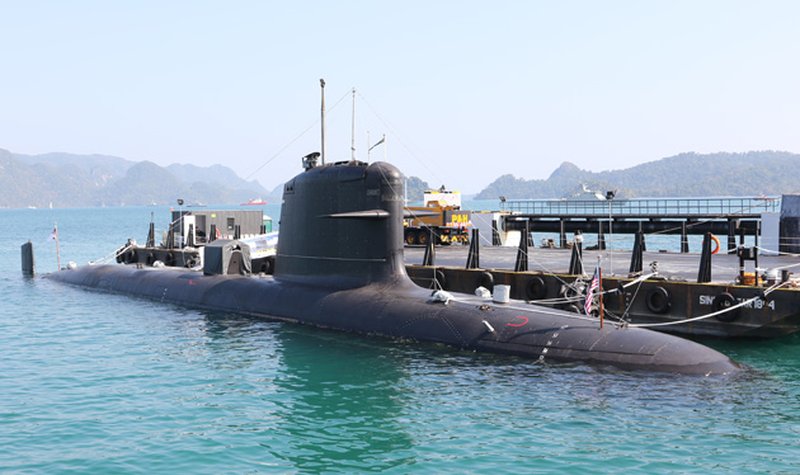
The after-effects of COVID-19 could raise questions over the long-term sustainability of Malaysian maritime forces; even before the pandemic began, the government was struggling to recapitalise ageing assets and introduce more modern capabi...
The French Navy envisages the FDI class as a means of helping it to reach its target of 15 frigates by 2030; the timeline remains steady despite COVID-19 and any delays will be made up ahead of completion.
The hypersonic missile travelled at Mach 8 to strike a naval surface target at 450km range, but is Russia following a realistic timetable to bring it into service?