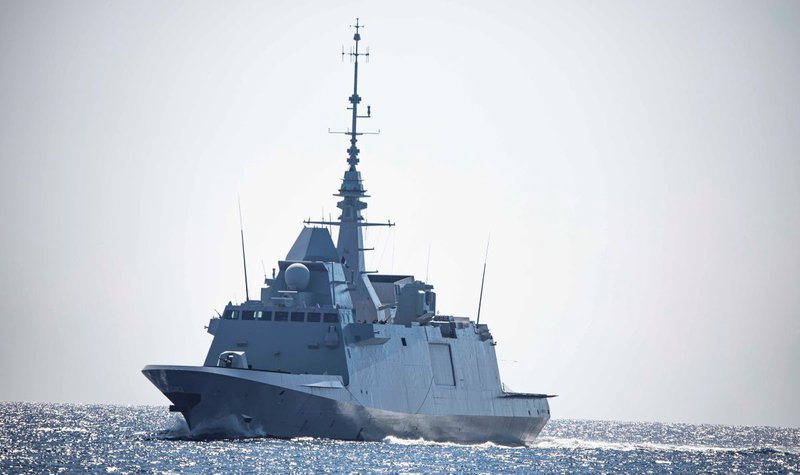
New interceptors and launchers could help navies preserve missile stocks during prolonged escort operations. Yet lower engagement costs will only improve merchant protection if the weapons are available where ships need defending.
Western armies continue to test uncrewed ground vehicles, but wider procurement will depend on turning ambitions for autonomy into defined operational roles and funded requirements.
As Shephard prepares for this year's AUSA exhibition in Washington DC, Land Warfare International editor Grant Turnbull sits down with Beth Maundrill to discuss the …
Mantaro Networks and Beeper Communications Israel have received funding to support the development of unmanned search and rescue systems (USRS). The project aims to fill …
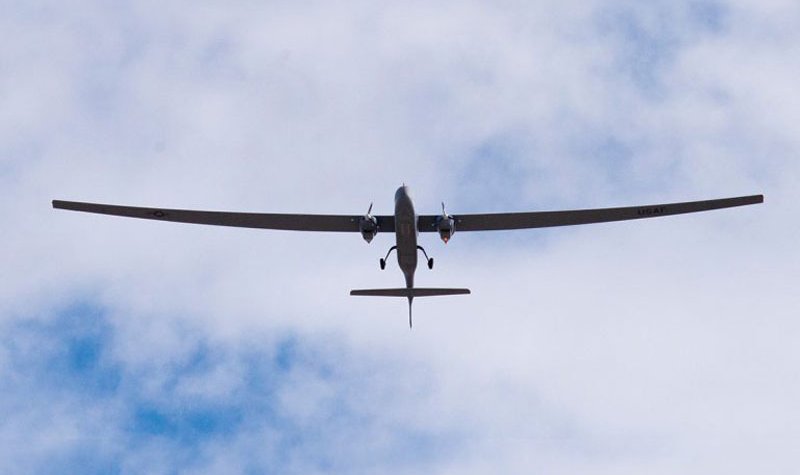
The recent acquisition of Aurora Flight Sciences by Boeing is likely to result in the expansion of the company's military projects. Aurora, a developer and …
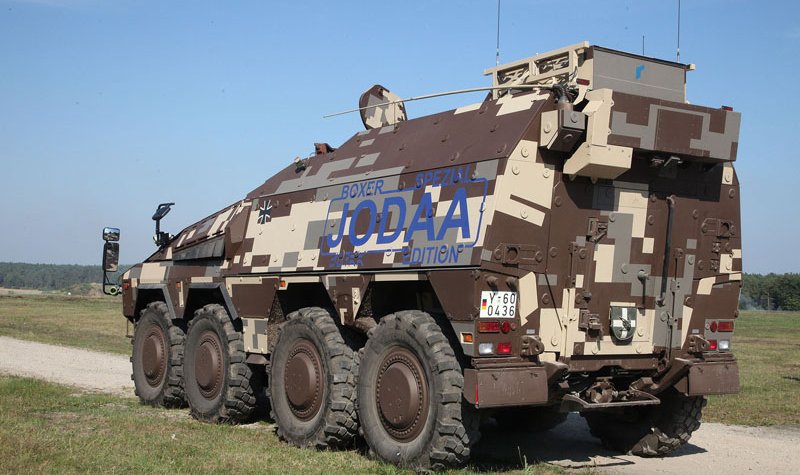
Rheinmetall has entered into a global cooperation agreement with Paravan to advance autonomous driving technologies. The companies will work to develop semi- and fully autonomous …
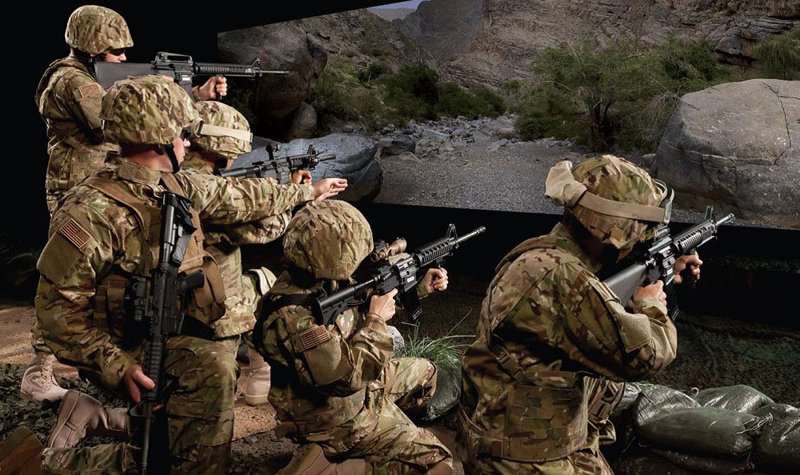
With Meggitt Training Systems delivery of the Engagement Skills Trainer (EST) II to the US Army continuing apace, attention now turns towards the export market. …
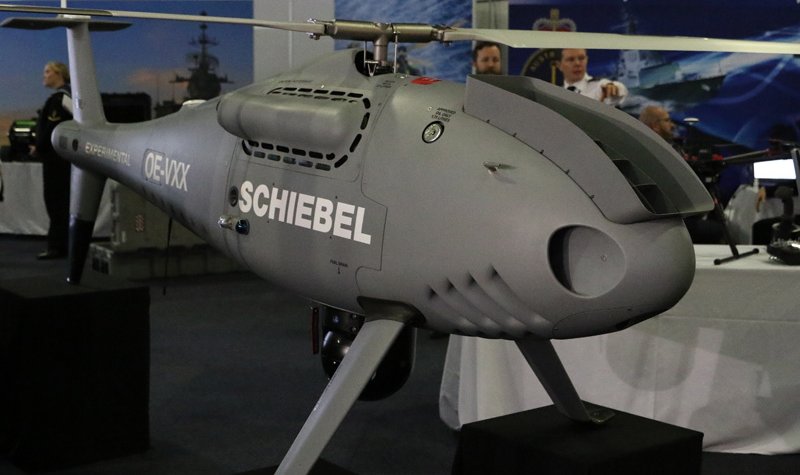
Australia is shaping up as a battleground for suppliers of rotary-winged UAVs as the country’s military eyes future acquisitions. Two top contenders are Schiebel and …
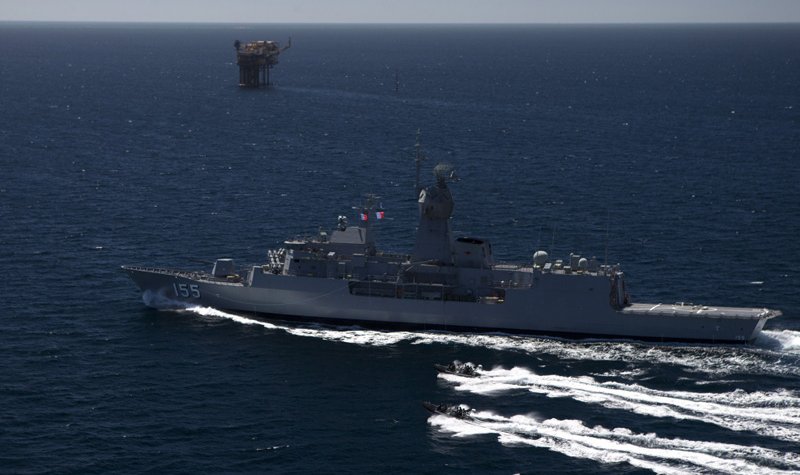
CEA Technologies has been awarded a contract worth AUD$148 million to provide a new air search radar, known as the CEAFAR2-L, for the Royal Australian …
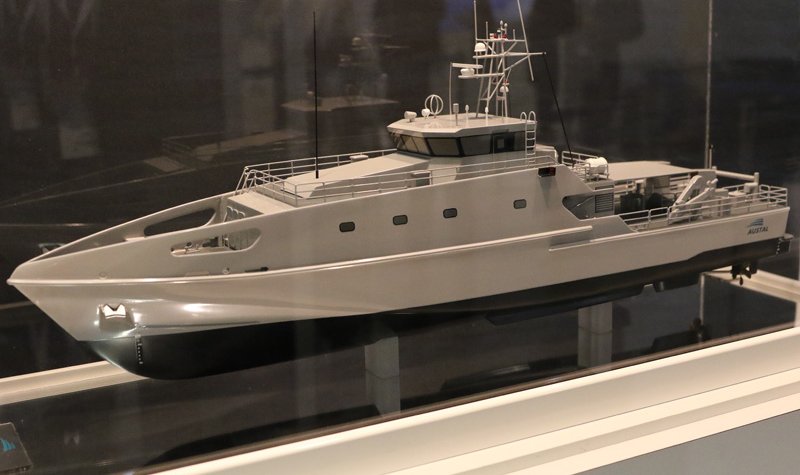
Good progress is being made on the Pacific Patrol Boat Replacement (PPR-B) programme, with the first vessel slated for Papua New Guinea on schedule for …
The Royal Australian Navy (RAN) received its 24th and final Sikorsky MH-60R last September, and the navy has so far operationally deployed five flights at …
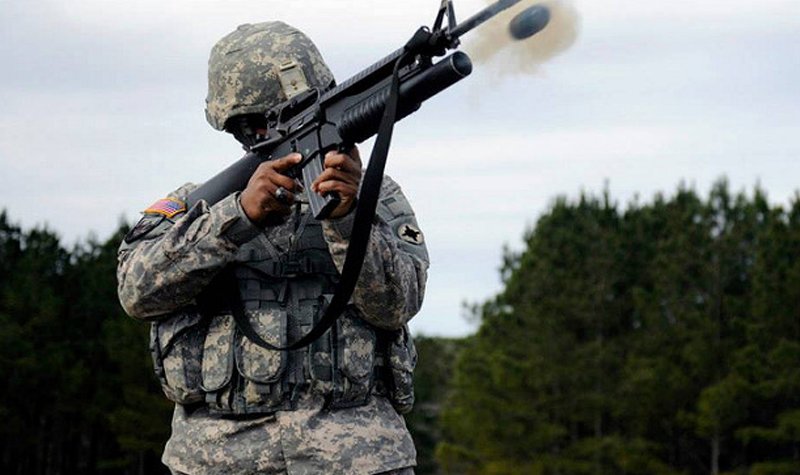
General Dynamics Ordnance and Tactical Systems (GD-OTS) has received a $17 million contract from the US Army for production of the 40mm M781E1 Low Velocity …