New interceptors and launchers could help navies preserve missile stocks during prolonged escort operations. Yet lower engagement costs will only improve merchant protection if the weapons are available where ships need defending.
Western armies continue to test uncrewed ground vehicles, but wider procurement will depend on turning ambitions for autonomy into defined operational roles and funded requirements.
Calian Group has received a contract renewal worth up to $20 million to support the Royal Canadian Air Force's (RCAF) Airworthiness Program through to 2019, …
Saab has received an order worth $28 million from Taurus Systems to deliver components and hardware for the Taurus KEPD 350 stand-off missile system, the …
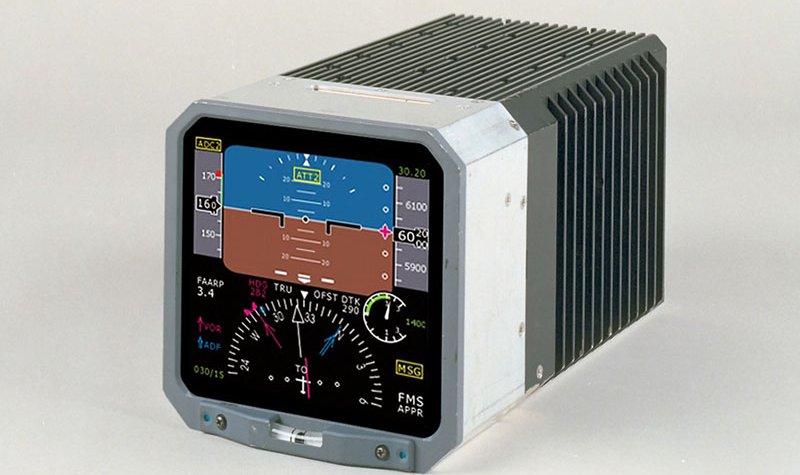
Rockwell Collins has signed a contract with the Brazilian Army Aviation Command to service avionics equipment installed on its fleet of Fennec and Panther helicopters, …
Thales is doubling down on efforts to potentially supply the Royal Navy with its Tacticos combat management system (CMS) for the next-generation Type 31e programme, …
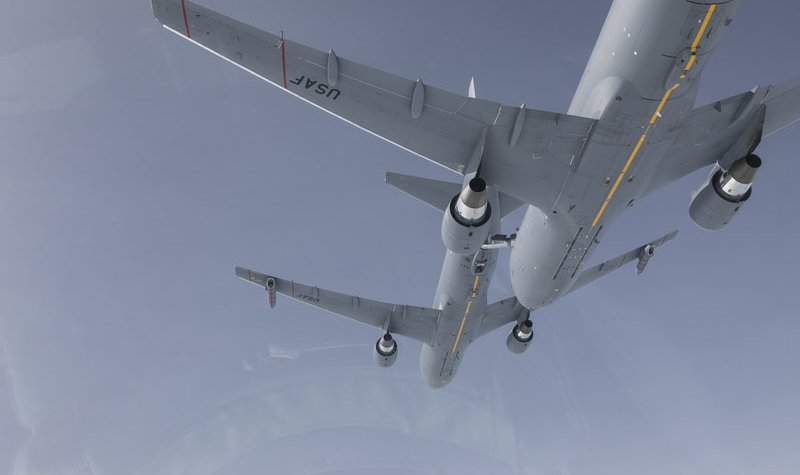
Boeing’s KC-46 tanker programme has completed its required Supplemental Type Certificate (STC) fuel on-load testing, the company announced on 4 April. The certification was achieved …
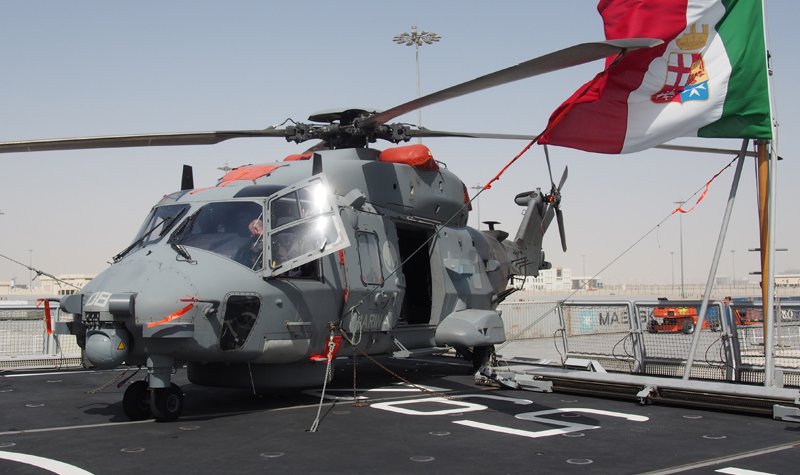
An Italian Navy helicopter crashed in the Mediterranean during a night-time training exercise, killing one, the navy said on 6 April. Andrea Fazio, an experienced …
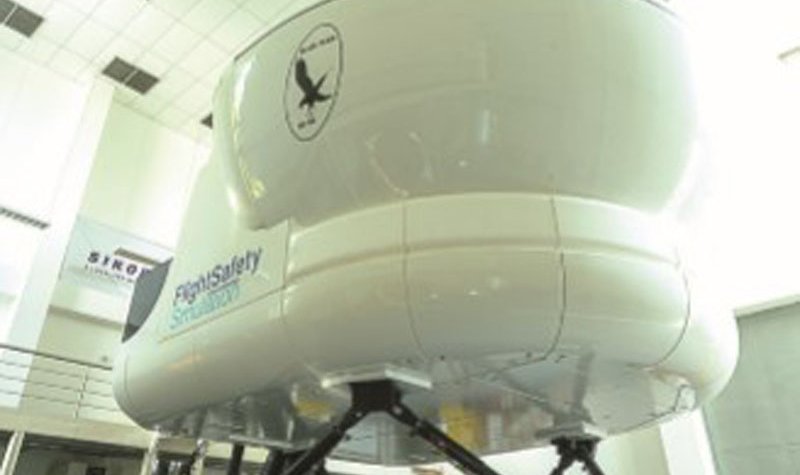
Sikorsky is offering its Colombia-based depot-level maintenance and simulator flight training facilities for use by other Black Hawk helicopter operators in Latin America, Lockheed Martin …
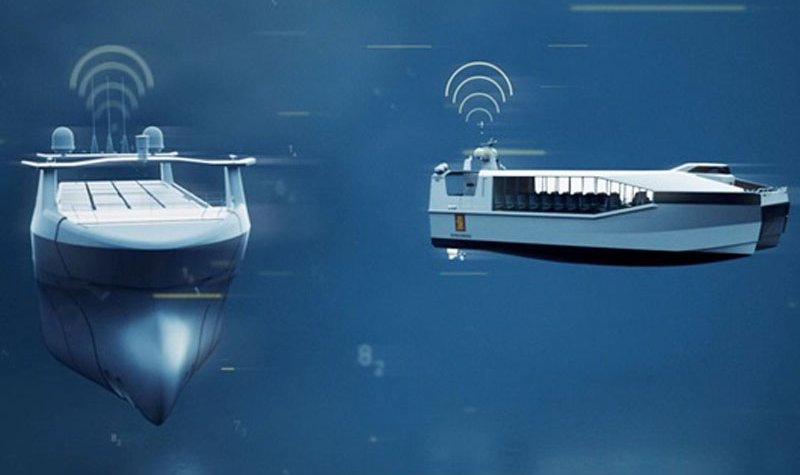
Kongsberg and Wilhelmsen have partnered to establish an autonomous shipping company, Kongsberg announced on 3 April. The new joint venture company, Massterly, will be based …
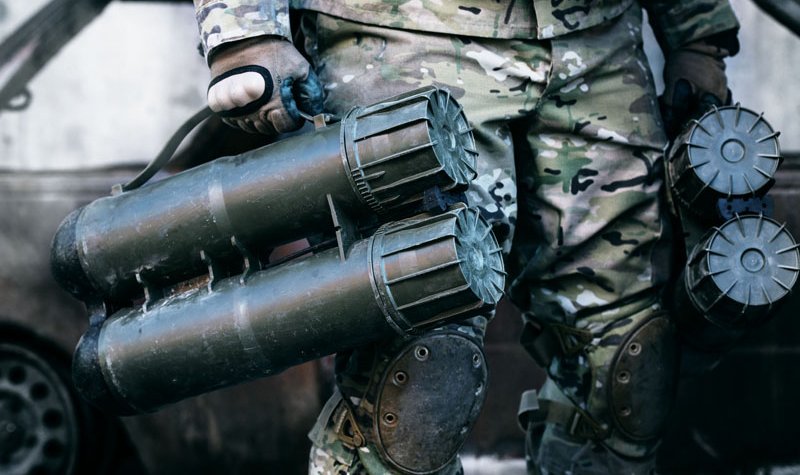
Saab has signed a framework agreement with the Swedish Defence Materiel Administration (FMV) for the provision of ammunition for the Carl-Gustaf man-portable weapon system, the …