New interceptors and launchers could help navies preserve missile stocks during prolonged escort operations. Yet lower engagement costs will only improve merchant protection if the weapons are available where ships need defending.
Western armies continue to test uncrewed ground vehicles, but wider procurement will depend on turning ambitions for autonomy into defined operational roles and funded requirements.
Teledyne Marine and Research Products Development Company (RPDC) have signed an agreement to collaborate on the commercialisation of new technologies developed within Saudi Arabia for …
China’s military and intelligence services have significantly ramped up efforts to undermine the self-ruled island of Taiwan. These strategies have much to teach regional neighbours …
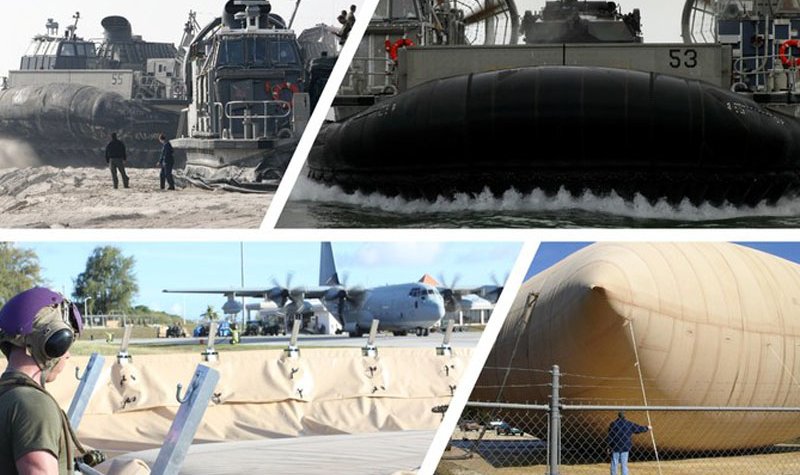
Pinewell Capital has completed the acquisition of Avon Engineered Fabrications (AEF), the company announced on 1 May. AEF manufactures military-grade performance inflatable products for various …
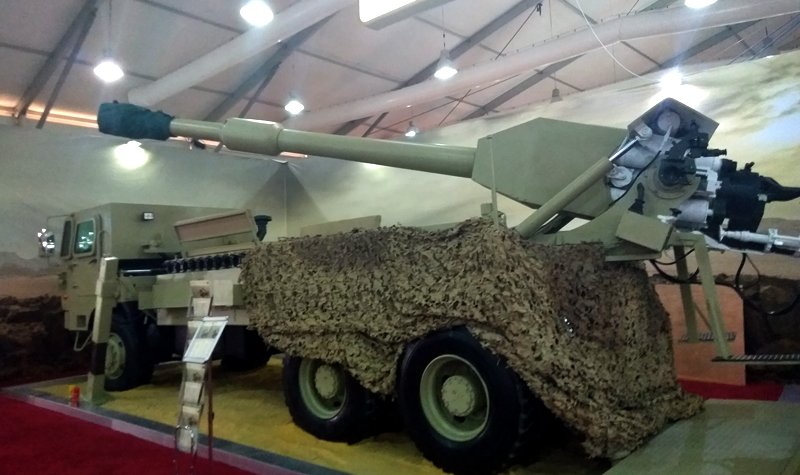
In an effort to fulfil ‘shoot-and-scoot’ artillery requirements for the Jordanian Armed forces the King Abdullah II Design and Development Burea (KADDB) is showcasing its …
Arotech's Epsilor-Electric Fuel has been selected by the Canadian Department of National Defense to develop and provide a charger to meet the operational and technical …
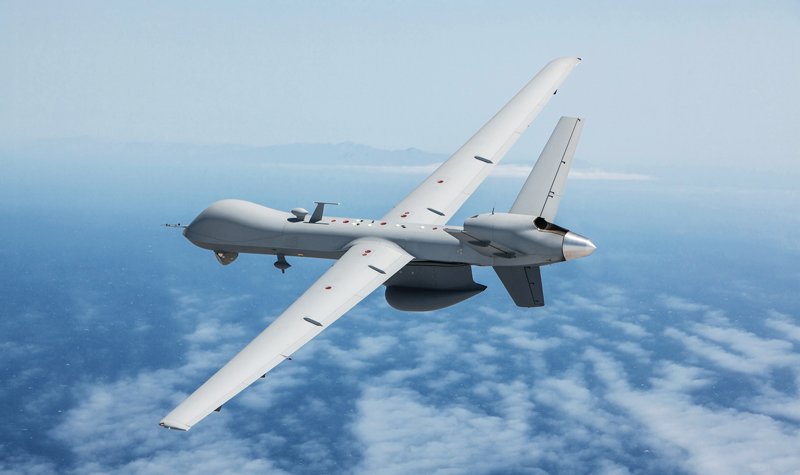
As the Trump administration looks to looks to open up the export restrictions concerning unmanned technologies, one company that could see gains, especially in the …
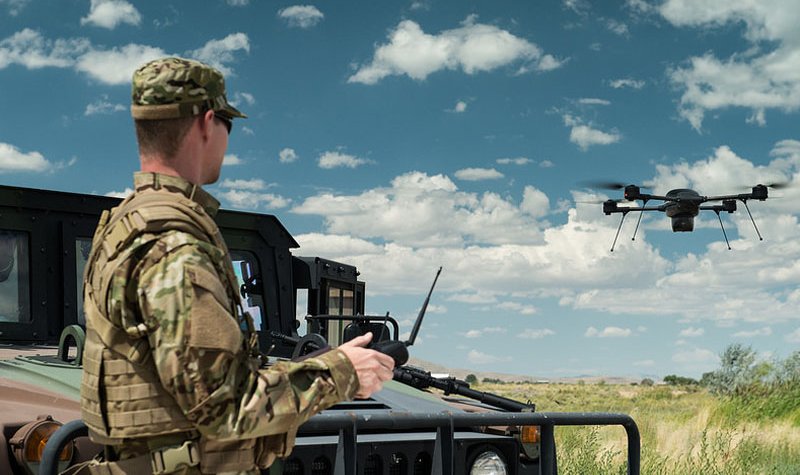
Lockheed Martin has upgraded its Indago 3 small quadrotor UAS with high resolution infrared (IR) sensors capable of performing day or night operations, the company …
Kratos Defense and Security Solutions has expanded its military training and simulation facility in Orlando, the company announced on 2 May. The new facility adds …
Discussions to host the future headquarters of the EU’s Operation Atalanta counter-piracy mission off the Horn of Africa will likely take place next week in …