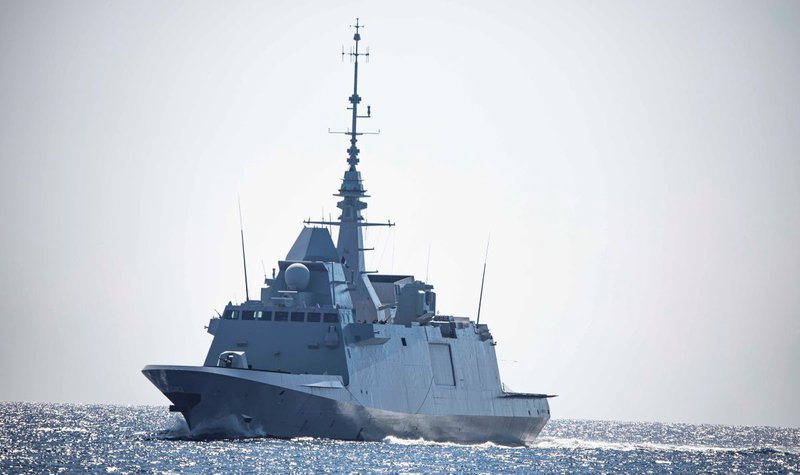
New interceptors and launchers could help navies preserve missile stocks during prolonged escort operations. Yet lower engagement costs will only improve merchant protection if the weapons are available where ships need defending.
Western armies continue to test uncrewed ground vehicles, but wider procurement will depend on turning ambitions for autonomy into defined operational roles and funded requirements.
Roman Köhne, CEO of Rheinmetall's Weapon and Ammunition Division, discusses the company's announcements at Eurosatory 2026, including developments in defence technology, precision systems, industrial ...
At Eurosatory 2026, Pearson Engineering's Group CEO Ian Bell talked about the company's role in delivering specialist armoured engineering, route-clearance and demining capabilities to military custom...
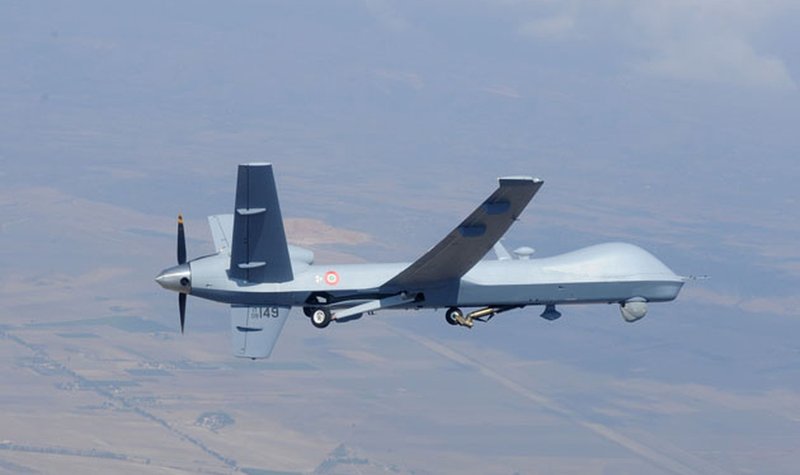
General Atomics Aeronautical Systems (GA-ASI) has announced that its MQ-9 Predator B UAS has demonstrated the remote detection and tracking of submerged contacts, such as …
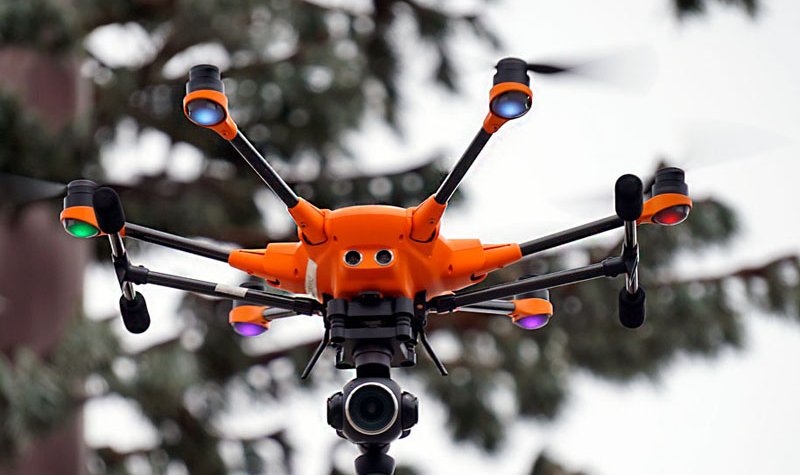
The questions of how the rapidly growing UAV market should be regulated and who is responsible for the enforcement of such regulations remain primary issues …
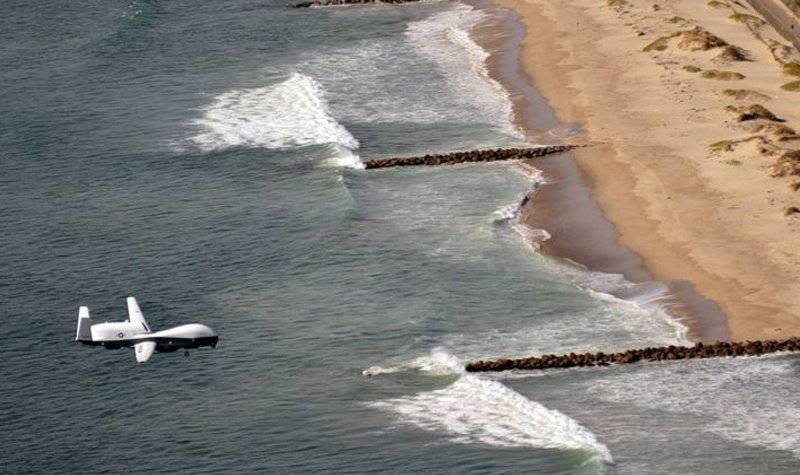
Northrop Grumman has delivered the first operational MQ-4C Triton UAS to the US Navy facility at Point Mugu, the company announced on 10 November. The …
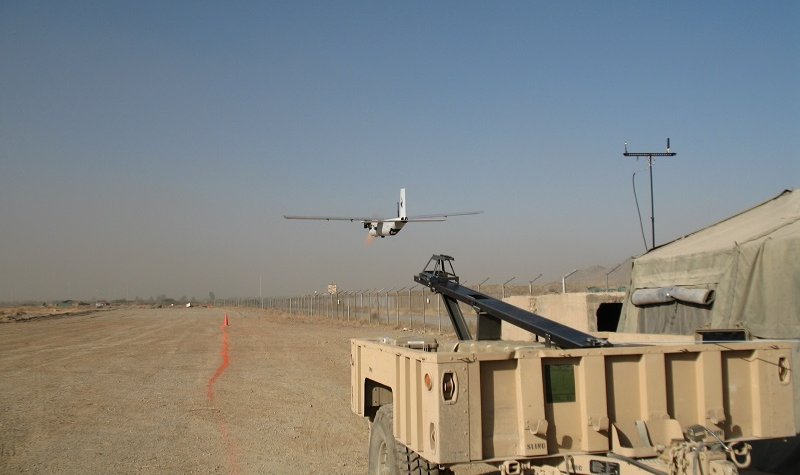
The Silver Fox battlefield UAV is being positioned for sale into overseas markets by manufacturer Raytheon as it looks to leverage the experience gained during …
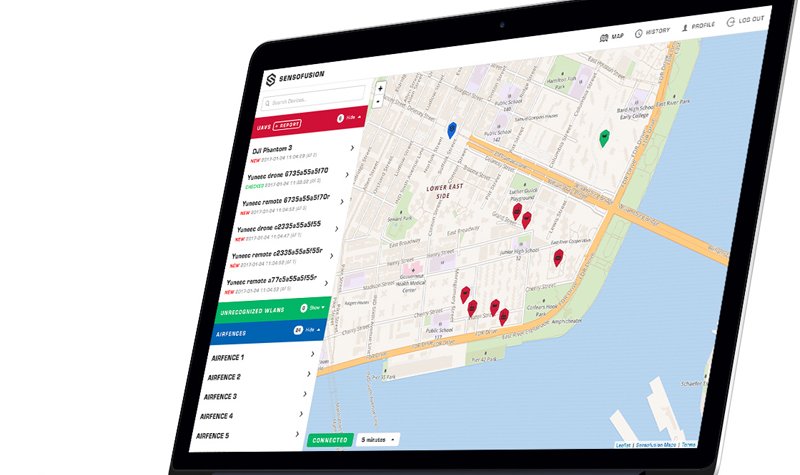
Sensofusion has released AIRFENCE 5.0, an advanced counter-UAS radio frequency (RF) technology. The system is designed to protect militaries, airports, prisons and private companies from …
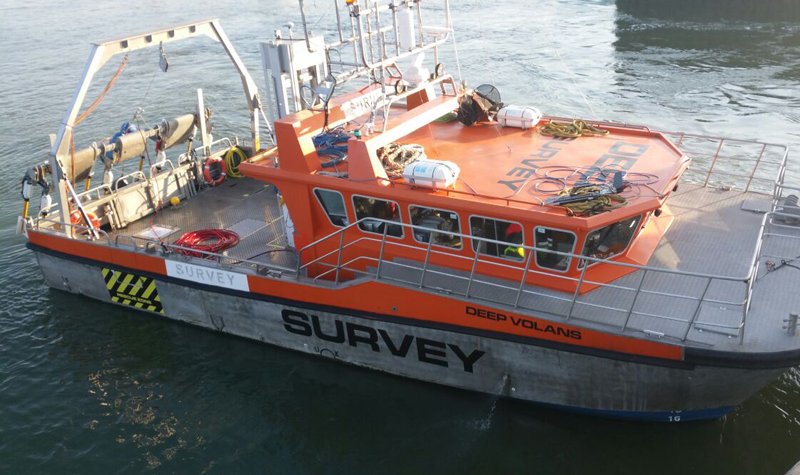
Sonardyne International has delivered two Mini-Ranger 2 Ultra-Short BaseLine (USBL) tracking systems and WSM 6+ mini transponders to Deep BV to support its inshore, harbour, …
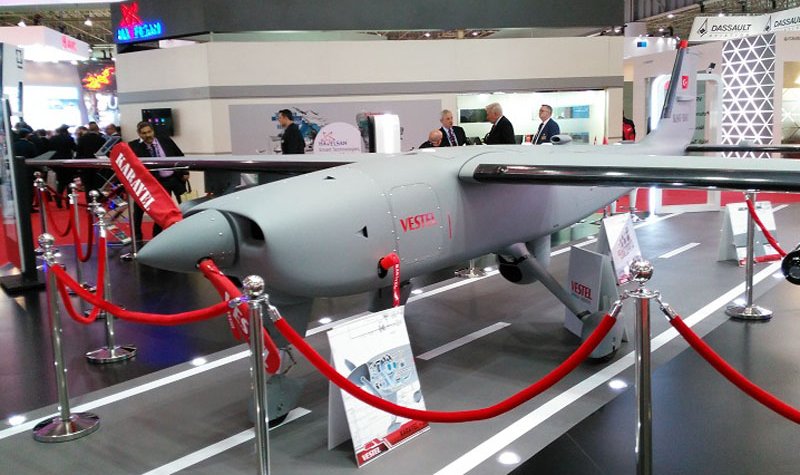
Turkish company Vestel Defence has ventured to display its Karayel-SU for the first time at an overseas exhibition, one of a number of international manufacturers …