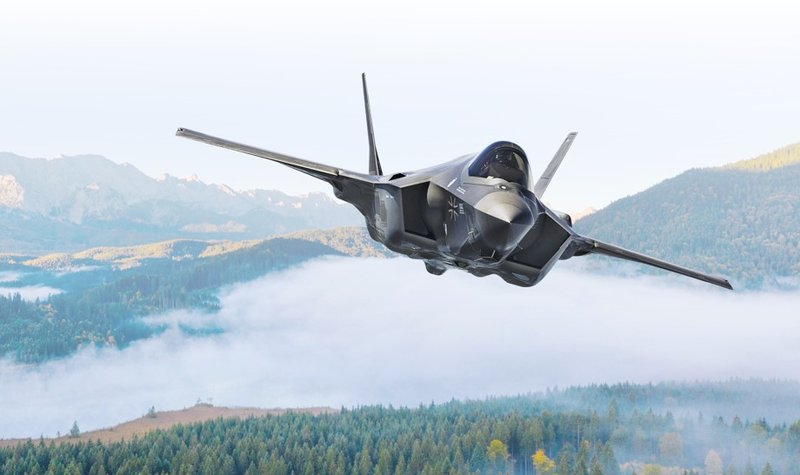
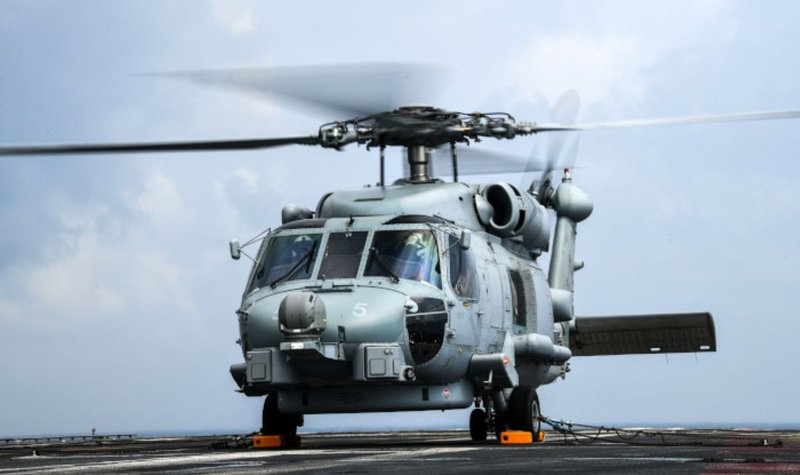
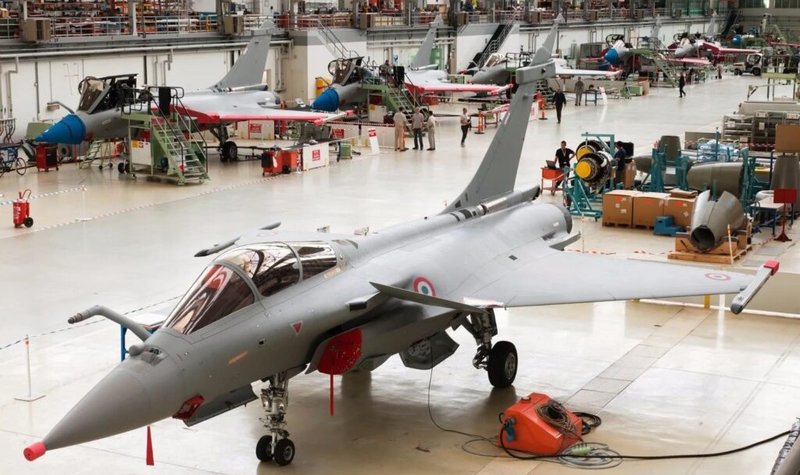
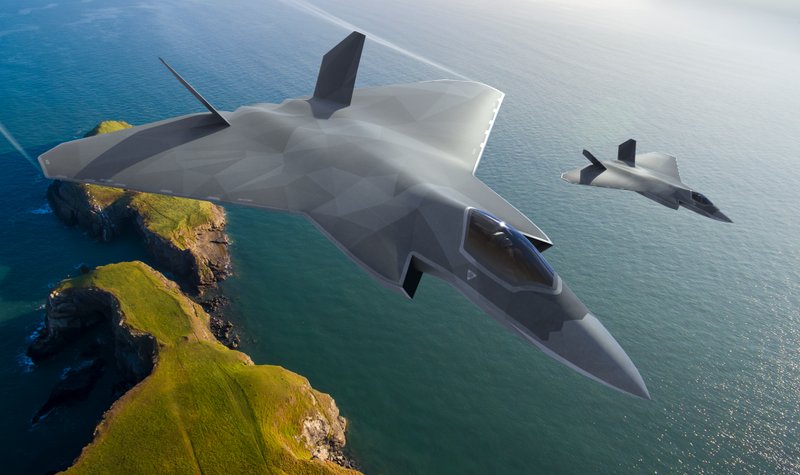
Selection of fighter aircraft by national governments has always been political. As markets and allegiances shift against a background of global realignment, who will be the winners and losers as new entrants compete with established suppliers?
A potential interest in joining GCAP is indicative of Singapore’s long-term and methodical approach to defence procurement and could benefit its local defence industry.
At DSEI 2025, James Gray, Managing Director and CEO of Raytheon UK (part of RTX), outlines the company’s century-long presence in the UK and its evolving role across defence, aerospace, cyber, and tra...
At SOF Week 2025 in Tampa, Florida, Stu Bradin, President and CEO of the Global SOF Foundation (GSOF), underscored the increasing operational demands placed on special operations forces (SOF) as globa...
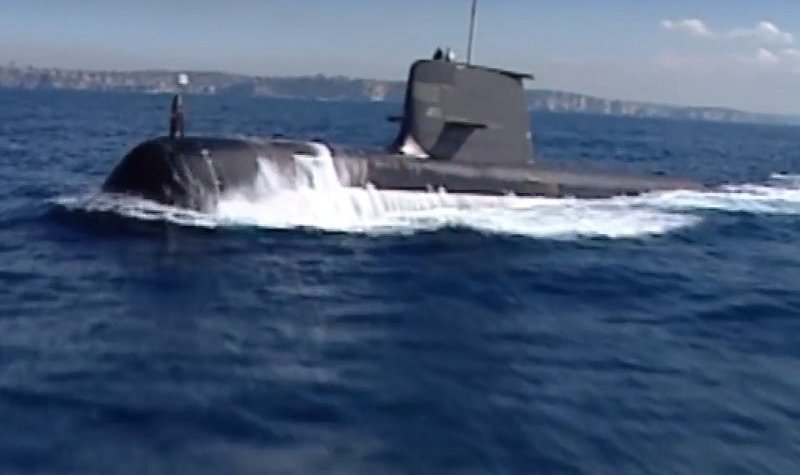
Thales will support efforts by Australia to upgrade systems and capabilities of the Collins class submarines as part of an overall A$542 million ($400 million) …
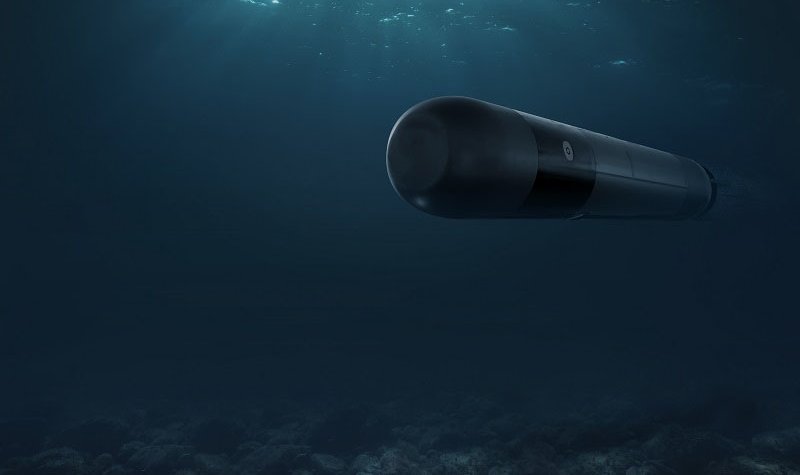
Among Saab’s displays at the forthcoming Undersea Defence Technology conference and exhibition will be a full size model of its new lightweight torpedo (SLWT), with …
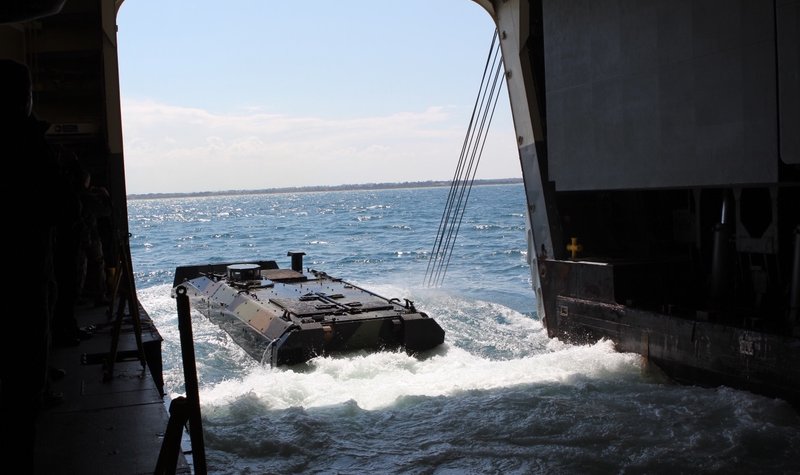
BAE Systems secured a US Marine Corps contract to produce the new fleet of Amphibious Combat Vehicles (ACV 1.1). The award announcement, made 19 June, …
New Zealand is expected to focus its defence policy towards the Pacific and reassess its defence procurement plans under new proposals from Defence Minister Ron …
A report by the Canadian Security Intelligence Service (CSIS) has raised ire in New Zealand over allegations that Wellington is under Beijing’s thumb. The report, …
US Defense Secretary Jim Mattis assailed Russian President Vladimir Putin on 15 June, accusing him of attacking western democracy and trying to break up NATO. …
Aerojet Rocketdyne has received a $2.6 million Phase I contract from the Office of Naval Research to develop a prototype torpedo propulsion system under its …
United States Special Operations Command (USSOCOM) has outlined an upcoming technical experimentation (TE) activity focused on SOF maritime surface systems. The research and development opportunity …