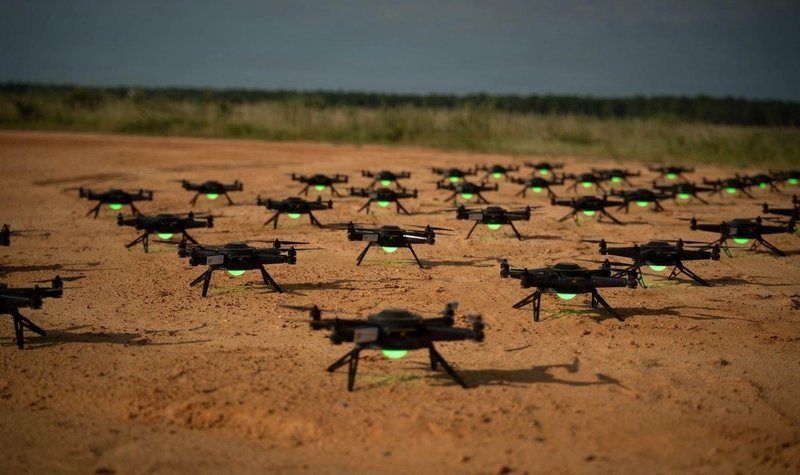
US Air Force, Army, Marine Corps and Special Operations Command initiatives signal demand for interoperable uncrewed systems control, creating opportunities for suppliers of hardware, software and integration services.
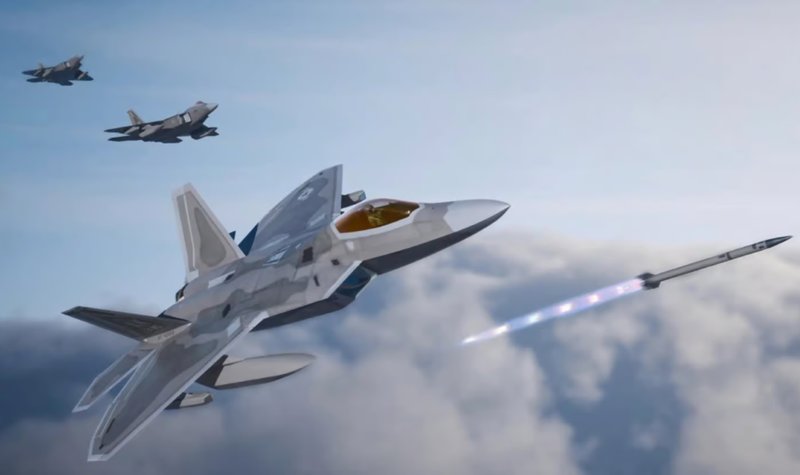
As global air combat operations continue to evolve at a rate not seen for decades, what will the next generation of air-to-air weapons look like, and what missions will they need to fulfil?
Lockheed Martin and Fincantieri Marinette Marine have laid the keel for the US Navy’s 13th Freedom-variant Littoral Combat Ship (LCS 25), the future USS Marinette, …
Malaysia’s six Littoral Combat Ships (LCS) will be armed with Naval Strike Missiles (NSM) anti-ship missiles and VL MICA surface-to-air missiles. However, while a deal …
The US military said on 26 March 2019 that it had successfully tested an anti-intercontinental ballistic missile (ICBM) system, with a target launched from the …
Damen Shipyards Den Helder (DSDH) and the Netherlands’ Defense Material Organization have signed a contract for the design, build and delivery of a prototype Expeditionary …
Royal Australian Navy Hobart-class air warfare destroyer (AWD), Nuship Sydney, is set to receive a technical capability upgrade earlier than planned at the Osborne Naval …
Raytheon is developing a new version of the Advanced Synthetic Aperture Radar System (ASARS) for the US Air Force’s U-2 Dragon Lady surveillance aircraft, the …