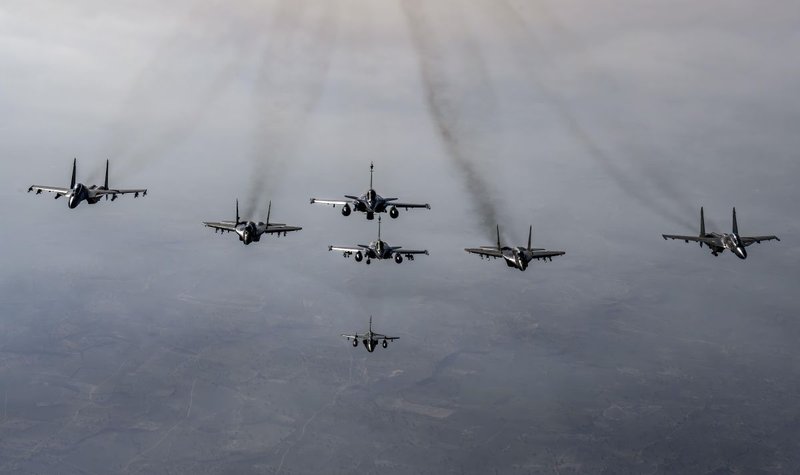
Senior military leaders have highlighted the need for interoperable systems, common data standards and closer cooperation between India's armed services.
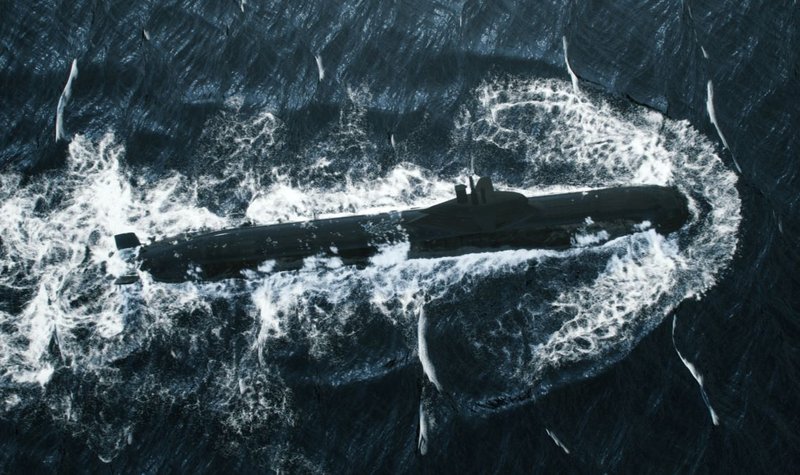
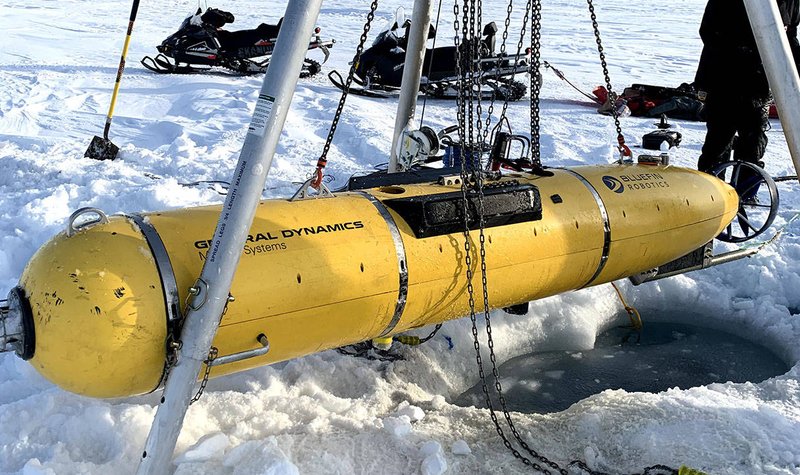
The changing Arctic environment is creating new challenges for submarine detection, driving demand for distributed sensors, uncrewed underwater vehicles and real-time acoustic modelling.
For a free 24 hour trial to read this and all our other Premium News Click Here The first UK RAF P-8A Poseidon maritime patrol/multi-mission aircraft is …
Fourteen members of the European Union (EU) have signed an agreement to simplify military mobility procedures, the Lithuanian Ministry of Defence announced on 14 May. …
US Air Force Special Operations Command (AFSOC) and Air Combat Command (ACC) have issued a joint solicitation for more than two dozen standardized Special Warfare V-22 …
Welcome to Episode 17 of The Weekly Defence Podcast. Listen on Apple Podcasts, Google Podcasts, Spotify and more. Sign up to an early email alert of future podcasts here.
As a long-term user of MASA’s Sword computer-based constructive training system, the Bangladesh Army has been instrumental in developing the product over the past three …
The Royal New Zealand Navy’s (RNZN) new hydrographic and diving support vessel, HMNZS Manawanui, arrived in Wellington on 13 May after its 11,570nm delivery voyage …
The US Naval Research Laboratory (NRL) and the navy's science and technology research squadron, Scientific Development Squadron ONE (VXS-1), have introduced the UV-18 Twin Otter …
Whilst the UK might not build non-SSN submarines directly (or export them), the British government has turned its focus onto the domestic companies, across the …