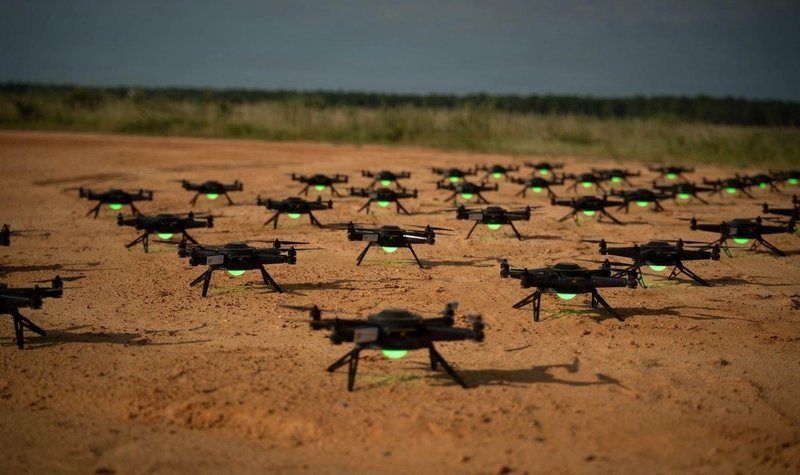
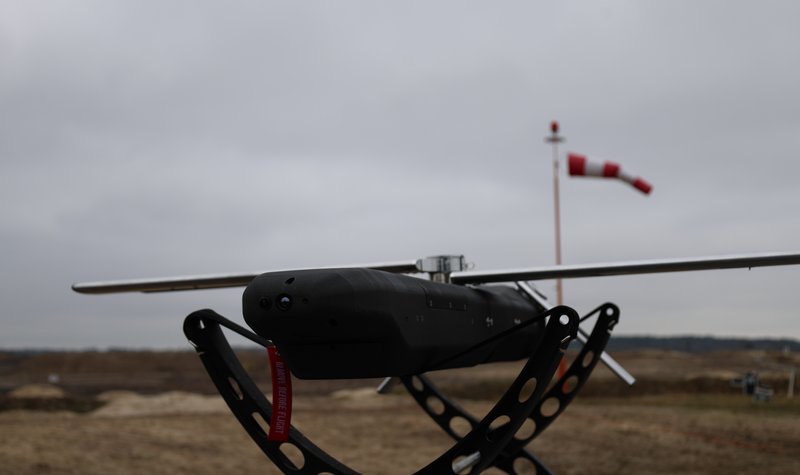
US Air Force, Army, Marine Corps and Special Operations Command initiatives signal demand for interoperable uncrewed systems control, creating opportunities for suppliers of hardware, software and integration services.
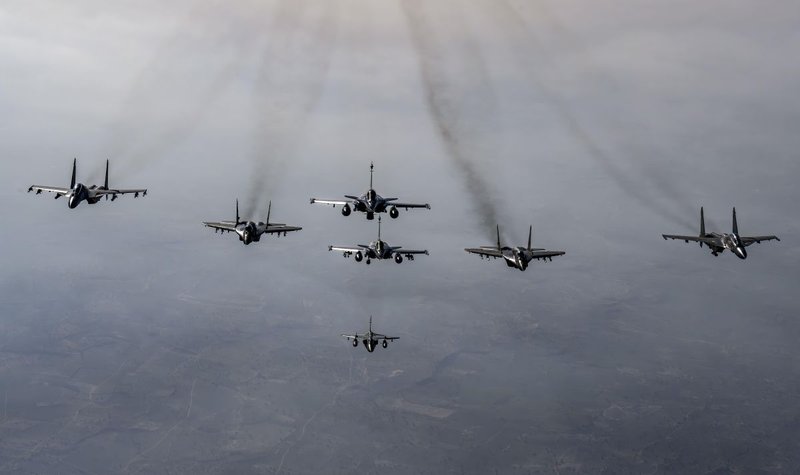
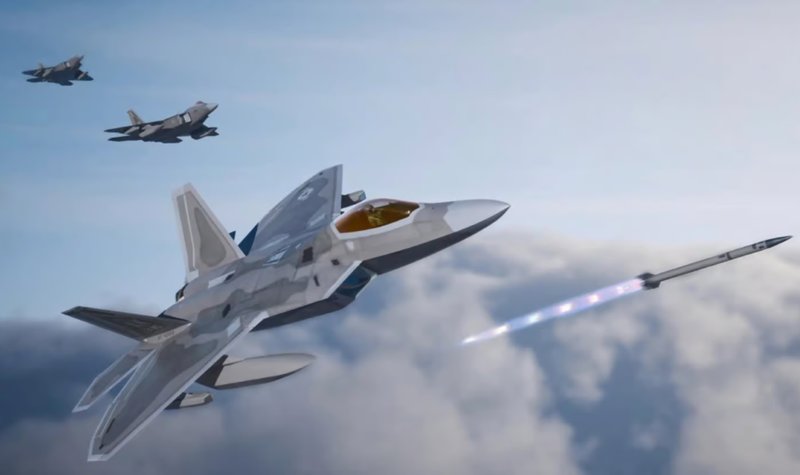
As global air combat operations continue to evolve at a rate not seen for decades, what will the next generation of air-to-air weapons look like, and what missions will they need to fulfil?
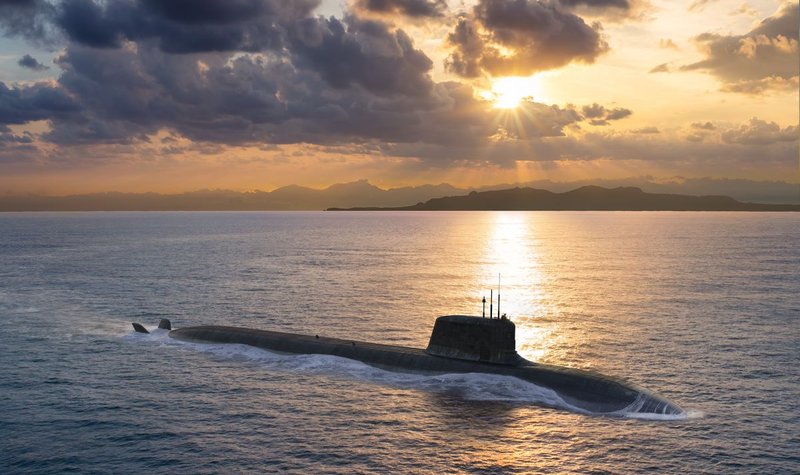
Sessions at UDT 2026 signalled that the AUKUS programme is pressing ahead at a steady pace – with trilateral commitment reaffirmed, Australian industrial capacity expanding and additive manufacturing emerging as an opportunity for suppliers...
The recent acquisition announcement for Cambridge Aerospace’s Skyhammer solution is a key step in the UK’s efforts to bolster its counter-UAS capabilities, but more still needs to be done to tackle even smaller drone threats.
The formation of a Great Lakes shipbuilding alliance could prompt a shift in how the US approaches naval and coast guard construction. But can distributed inland shipyards ease the country’s shipbuilding capacity?
The revised funding allocation will see up to 23% of the additional budget put towards stockpiles of munitions, with the country’s GDP spending expected to reach 2.5% by 2030.
Global Military Products was selected by the US Army to operate the Quad Cities Cartridge Case Facility and ramp up the production of various calibre shell cases.
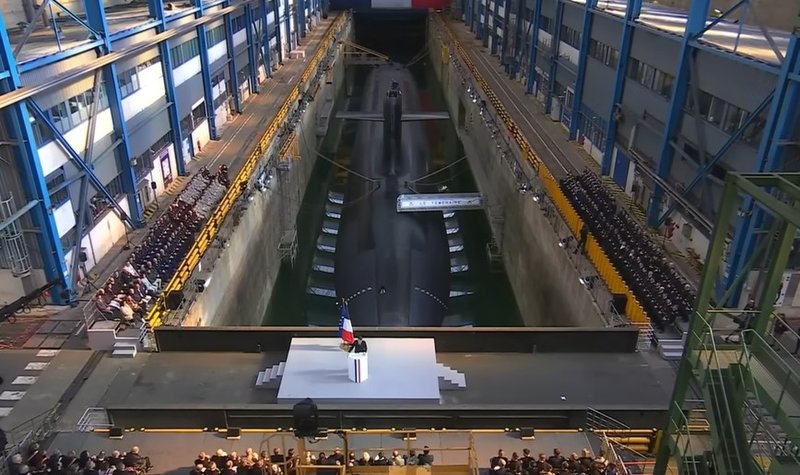
The Marine nationale’s consistent deployments, healthy shipbuilding drumbeat and growing export portfolio are forcing a reassessment of where European naval capability now resides.
Recent conflicts have created a surge in interceptor demand worldwide while exposing potential supply chain challenges, positioning India as a cost-effective partner and scalable supplier.
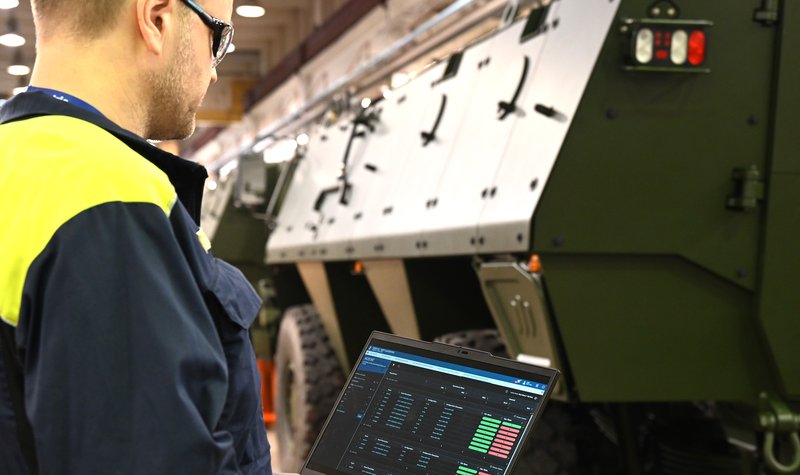
Future operational superiority will be defined by the ability to connect systems, data and personnel into a wider network. For armed forces, this creates the need for a digital backbone that integrates and enhances sensors and effectors of ...
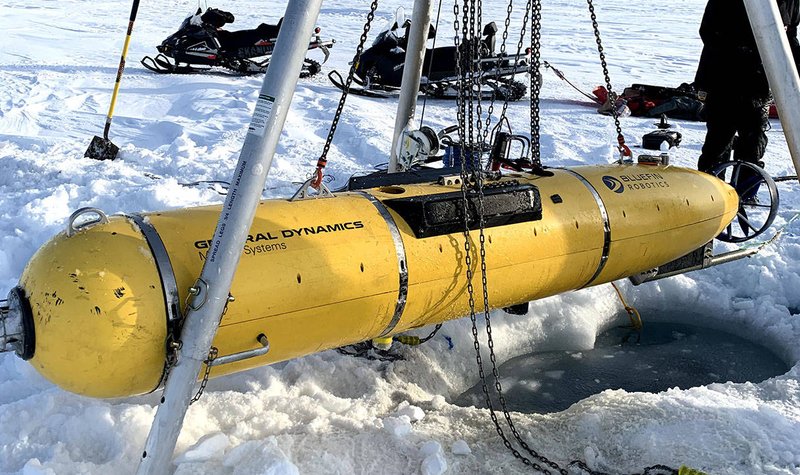
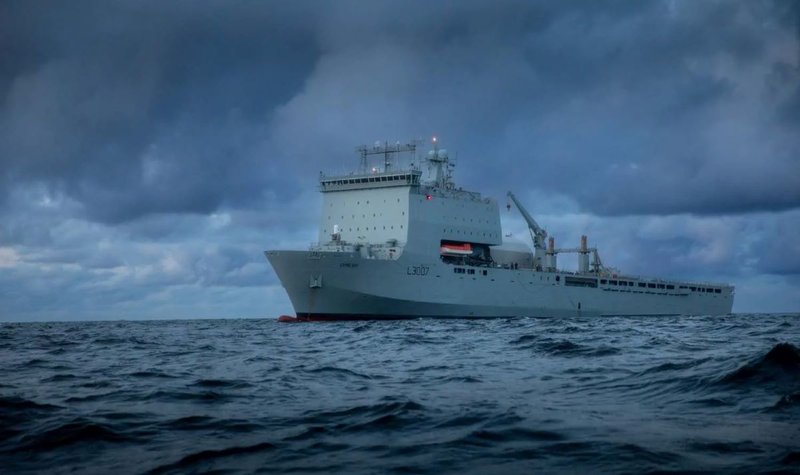
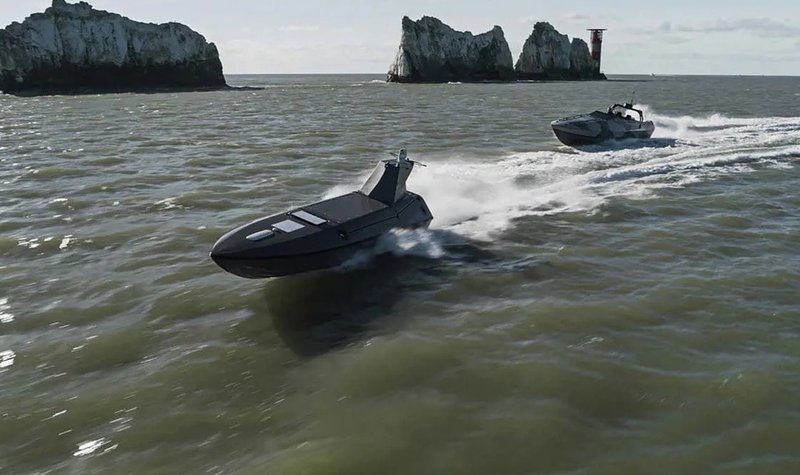
While their multibillion-dollar nuclear submarine ambitions move forward at a glacial industrial pace, all three countries are making a swifter bet: fleets of uncrewed vessels that can be built, deployed and iterated in years rather than de...