US Air Force, Army, Marine Corps and Special Operations Command initiatives signal demand for interoperable uncrewed systems control, creating opportunities for suppliers of hardware, software and integration services.
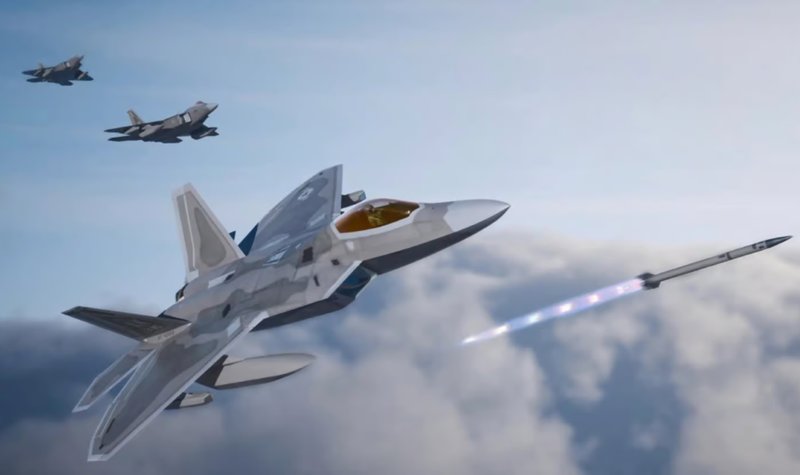
As global air combat operations continue to evolve at a rate not seen for decades, what will the next generation of air-to-air weapons look like, and what missions will they need to fulfil?
Raytheon will integrate the Naval Strike Missile (NSM) into the US Marine Corps' existing force structure, the company announced on 7 May. The work will …
Welcome to Episode 16 of The Weekly Defence Podcast. Listen on Apple Podcasts, Google Podcasts, Spotify and more. Sign up to an early email alert of future podcasts here.
Raytheon has successfully tested a hot fire rocket motor for DARPA's Multi-Azimuth Defense Fast Intercept Round Engagement System (MAD-FIRES), the company announced on 6 May. …
The need for maritime operators to integrate ‘high end processing’ capabilities to their digital footprint is in huge demand, according to rugged computer and hardware …
New Zealand announced in Q1 2019 that Harris Defence Australia had been chosen to deliver a new tactical communications network for the New Zealand Army, …
On 2 May, the Pentagon released its annual report to the US Congress on China’s military. Entitled ‘Military and Security Developments Involving the People’s Republic …
Taiwan’s Indigenous Defense Submarines (IDS) will be built in a new facility inside the grounds of the CSBC Corporation in Kaohsiung harbour in southern Taiwan, …
American aircraft carrier USS Abraham Lincoln passed through the Suez Canal on 9 May, Egyptian authorities said, as a US strike group heads towards the …
VT Halter Marine, the newly selected prime contractor for the US Coast Guard’s Polar Security Cutter (PSC), will soon host a five-day meeting with government’s …