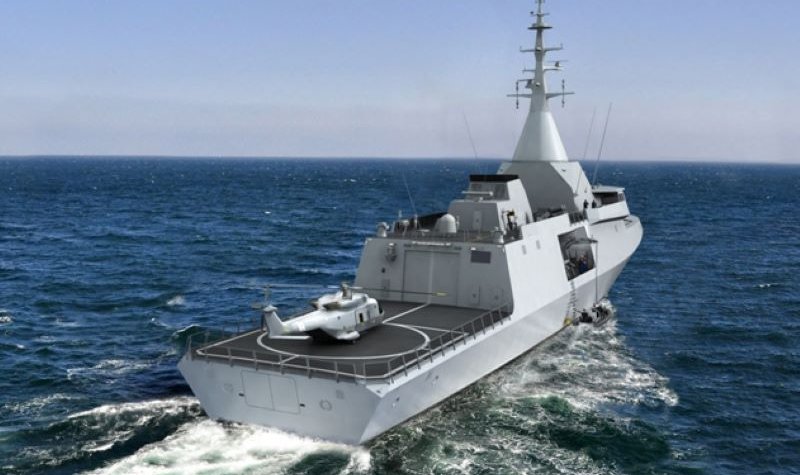
With no formal competition under way, industrial partnerships, production capacity and air defence capability could all shape the programme as Denmark considers how to replace its three Iver Huitfeldt-class frigates.
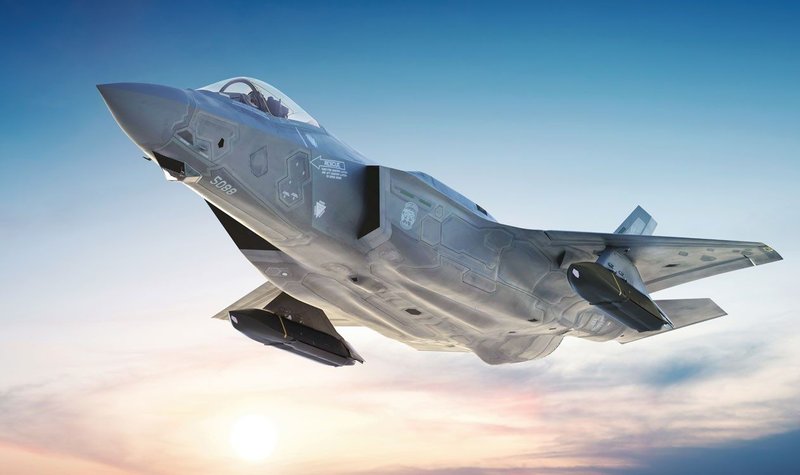
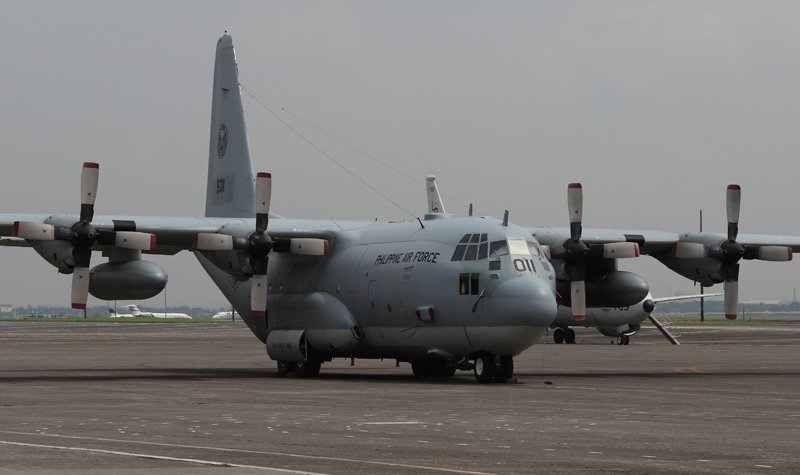
With many next-generation capabilities still years from operational readiness, several of the month’s largest developments demonstrated that governments remain willing to invest heavily in aircraft with proven capabilities and established support networks.
At DSEI 2025, James Gray, Managing Director and CEO of Raytheon UK (part of RTX), outlines the company’s century-long presence in the UK and its evolving role across defence, aerospace, cyber, and tra...
At SOF Week 2025 in Tampa, Florida, Stu Bradin, President and CEO of the Global SOF Foundation (GSOF), underscored the increasing operational demands placed on special operations forces (SOF) as globa...
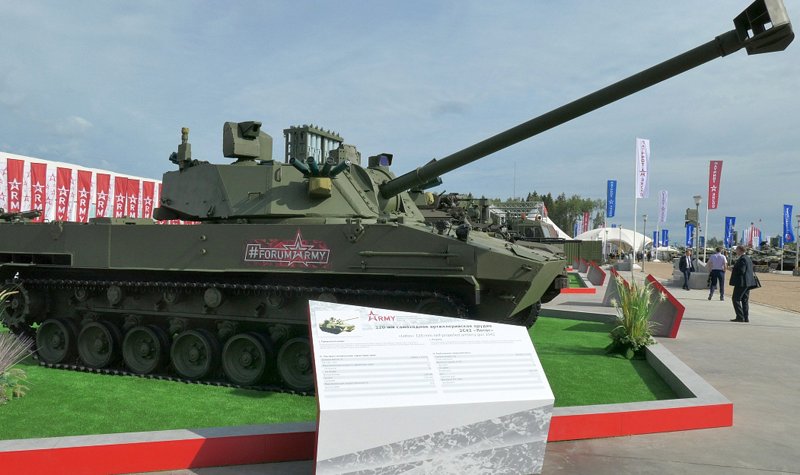
The 120-mm 2S42 Lotos self-propelled gun (SPG) for Russia’s elite Airborne Troops branch was shown to the public for the first time at Army-2019 defence …
Welcome to Episode 24 of The Weekly Defence Podcast. Listen on Apple Podcasts, Google Podcasts, Spotify and more. Sign up to an early email alert of future podcasts here.
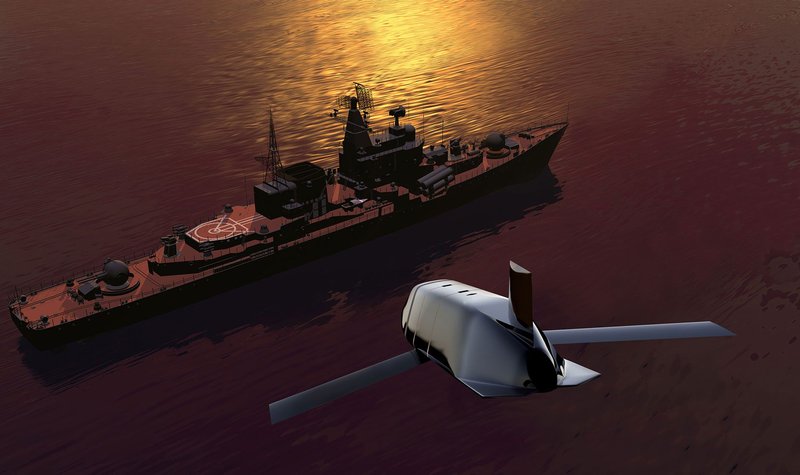
Lockheed Martin has been awarded a contract order worth some $175 million to update the Long-Range Anti-Ship Missile (LRASM) for the US Navy. This order …
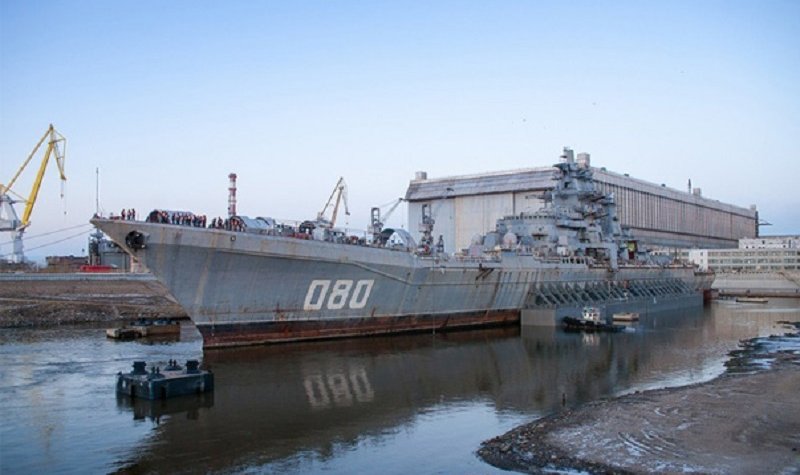
The protracted deep upgrade of Russian Navy’s nuclear-powered guided missile heavy cruiser Admiral Nakhimov is set to incur another delay. The vessel is the third …
Romania has selected Naval Group and Santierul Naval Constanta (SNC) to build four new Gowind-class multi-mission corvettes, to modernise the T22 frigates, and to create …
Whilst an understated part of global militaries’ vehicle portfolios, railway transportation still forms a backbone for the transportation of goods, services, personnel and national duties. …