US Air Force, Army, Marine Corps and Special Operations Command initiatives signal demand for interoperable uncrewed systems control, creating opportunities for suppliers of hardware, software and integration services.
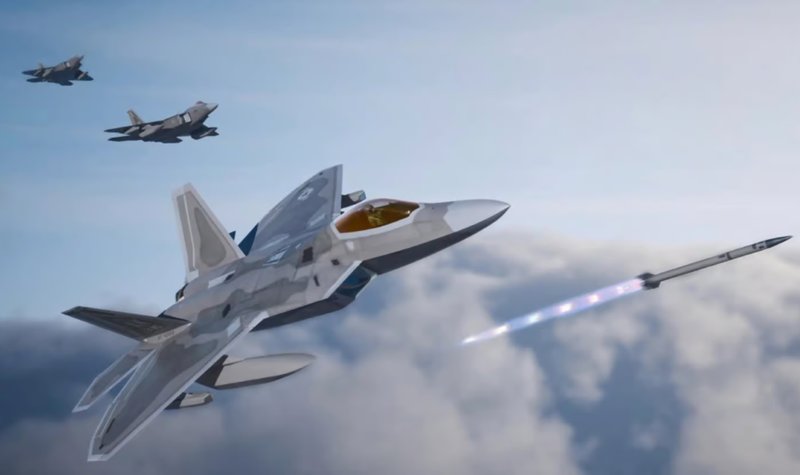
As global air combat operations continue to evolve at a rate not seen for decades, what will the next generation of air-to-air weapons look like, and what missions will they need to fulfil?
The UK’s Minister for the Armed Forces Louise Sandher-Jones made her first appearance in the role before the House of Commons Defence Committee this week to highlight efforts to improve capability in the High North.
Finland’s naval industrial base is expanding as NATO membership, Baltic Sea security concerns and proximity to Russia push shipbuilders and equipment makers to capture new roles.
Ottawa explores expanding defence-industrial cooperation with Washington into sensitive programmes, an approach that could reshape NORAD modernisation, strengthen North American supply chains and create new opportunities for defence contrac...
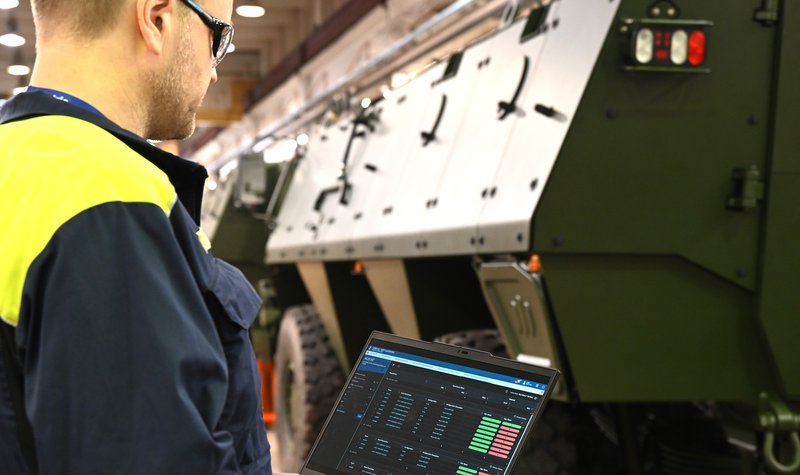
Artificial intelligence is not just changing how defence equipment is maintained but how defence programmes are won, creating new opportunities for industry by influencing acquisition decisions and shaping competition.
Operational lessons are pushing navies towards counter-uncrewed aerial systems at sea, creating a fast-emerging industrial opportunity for radar and effector makers.
Announcements on aircraft deals and agreements for trans-alliance cooperation to boost the production and purchase of weapons and equipment were key takeaways from this week’s NATO summit.
A panel session at Eurosatory 2026 brought together industry, academia and the French armed forces to assess how Ukraine’s battlefield reality is reshaping counter-UAS (CUAS) technology, air defence doctrine and Western procurement prioriti...
The UK government’s Defence Investment Plan has been criticised by the authors of the Strategic Defence Review (SDR) 2025 which formed the basis of the plan. The SDR’s external reviewers told the country’s defence committee how the plan mis...
The Royal Navy’s transition towards a hybrid fleet could prove to be less about building more hulls and more about delivering the autonomous technologies, AI and digital integration that will support future maritime operations.
As affordable counter-drone solutions become a military priority, repurposing training aircraft could emerge as a credible option to prepare for emergency scenarios.