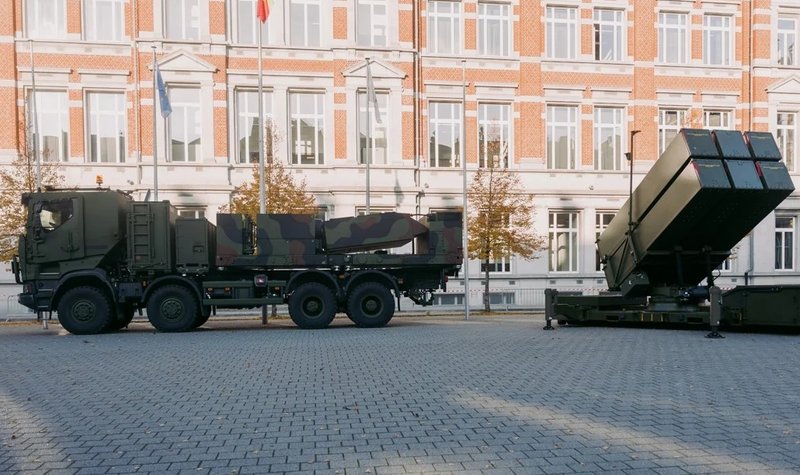
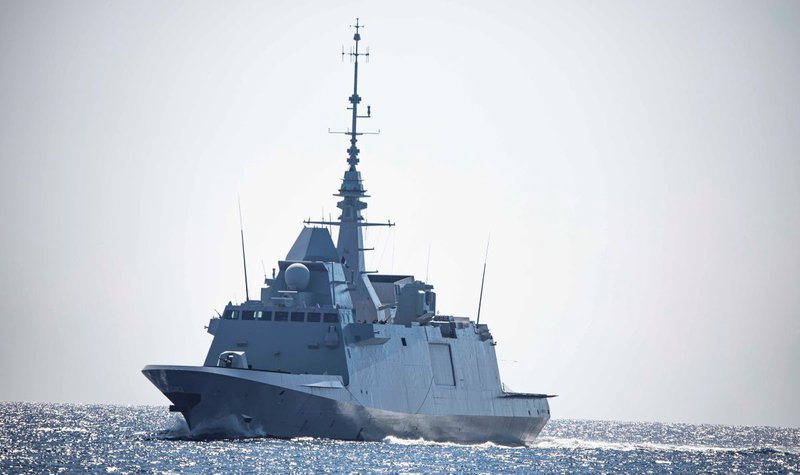
New interceptors and launchers could help navies preserve missile stocks during prolonged escort operations. Yet lower engagement costs will only improve merchant protection if the weapons are available where ships need defending.
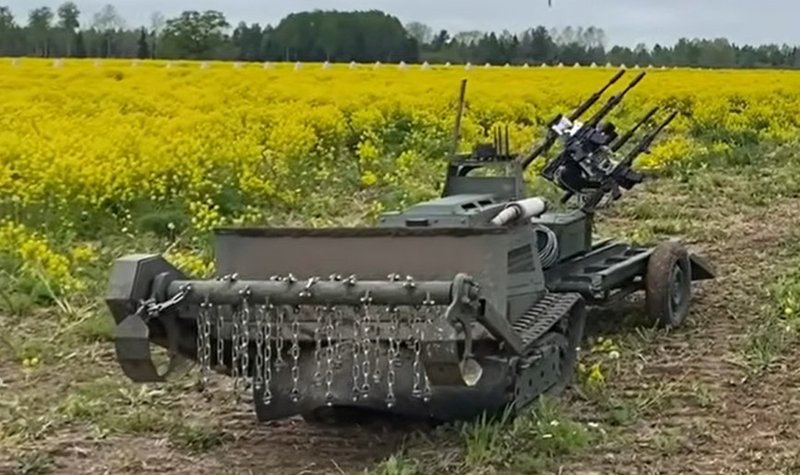
Western armies continue to test uncrewed ground vehicles, but wider procurement will depend on turning ambitions for autonomy into defined operational roles and funded requirements.
The Japan Ground Self-Defense Force (JGSDF) established a new Ground Component Command on 27 March to unify its five existing armies: the Northern, Northeastern, Eastern, …
US Army representatives used this week’s Association of the US Army Global Force Symposium to spotlight efforts underway across the service’s cross functional teams (CFTs). …
US Army leadership is weighing its options when it comes to developing hypersonic weapons, but isn't prepared to dive into programme specifics. During the Association …
Harris Corporation will modernise and upgrade an unnamed Asian nation’s military communications network under a contract announced on 21 March. For the command and control …
Harris Corporation has unveiled the latest member of its software defined radio (SDR) family, specifically designed for the US Army’s Leader Radio programme. Described as …
BAE Systems has received two orders totalling $97 million from the US Army for night vision goggles and thermal weapon sights, the company announced on …
The US Marine Corps is seeking companies interested in participating in a Medium Tactical Vehicle Replacement (MTVR) technology demonstrator (TD) programme, which would be used to …
The Polish government has officially signed an offset agreement with US industry that will pave the way for the purchase of the Patriot integrated air …
Rheinmetall has received a contract from the Australian Defence Force to supply various projectile types from the company’s Assegai family, along with fuses and propelling …