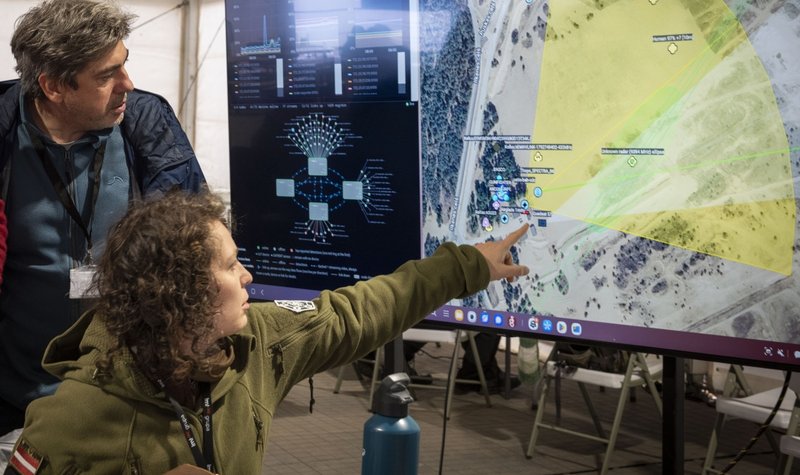
NATO is looking to artificial intelligence to provide integration between different C2 systems to create a common operational picture, potentially offering a faster route to interoperability than the slow-moving processes of NATO standards committees.
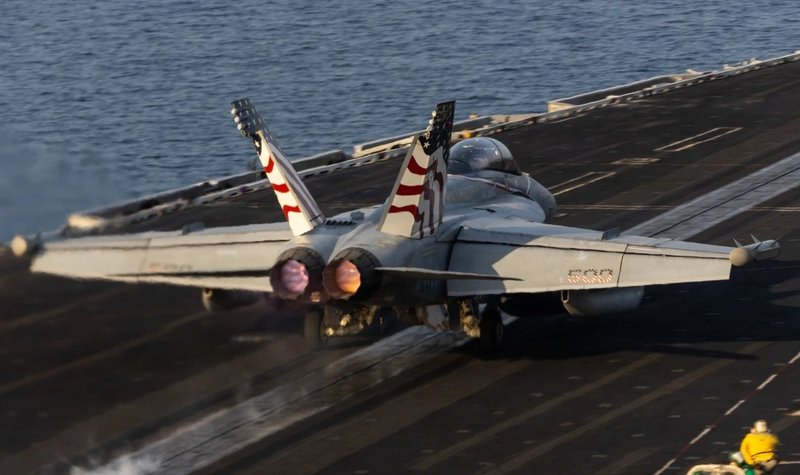
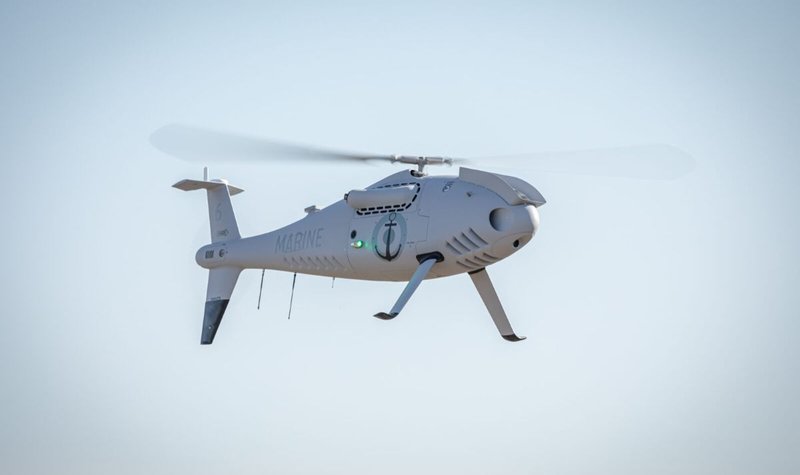
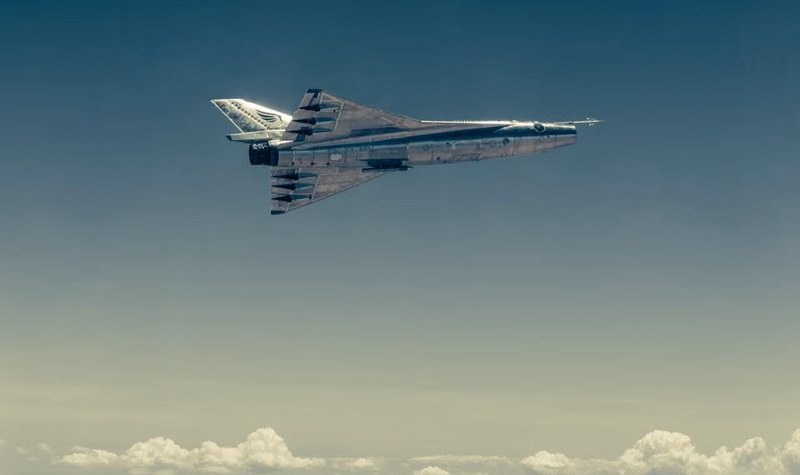
The large-scale exercise in Latvia was the culmination of three experimentation initiatives to see how platforms, weapons and systems could fit into the alliance’s Eastern Flank Deterrence Initiative. As well as forces, it brought together companies and equipment.
Thales and the Dutch Defence Cyber Command (DCC) have entered into a contract to build a cyber defence training and testing facility called the Cyber …
Cyber defence is one of the main priorities during the latest US Army Network Integration Evaluation iteration 16.2. Trials, which started on 2 May, are …
Harris has purchased 12 4.6m Trifold antennas from Communications & Power Industries (CPI) for use in a US Department of Defense programme. The order, worth …
A Raytheon BBN Technologies-led team has been awarded a contract sponsored by the US Air Force (USAF) to develop methods to make mobile applications viable …
The newly re-named Italian defence giant Leonardo has launched its new second generation AESA surveillance radar called Osprey. The company – formerly Finmeccanica – told …
A first lot production contract awarded to Raytheon by the US Air Force will see the company start production of the AN/DAS-4 Multi-Spectral Targeting (MTS) …
Terma has released a re-engineered and upgraded version of its Advanced Countermeasures Dispenser System (ACMDS), it announced on 29 April. Some of the features of …
Harris Corporation has received two orders worth $29 million to deliver its Falcon tactical radios to an undisclosed European country, it announced on 28 April. …