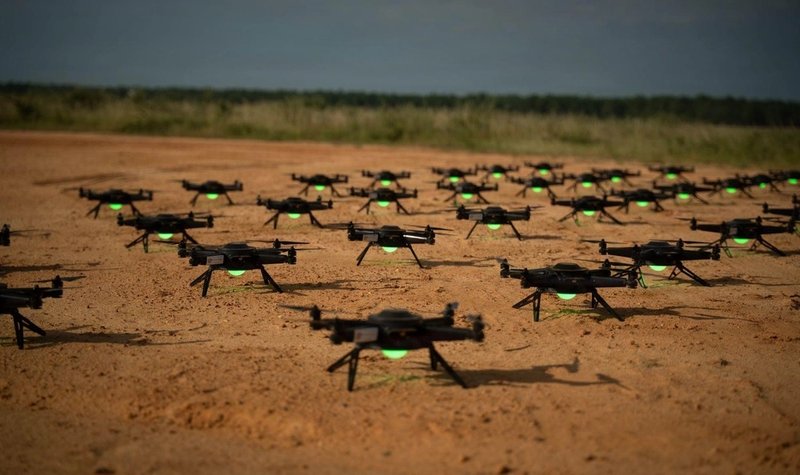
US Air Force, Army, Marine Corps and Special Operations Command initiatives signal demand for interoperable uncrewed systems control, creating opportunities for suppliers of hardware, software and integration services.
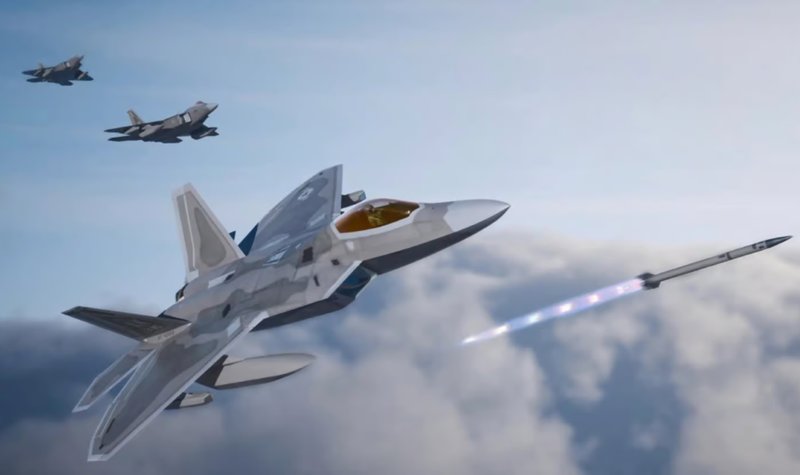
As global air combat operations continue to evolve at a rate not seen for decades, what will the next generation of air-to-air weapons look like, and what missions will they need to fulfil?
A new submarine rescue system developed by JFD has received operational licence from the Royal Australian Navy and the Australian government, JFD announced on 3 …
The Pakistan Navy (PN) ordered four 2,300t Ada-class corvettes from Turkish company STM on 5 July. This purchase, rumoured to be worth some $1 billion, …
Lockheed Martin is revving up to begin flight testing its solution for the US Army's new Precision Strike Missile (PrSM) weapon. Under 36-month risk reduction …
NATO’s Seasparrow Project Office has conducted a successful flight test of the Evolved Sea Sparrow Missile (ESSM) Block 2, intercepting a BQM-74E aerial target, NAVSEA …
With the first first four F-35B Lightning II jets arriving at RAF Marham on 6 June, Shephard takes a closer look at the UK's latest addition to its fleet.
As the UK prepares for withdrawal from the European Union, questions remain over whether the nation will adopt a protectionist autonomous role or whether it …
Cyber will be a major focus for Raytheon at the Farnborough International Airshow, with the company set to provide overviews of its cyber hardening systems …
American defence supplier UTC Aerospace Systems is set to expand its F-35 MRO operations at its Wolverhampton base as the fast jet programme begins UK …
The Royal New Zealand Air Force (RNZAF) will get four new Boeing P-8A Poseidon MPAs to enhance its surveillance capability, with the government approving the …