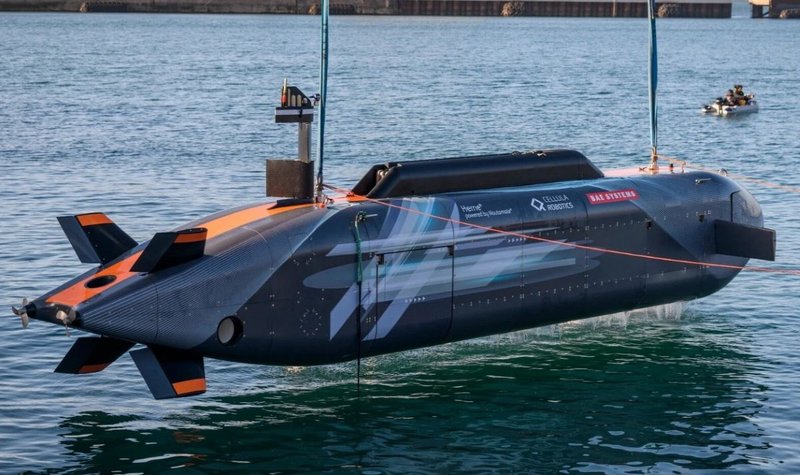
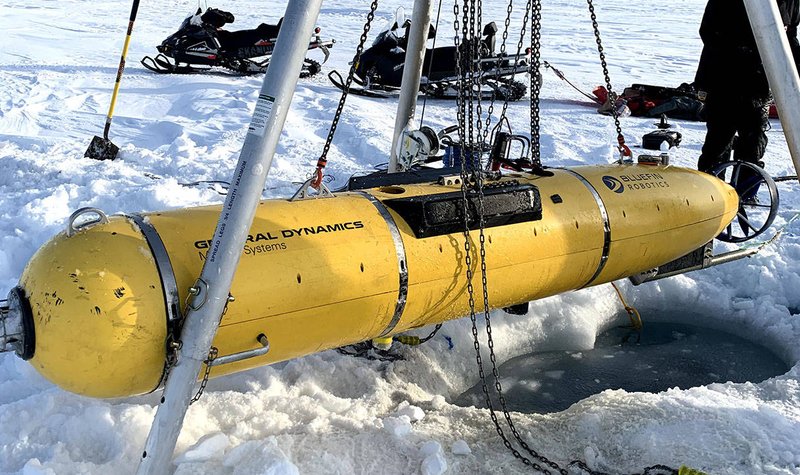
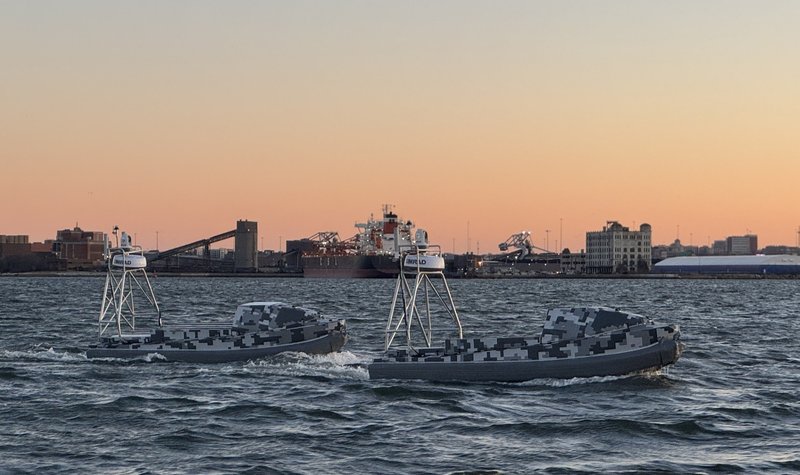
The changing Arctic environment is creating new challenges for submarine detection, driving demand for distributed sensors, uncrewed underwater vehicles and real-time acoustic modelling.
A wave of acquisitions is bringing specialist autonomy and underwater technology under the umbrella of larger defence contractors. As a result, navies may gain faster access to capability, but not necessarily a broader choice of suppliers.
Controp has received a contract from an unnamed defence customer in Asia to supply electro-optic (EO) and infra-red (IR) systems, the company announced on 3 …
Karachi Shipyard & Engineering Works (KS&EW;) launched the Pakistan Navy’s newest 32t Bollard Pull tug on 3 July. The 34m long tug has a displacement …
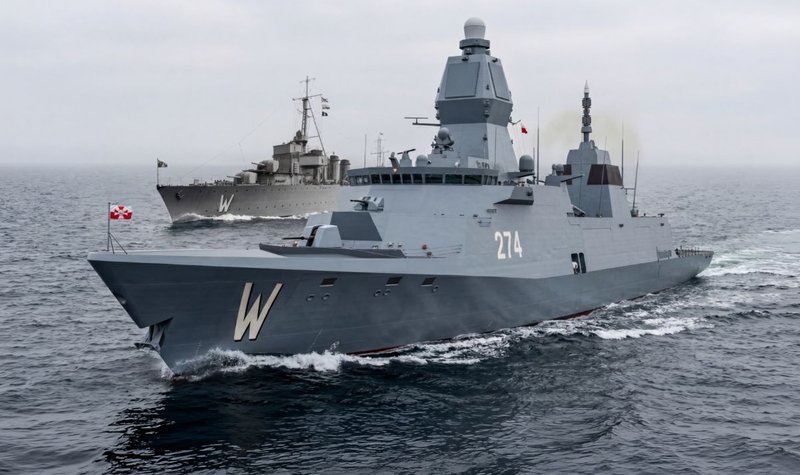
The Royal Australian Navy’s future guided missile frigates will be named the Hunter class with the first of these guided missile frigates to be commissioned …
Singapore’s Defence Science and Technology Agency (DSTA) revealed the capabilities of its new Fleet Management System (FMS) on the sidelines of the Defence Technology Summit …
The US Naval Surface Warfare Center, Port Hueneme Division (NSWC PHD), is collaborating with Moback to research and investigate specialised augmented and virtual reality (AR/VR) …
The Russian Navy’s new major hydrographic boat (MHB), Alexander Evlanov, has been floated out at the Nizhegorodsky Teplohod Shipyard, the Russian Ministry of Defence (MoD) announced …
Northrop Grumman is partnering with SeeByte to incorporate AQS-24B mine hunting sensor data into the SeeTrack system to enhance its autonomous target recognition (ATR) capability. …