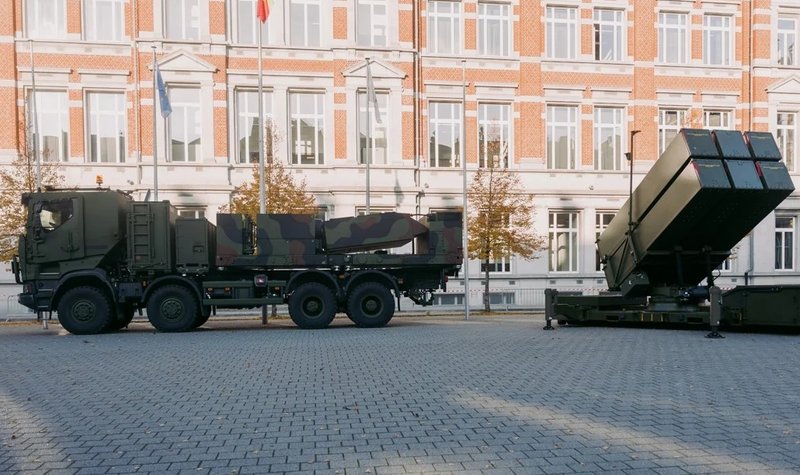
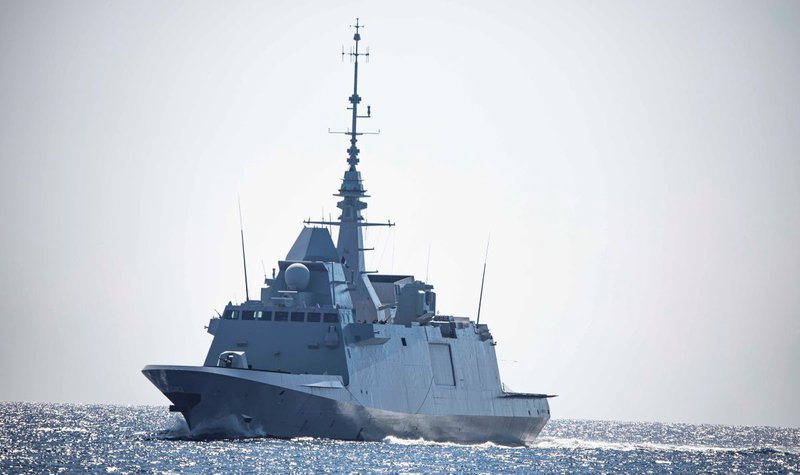
New interceptors and launchers could help navies preserve missile stocks during prolonged escort operations. Yet lower engagement costs will only improve merchant protection if the weapons are available where ships need defending.
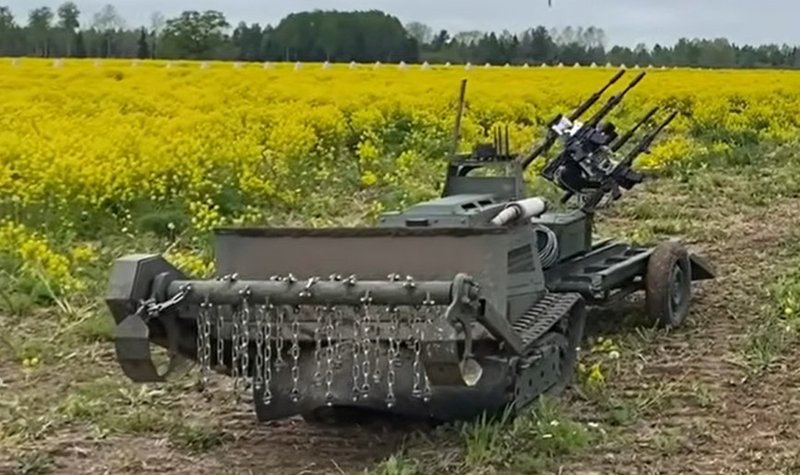
Western armies continue to test uncrewed ground vehicles, but wider procurement will depend on turning ambitions for autonomy into defined operational roles and funded requirements.
The Qatar Special Operations Command (Q-SOC) is set to benefit from a new state-of-the-art training facility following a deal confirmed at the Doha International Maritime …
Patria’s Senop has signed a contract with Kongsberg Defence and Aerospace for the supply of integrated command post shelters, Patria announced on 28 March. The …
Russia on 29 March condemned what it called Poland's ‘progressive militarisation’ after Warsaw said recently it had signed a deal on buying a US Patriot …
The US Army is accelerating plans to integrate the Terminal High Altitude Area Defense (THAAD) radar with the lower-tier Patriot system to better protect troops and assets from …
Lockheed Martin has received a next-phase contract to continue maturing the Modular Active Protection System (MAPS) controller base kit hardware and software for the US …
United States Transportation Command (USTRANSCOM), together with the Cost Assessment and Program Evaluation organisation within the Office of the Secretary of Defense, have begun a …
Ukroboronprom (UOP) has completed production of Oplot-T main battle tanks for the Royal Thai Army, the company announced on 26 March. The combat vehicles have …
Raytheon’s BBN Technologies is developing technology to direct and control swarms of small UAS and UGVs, the company announced on 26 March. The new technology …
Singapore has taken delivery of its first MBDA Aster 30 SAMP/T surface-to-air missiles (SAM), with the first image revealed to the public in a Republic …