The five most significant naval stories of 2022
In 2022, several key developments emerged in the naval domain from the Russian invasion of Ukraine to progress on major equipment projects.


5. Israel orders three new submarines from TKMS
The presence of an elongated sail on concept artwork and the high price tag of the submarines has prompted questions about the capabilities of new boats ordered by Israel from Germany.
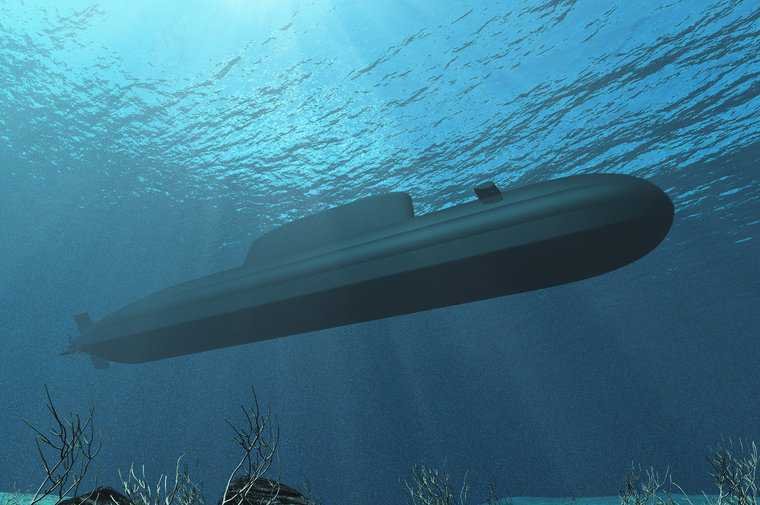
Rendering of a Dakar-class submarine. (Image: TKMS)
The Israeli government on 20 January announced it had reached an agreement with German firm ThyssenKrupp Marine Systems (TKMS) on framework conditions for the purchase of three new Dakar-class hunter-killer (SSK) submarines.
TKMS said the Dakar-class boats would be built to a ‘completely new design’ engineered to meet Israeli Navy requirements and replace the country’s first batch of Dolphin-class submarines.
Read the full story.
4. How the USS Gerald R Ford’s new tech is proving the critics wrong
USS Gerald R Ford is the largest, most expensive and most advanced aircraft carrier ever built and has successfully deployed a raft of new technologies on its first operational deployment.
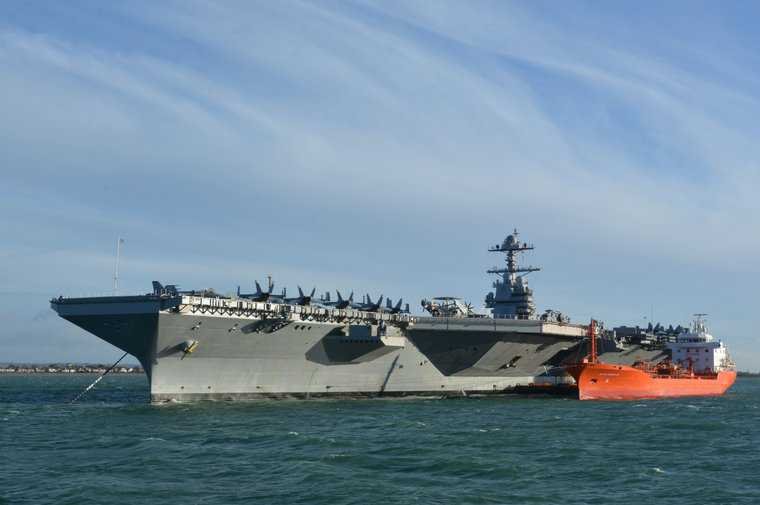
The USS Gerald R Ford anchored in the Solent off Portsmouth on 17 November. (Photo: Shephard)
Despite past criticism from the Pentagon’s top weapons tester, the new technologies integrated into the USN’s latest aircraft carrier have shown value during its first operational deployment.
USS Gerald R Ford (CVN 78) integrates 23 new technologies, highlights of which include the ship’s Electromagnetic Aircraft Launch System (EMALS), Advanced Arresting Gear (AAG) and Advanced Weapons Elevators (AWEs).
Read the full story.
3. Royal Navy selects Naval Strike Missile
The UK is joining a growing club of Naval Strike Missile operators with an ambition to get the weapon on ships and into service in a little over 12 months.
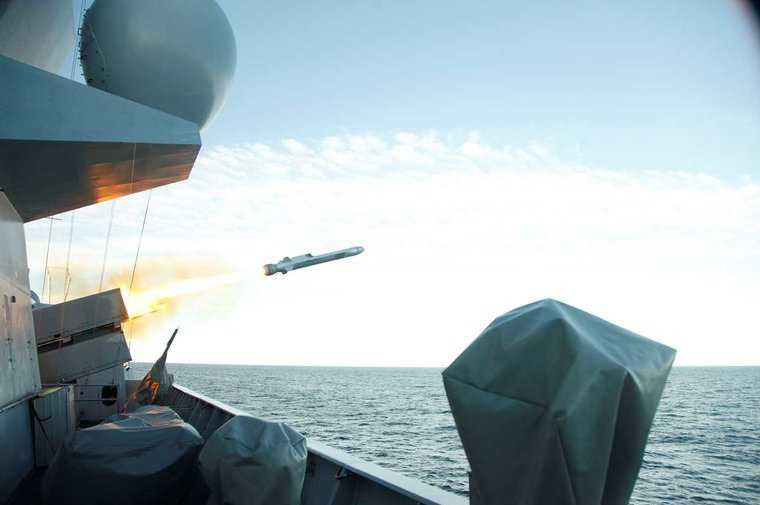
The Naval Strike Missile carries a 125kg warhead. (Photo: Kongsberg)
The UK RN’s Duke-class Type 23 frigates and Daring-class Type 45 destroyers will be equipped with Kongsberg’s Naval Strike Missile under a new partnership announced between the UK and Norway.
The selection of the missiles comes after, in July, Shephard reported the UK was negotiating a purchase of the weapon. Under the plans, the RN will equip eleven ships across the frigate and destroyer classes.
Read the full story.
2. India finally commissions its first indigenous aircraft carrier
It took many, many years longer than anticipated, but the Indian Navy has finally got its hands on an indigenously built aircraft carrier.
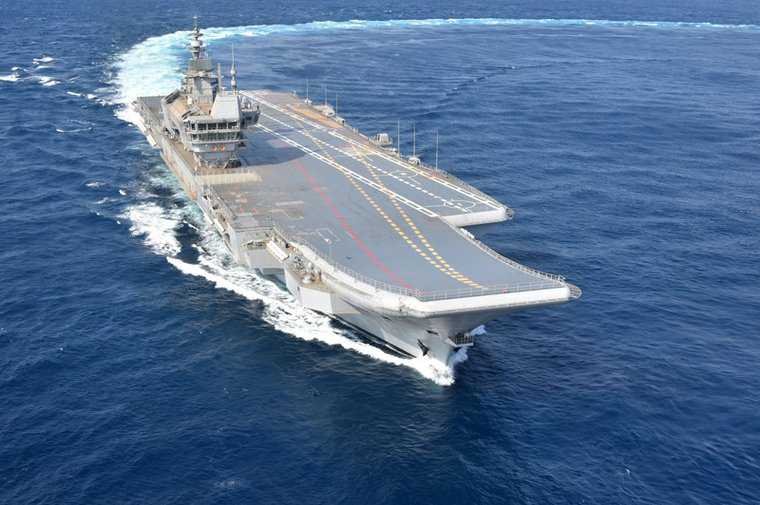
The Indian Navy commissioned the carrier INS Vikrant on 2 September, nearly seven years behind schedule. (Indian Navy)
The Indian Navy (IN) commissioned its 43,000t INS Vikrant aircraft carrier on 2 September, but it will only be fully operational by late 2023, senior officials said.
Delayed by nearly seven years, INS Vikrant cost INR200 billion ($2.52 billion), almost six times its expected price.
Read the full story.
1. Ukraine claims missile strike on Russian Black Sea fleet flagship Moskva
Russia and Ukraine are claiming different narratives following the confirmation of damage to the Russian cruiser Moskva.
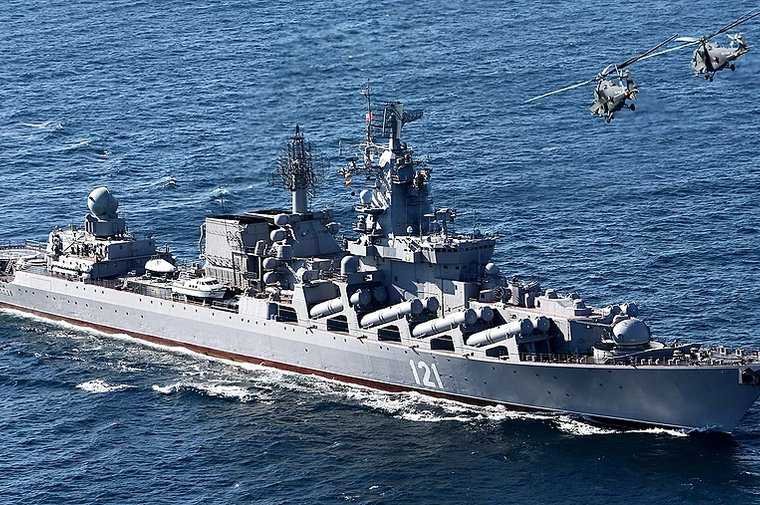
Russian Slava-class cruiser Moskva. (Photo: Russian Ministry of Defence)
On 13 April, Russian sailors were forced to abandon the flagship of the Russian Navy’s Black Sea fleet, the cruiser Moskva, which suffered significant damage after a claimed Ukrainian Neptune anti-ship missile strike.
Both sides of the conflict have claimed different reasons for the damage to the ship, with Russian state media stating a fire broke out on board, which detonated ammunition.
Read the full story.


More from Naval Warfare
-
![From REPMUS to procurement: the four capabilities NATO navies want from USVs]()
From REPMUS to procurement: the four capabilities NATO navies want from USVs
Syos Aerospace will channel its first outside capital into research, production and overseas reach as navies seek jam-resistant, integrated uncrewed fleets.
-
![Canada targets 2027 frigate trials for CU179 Peregrine uncrewed helicopter]()
Canada targets 2027 frigate trials for CU179 Peregrine uncrewed helicopter
The Royal Canadian Navy’s CU179 Peregrine will undergo Halifax-class frigate trials in 2027 ahead of initial operational capability in 2028, while River-class destroyer integration arrangements remain undefined.
-
![AUKUS heavyweight torpedo test raises questions over future armed UUV requirements]()
AUKUS heavyweight torpedo test raises questions over future armed UUV requirements
A heavyweight torpedo firing from the Royal Navy’s uncrewed submarine XV Excalibur suggests a shift beyond surveillance, with allied navies eyeing strike roles for large autonomous undersea vessels.