Second Brazilian Riachuelo-class submarine conducts pre-service testing
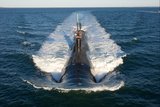
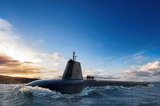
The Humaitá is the second of four diesel-electric boats on order for the Brazilian Navy. (Photo: Agência Marinha de Notícias)
The second of four PROSUB conventional attack submarines has completed diving trials ahead of service entry with the Brazilian Navy later this year.


During March, Brazil’s PROSUB SSK S-41 Humaitá carried out dynamic submersion and depth trials off the coast of Rio de Janeiro.
The Humaitá is the second of four diesel-electric boats on order for the Brazilian Navy and the acceptance tests at sea will release it for service entry. The first-in-class Riachuelo, was commissioned in September 2022.
The trials evaluate not only the submarine’s ability to dive safely, but evaluate the level of readiness of the crew.
Related Articles
PROSUB programme passes new milestone
Defence: what to expect from the next Brazilian president
India enlists French help to install AIP in Scorpene submarines
The programme schedule envisages releasing S-41 for operational service in the second half of this year.
The four new Riachuelo-class SSKs are based on the Naval Group Scorpene design.
The PROSUB programme includes the establishment of a new naval base and submarine manufacturing facility at Itagui in Sepetiba Bay south of Rio de Janeiro, the build of four SSKs and technology transfer to allow the construction of Brazil’s first nuclear-powered attack submarine.
Related Programmes in Defence Insight
Related Equipment in Defence Insight

More from Naval Warfare
-
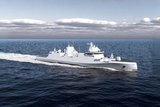
![Rheinmetall’s GMF 140: Ambitious frigate or market misfit?]()
Rheinmetall’s GMF 140: Ambitious frigate or market misfit?
Rheinmetall has unveiled its first next-generation frigate design, showing ambitions to compete as a surface combatant prime contractor. While the company is targeting North America, analysts believe the concept may be better positioned for future European programmes.
-
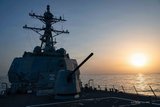
![US Navy begins SPY-6(V)4 radar testing ahead of first Arleigh Burke destroyer backfit]()
US Navy begins SPY-6(V)4 radar testing ahead of first Arleigh Burke destroyer backfit
Wallops Island trials will validate the next-generation radar's combat system integration before its installation aboard USS Pinckney, the first Flight IIA destroyer to receive the SPY-6(V)4 upgrade.
-
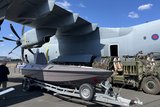
![A400M trial demonstrates airborne deployment of uncrewed surface vessel]()
A400M trial demonstrates airborne deployment of uncrewed surface vessel
Kraken Technology Group’s A400M airdrop of a K3 Scout uncrewed surface vessel points to a new way for navies to insert USVs into contested waters, bypassing ports and motherships.