


From systems integrator to multi-domain solutions provider (video)
Philipp von Brandenstein, Head of Corporate Communications at Rheinmetall, explains how Eurosatory 2026 marked a new stage in the company's evolution.


Australia is moving MRO functions onshore for its F/A-18F Super Hornets. (Photo: BDA)
Boeing Defence Australia (BDA) has signed a new military aircraft support contract with RUAG Australia, as part of broader efforts to build up sovereign MRO capabilities in the country.
The deal under the Air Combat Electronic Attack Sustainment (ACEAS) programme will see RUAG perform ‘enhanced intermediate-level repairs on an initial three components for F/A-18Fand EA-18G Growler aircraft, with the potential to increase that number’, BDA noted in a 27 July announcement.
The three components are the main and nose wheel hubs plus a component from the environmental control system.
Currently, they are being repaired in the US under the FMS programme — so moving the work to Australia will help in ‘building resilience’ into the RAAF Super Hornet and Growler supply chains, said Chris Gray, BDA programme manager for ACEAS.
BDA provides sustainment and support services for other Australian aircraft such as the C-17A Globemaster, P-8A Poseidon, E-7A Wedgetail, CH-47F Chinook, EC-135 training helicopter and the soon-to-be-introduced AH-64E Apache Guardian.


Philipp von Brandenstein, Head of Corporate Communications at Rheinmetall, explains how Eurosatory 2026 marked a new stage in the company's evolution.

The US Department of Defense has requested new contracting authorities from Congress, using the Army's MV-75 Cheyenne programme to demonstrate how competition, digital engineering and closer industry collaboration could accelerate acquisitions.
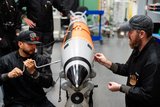
The US government plans to accelerate production even further after achieving key B61-13 milestones months ahead of schedule, as the programme advances amid growing US-China strategic competition.
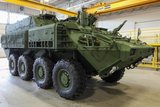
General Dynamics Land Systems-Canada is the country’s first strategic partner under the Defence Industrial Strategy’s Strategic Partnership Framework, an effort to provide companies with confidence to invest and boost the defence labour force.

The UK’s Minister for the Armed Forces Louise Sandher-Jones made her first appearance in the role before the House of Commons Defence Committee this week to highlight efforts to improve capability in the High North.
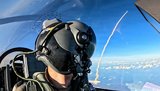
Ottawa explores expanding defence-industrial cooperation with Washington into sensitive programmes, an approach that could reshape NORAD modernisation, strengthen North American supply chains and create new opportunities for defence contractors.

Connect with us on socials


