Russia pitches more S-400 SAM systems to Turkey
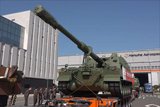
The S-400 Triumf long-range air defence system was developed by the Almaz Central Design Bureau in the 1990s. (Photo: Rosoboronexport)
Rosoboronexport announced at MAKS 2021 its intention to deliver more S-400 SAM systems to Turkey.


Rosoboronexport plans to deliver an additional batch of the S-400 surface-to-air missile systems to Turkey
Speaking during the MAKS-2021 show near Moscow on 20-25 July, Rosoboronexport CEO Alexander Mikheyev revealed that the Russian defence export agency expects to finalise the scheme ‘in the coming months’.
Turkey initially ordered the S-400 missile system in 2017 and received its first batch in July 2019.
The delivery prompted a backlash from the US, as the Countering America’s Adversaries Through Sanctions Act mandates sanctions for purchases of significant weapons from Russia.
As a result, the US kicked Turkey off the F-35 programme, a decision that has been maintained by the Biden administration.
There had been suggestions of mutual Russo-Turkish development of the S-400 missile system, with a level of industrial workshare in Turkey. However, Shephard Defence Insight notes there has been little to no progress in this regard.
Meanwhile, on 20 July RIA Novosti released footage of the S-500 Prometheus air defence system, which is intended to replace the A-135 anti-ballistic missile system and supplement the S-400.
Related Equipment in Defence Insight

You may also like

More from Land Warfare
-
![Billion-dollar Belgium deal for NASAMS creates multinational air defence system]()
Billion-dollar Belgium deal for NASAMS creates multinational air defence system
The National Advanced Surface-to-Air Missile System (NASAMS) is in service on five continents with more than 120 platforms delivered. The system will now form part of Belgium’s Blue Dome air defence system alongside new orders for Skyranger air defence and Thales radar systems.
-
![Poland land systems focus: €31 billion spending drive boosts domestic production ambitions]()
Poland land systems focus: €31 billion spending drive boosts domestic production ambitions
Poland’s potential €53 billion land procurement pipeline could give it one of Europe’s largest armoured vehicle fleets, with local production, technology transfer and future exports central to the strategy.
-
![Clearer military requirements could unlock UGV market growth]()
Clearer military requirements could unlock UGV market growth
Western armies continue to test uncrewed ground vehicles, but wider procurement will depend on turning ambitions for autonomy into defined operational roles and funded requirements.
-
![Can NATO’s CUAS marketplace turn urgent demand into deliveries?]()
Can NATO’s CUAS marketplace turn urgent demand into deliveries?
Framework contracts and leasing options aim to shorten acquisition timelines, while manufacturing partnerships could help suppliers scale production to meet allied demand.
-
![A medium UGV market emerges as the US weighs up its options]()
A medium UGV market emerges as the US weighs up its options
The US is pursuing multiple UGV programmes, from commercial robotic platforms to new autonomy technologies. The combination of these efforts could prove key to turning ambition into operational capability.
-
![NATO looks for answers to overcome standards hurdles and improve procurement]()
NATO looks for answers to overcome standards hurdles and improve procurement
NATO is looking to artificial intelligence to provide integration between different C2 systems to create a common operational picture, potentially offering a faster route to interoperability than the slow-moving processes of NATO standards committees.