Japanese wheeled combat vehicles: procurement driven by operational realities
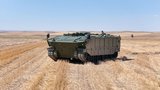
The Common Tactical Wheeled Vehicle currently being procured by the Japanese Self-Defence Forces. (Photo: JGSDF)
Japan’s armoured forces are currently undergoing a doctrinal shift from tracked to wheeled vehicles. This represents a major change in the country’s force structure and armoured capabilities.


There is a recurring trend in defence procurement in which governments adopt new military doctrine or announce new defence postures but do not alter their established procurement plans. It is often easier to continue old patterns than to adapt to new realities.
One country whose procurement actually appears to be influenced by its doctrine is Japan. In recent years, Japan has shifted away from heavier tracked vehicles towards lighter, more manoeuvrable wheeled vehicles. This movement has been driven by the changing security threat in Japan’s neighbourhood, with increasing tensions with China and North Korea forcing Japan to reappraise its force
Our news & analysis is now part of Defence Insight®
A Basic-level or higher Defence Insight subscription is now required to view this content.


More from Land Warfare
-
![How to breach a minefield: from traditional systems to modern techniques in action]()
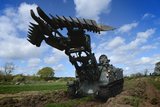
How to breach a minefield: from traditional systems to modern techniques in action
The news from Ukraine has again shown that antitank minefields and other obstacles on the battlefield, such as deep trenches, can play a key role in both offensive and defensive operations. Given this, there will always be a need to clear them, both during and after a conflict.
-
![British Army's open plan draws diverse offerings for Land Rover replacement]()
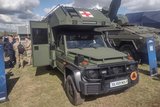
British Army's open plan draws diverse offerings for Land Rover replacement
The UK Ministry of Defence has avoided being prescriptive in its search to replace the British Army’s Land Rover, meaning vehicle types being offered range from Land Rover Defender Wolf II and Humvee to the hybrid series Fering Pioneer. What does this mean for the procurement process?
-
![DVD 2026: British Army’s Ajax back in the hands of users as part of a gradual return]()
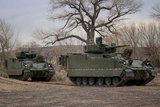
DVD 2026: British Army’s Ajax back in the hands of users as part of a gradual return
The introduction of Ajax vehicles into British Army service was stopped after operator health issues were reported during an exercise, but manufacturer General Dynamics Land Systems UK believes work over the past 10 months has dealt with the problems.