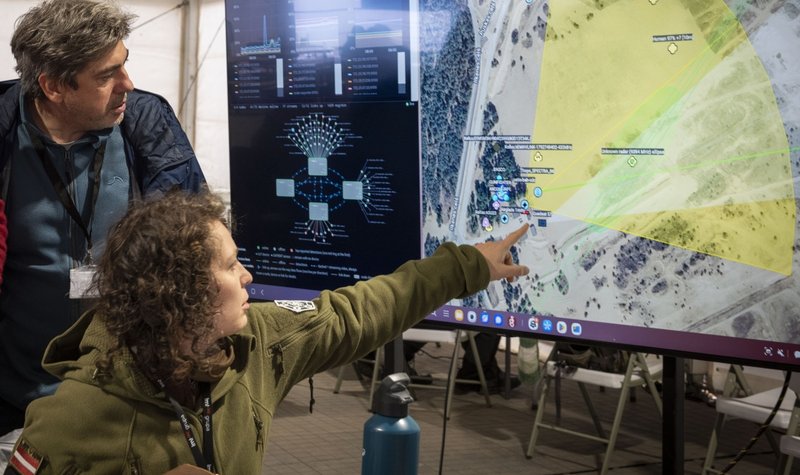
NATO is looking to artificial intelligence to provide integration between different C2 systems to create a common operational picture, potentially offering a faster route to interoperability than the slow-moving processes of NATO standards committees.
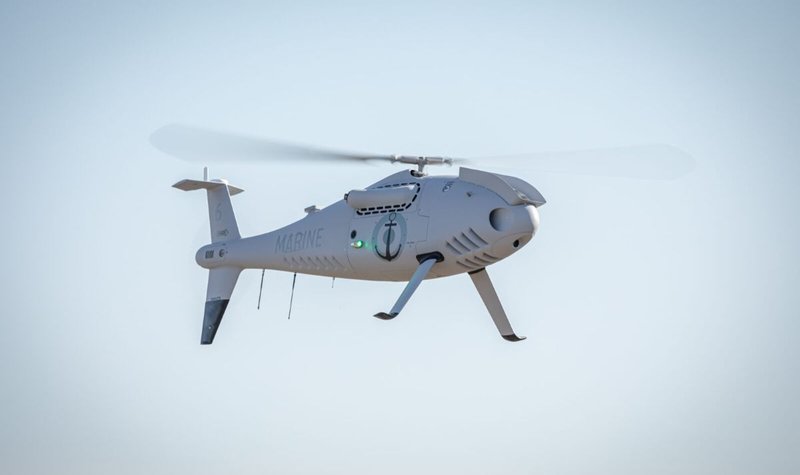
The large-scale exercise in Latvia was the culmination of three experimentation initiatives to see how platforms, weapons and systems could fit into the alliance’s Eastern Flank Deterrence Initiative. As well as forces, it brought together companies and equipment.
The US’ ballistic missile defense system (BMDS) has undergone operational testing to demonstrate its ability to defeat three near-simultaneous air and missile targets, consisting of …
The US Army has ordered seven additional AN/TPQ-53 (Q-53) counterfire target acquisition radars from Lockheed Martin, the company announced on 2 November. The order is valued …
Cubic Global Defense and Draken International have completed a live flight demonstration of the Cubic Miniature Encryptor (CME) in Lakeland, Florida, the company announced on …
South Korea’s digital Tactical Information Communication Network (TICN) for the brigade-and-below level is beginning to come together. Commencing in 2010 under the auspices of the …
Lockheed Martin will lead a team to develop, build and test the Long Range Discrimination Radar (LRDR) system as part of the country's layered Ballistic Missile Defense …
Honeywell Aerospace will supply avionics for the Royal Thai Air Force’s T-50 Golden Eagle fleet under a new contract with Korea Aerospace Industries (KAI). The …
BANC3 will continue work on a number of cutting edge technology research and development projects for the US Army under $15 million in contracts announced …
Rockwell Collins has completed test and evaluation flights for the Common Range Integrated Instrumentation System (CRIIS) at Eglin Air Force Base, the company announced on …