Approval of Turkish F-16 upgrades brings hope to quest for new jets
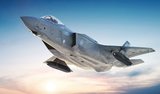
Ankara had requested nearly 80 modernisation kits alongside 40 F-16 Block 70/72 in 2021 October. (Photo: Turkish MoD)
Turkey’s request for new F-16 jets remains unfulfilled, but the US has approved upgrades to its existing fleet for $259m


The US State Department has approved a possible Foreign Military Sale (FMS) to upgrade Turkey’s current fleet of F-16 aircraft for around $259 million.
If accepted by Congress, the Turkish jets will receive both classified and unclassified software and hardware upgrades, training and training equipment enhancements and other improvements to make keep them up to date.
The US Defense Security Cooperation Agency (DSCA) said the proposed sale ‘will support the foreign policy and national security objectives of the US by helping to improve Türkiye’s interoperability with NATO and ensure safety of flight for Türkiye’s existing F-16 aircraft’.
‘The proposed sale will improve Türkiye’s capability to meet current and future threats and assist in defending its homeland and US personnel stationed there.’
A US Department of State spokesperson said: ‘Türkiye is a longstanding and valued NATO Ally. The Biden Administration supports Türkiye’s efforts to bring the avionics of its F-16 fleet up to standard.’
It is unclear how many fighters will receive upgrades, but Ankara had requested nearly 80 modernisation kits alongside 40 F-16 Block 70/72 in October 2021.
The approval of one part of the request will be welcomed in Turkey after a long stalemate, giving hope to a potential approval of the new jets that the Balkan-Asian country needs to keep its air force up to date.
Related Programmes in Defence Insight
Related Equipment in Defence Insight




More from Air Warfare
-
![September crewed air review: established platforms retain their grip on the market]()
September crewed air review: established platforms retain their grip on the market
With many next-generation capabilities still years from operational readiness, several of the month’s largest developments demonstrated that governments remain willing to invest heavily in aircraft with proven capabilities and established support networks.
-
![Will the US Navy F/A-XX and the USAF F-47 compete for production capacities?]()
Will the US Navy F/A-XX and the USAF F-47 compete for production capacities?
The two sixth-generation fighter programmes could battle for engineering talent and production lines before deliveries begin, testing Boeing’s industrial expansion plans.
-
![September drone digest: attrition-tolerant aircraft pitched to replace the Reaper]()
September drone digest: attrition-tolerant aircraft pitched to replace the Reaper
The loss of many MQ-9 Reapers during the 2026 Iran War has underscored the risks of sending relatively expensive UAVs into contested airspace. In September, new contenders to replace the Reaper emerged, championing cheaper, modular aircraft designs for mass production and inevitable attrition.