BAE Systems to compete for US Navy C4I engineering work
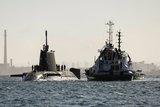
BAE Systems will be one of three companies competing for C4I systems engineering work on USN surface vessels. (Photo: BAE Systems)
BAE Systems has won a contract to engineer command, control, communications, computers and intelligence (C4I) services on US Navy surface ships.


BAE Systems has been awarded a contract by US Naval Information Warfare Systems Command to provide C4I services on surface ships.
The total value of the eight-year indefinite delivery, indefinite quantity (ID/IQ) contract is $537 million and BAE is one of three companies that will compete for work on the programme.
'We have a rich history of supporting the navy’s missions to advance security across the globe,' said Lisa Hand, VP and GM, BAE Systems Integrated Defense Solutions.
Related Articles
USMC issues support contract for C4I systems
BAE delivering Type 26 frigate Maritime Indirect Fire Systems
Why the US Navy wants to sell two Littoral Combat Ships after less than ten years in service
Under the new ID/IQ contract, BAE Systems will provide C4I services and data deliverables throughout five phases of shipboard integration. The company will perform work in Alabama, California, Louisiana, Maine, Mississippi, South Carolina, Washington and Wisconsin.



More from Naval Warfare
-
![HMS Anson’s milestone stay in Australia cut short during AUKUS deployment]()
HMS Anson’s milestone stay in Australia cut short during AUKUS deployment
The Astute-class submarine’s visit to Australia was the first time maintenance activity on a UK Royal Navy nuclear submarine had been carried out in the country.
-
![US Pentagon claims to have severely damaged Iranian capabilities, promises to increase attacks]()
US Pentagon claims to have severely damaged Iranian capabilities, promises to increase attacks
US military authorities claim to have sunk 20 Iranian vessels and destroyed Tehran’s Air Force, with the Pentagon making plans to send additional assets to the region.
-
![Greece’s newly commissioned FDI frigate deployed to Cyprus]()
Greece’s newly commissioned FDI frigate deployed to Cyprus
The recent naval modernisation efforts by the Hellenic Navy have been bolstered by the acquisition of advanced Naval Group frigates, the first of which was delivered in December 2025 and is now playing a crucial role in the latest Middle East conflict.