BAE Systems’ nuclear shipyard suffers “significant fire”
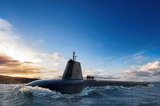
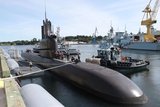
The Royal Navy Astute Class submarine. The last of the class is still being built at Barrow. (Picture: Royal Navy/MoD/Crown copyright)
The shipyard in Barrow-in-Furness in the UK is where both Dreadnought and Astute-class nuclear submarines are being built.


BAE Systems’ nuclear shipyard in Barrow-in-Furness has suffered what emergency services called “a significant fire”.
At around 00:44 GMT on 30 October, firefighters and ambulances were called to the shipyard. Two people were taken to hospital with smoke inhalation and later released. No other injuries have been reported.
There was also “no nuclear risk”, according to Cumbria Police. An investigation into the cause of the fire began almost immediately.
Related Articles
Seventh Astute class submarine build underway
The shipyard’s Devonshire Dock Hall, its main building facility, was evacuated overnight. BAE Systems advised “non-essential staff” to work from home in the immediate aftermath of the blaze.
Cumbria Fire and Rescue Service said that it had taken “15 appliances” to extinguish the fire, indicating a significant burn.
The Barrow-in-Furness shipyard covers around six acres which makes it the second-largest indoor shipbuilding complex of its kind in Europe. The four Vanguard-class submarines that have formed the UK’s Trident nuclear deterrent since the 1990s were built at the yard.
Currently, the site has been building four new nuclear submarines in the Dreadnought class (set to replace the Vanguard submarines in the early 2030s at an initial cost of US$42 billion). The yard has also been building the last of the Royal Navy’s seven new nuclear-powered submarines in the Astute class. Pre-existing delays before the fire had pushed back the launch date of this final boat in the Astute class to 2026. Whether the fire will further stretch that deadline, and in fact whether the fire will have any notable impact on the completion timelines for the yard’s current builds, remains to be seen.
While the investigation into the cause of the fire is ongoing, all but “non-essential” staff have been instructed to return to work.
Related Programmes in Defence Insight
Related Equipment in Defence Insight

More from Naval Warfare
-
![The UK joins the movement towards joint procurement]()
The UK joins the movement towards joint procurement
The UK will spend an estimated US$3.89 billion over the next decade in joint naval programmes, a lot of which will be in cooperation with Norway.
-
![Rheinmetall’s GMF 140: Ambitious frigate or market misfit?]()
Rheinmetall’s GMF 140: Ambitious frigate or market misfit?
Rheinmetall has unveiled its first next-generation frigate design, showing ambitions to compete as a surface combatant prime contractor. While the company is targeting North America, analysts believe the concept may be better positioned for future European programmes.
-
![US Navy begins SPY-6(V)4 radar testing ahead of first Arleigh Burke destroyer backfit]()
US Navy begins SPY-6(V)4 radar testing ahead of first Arleigh Burke destroyer backfit
Wallops Island trials will validate the next-generation radar's combat system integration before its installation aboard USS Pinckney, the first Flight IIA destroyer to receive the SPY-6(V)4 upgrade.