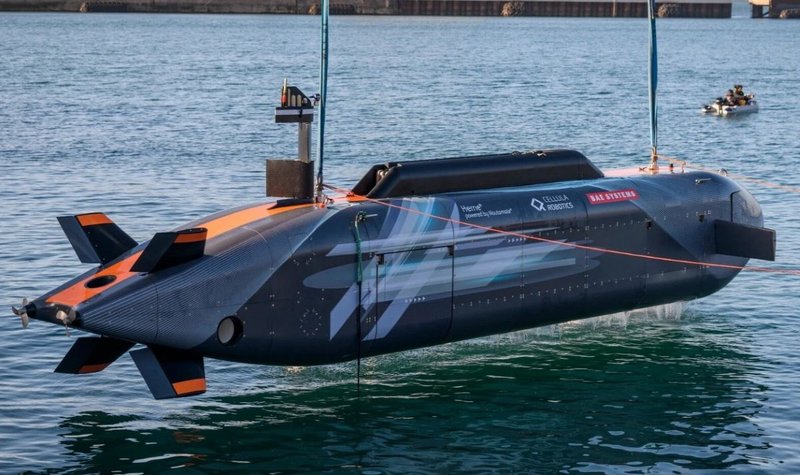
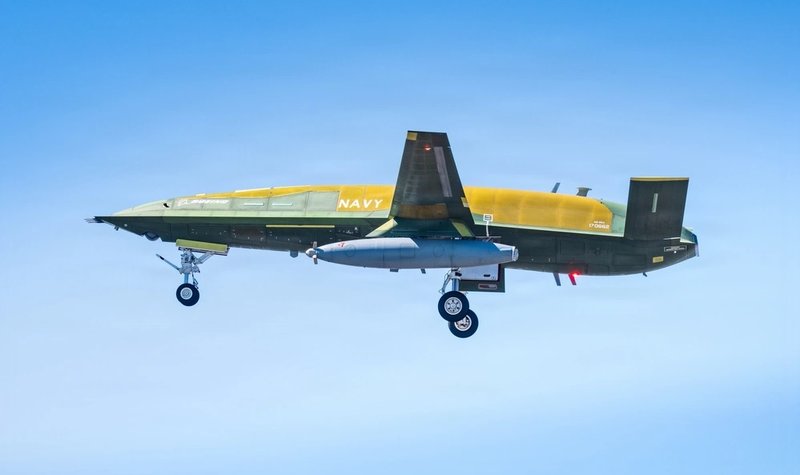
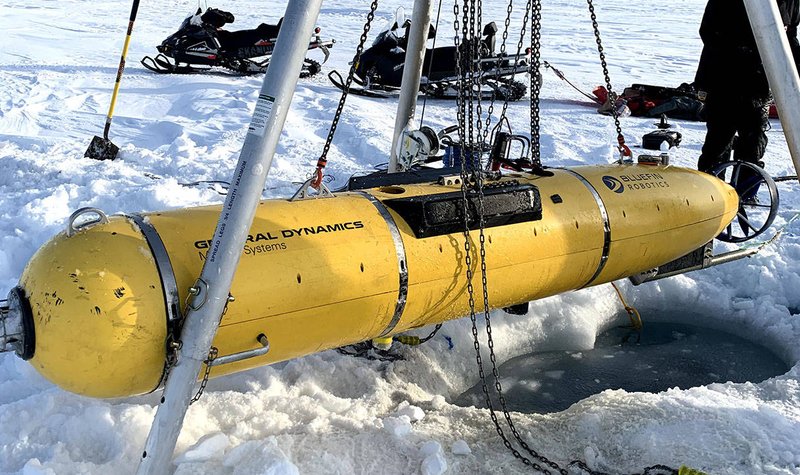
The changing Arctic environment is creating new challenges for submarine detection, driving demand for distributed sensors, uncrewed underwater vehicles and real-time acoustic modelling.
A wave of acquisitions is bringing specialist autonomy and underwater technology under the umbrella of larger defence contractors. As a result, navies may gain faster access to capability, but not necessarily a broader choice of suppliers.
General Dynamics European Land Systems (GDELS) has received a contract from the Brazilian Army for the production and delivery of its Improved Ribbon Bridge (IRB), …
The new US Naval Information Warfighting Development Centre (NIWDC) has seen significant progress in its efforts to train subject matter experts in the domain, making …
Viasat has received an IDIQ contract from the US Air Force for the supply of supplemental units, maintenance and support services for Viasat's AN/USQ-140(V) Multifunctional …
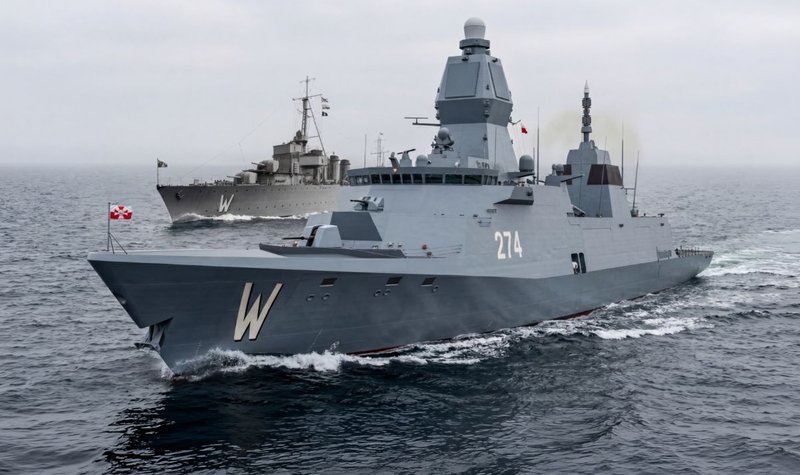
Atlas Elektronik and Thales Deutschland have received an order to jointly deliver the combat system for the German Navy’s five (batch two) K130 class corvettes, …
Saab and Damen this month unveiled a design for the replacement of the Royal Netherlands Navy’s (RNLN) ageing Walrus class submarines, with a focus on …
Rheinmetall has received a follow-on contract from the Canadian military to upgrade the Multi Ammunition Softkill System (MASS) installed on the navy's Halifax-class frigates, the …
LiquidPiston has received an additional $2.5 million funding from DARPA to continue development of its 30kW X4 rotary diesel engine prototype, the company announced on …
Al Seer Marine has signed a cooperation agreement with Iceland’s Rafnar to collaborate on USV technologies. The companies will initially work to convert Rafnar’s Embla …