MilDef wins multimillion-dollar deal to supply CV90 computers to Norway
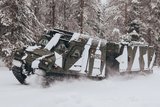
A modernisation effort has been underway by the Norwegian Armed Forces to upgrade its CV90 fleet. (Photo: BAE Systems)
Swedish rugged IT contractor wins Norwegian deal to provide the country’s CV90 combat vehicles with new computers.


Sweden’s MilDef has signed a SEK72 million (US$7.1 million) deal to supply 900 rugged computers as part of the modernisation of Norway’s fleet of CV90 combat vehicles.
Deliveries for the order, which was signed with the Norwegian Defence Materiel Agency (NDMA), will take place in 2025 and will see MilDef’s customised and rugged computers replace older computers in the Norwegian Armed Forces’ CV90 combat vehicles built by BAE Systems Hägglunds.
The contractor has what it termed a “long-standing collaboration with the NDMA” with the deal forming part of a framework agreement it has had with the agency since 2020 to provide it with military IT solutions.
MilDef CEO Daniel Ljunggren remarked: “This is our single largest order of computers to the Norwegian Armed Forces and contributes to a significant modernisation of the existing fleet of CV90.”
Ljunggren claimed that the deal was an example of “how the [CV90] platforms are constantly evolving with more powerful IT infrastructure and digitalisation”.
In November last year, the company signed a deal with an unnamed European nation to provide tactical IT equipment as part of a SEK30 million contract. The deal included MilDef’s deployment software OneCIS, which was to be used on both static and deployable infrastructure.
Related Equipment in Defence Insight

More from Land Warfare
-
![Rheinmetall advances longer 155mm ordnance with 30% range increase]()
Rheinmetall advances longer 155mm ordnance with 30% range increase
Rheinmetall has begun initial firing trials of a new 155mm/60-calibre artillery ordnance that could deliver up to 30% greater range than its existing 155mm/52-calibre system, as production of the current gun expands across Germany and the UK.
-
![Trans-European iMUGS2 uncrewed systems programme set for three-day exercise in 2028]()
Trans-European iMUGS2 uncrewed systems programme set for three-day exercise in 2028
The next stage of the Integrated Modular Unmanned Ground System (iMUGS) programme, dubbed iMUGS2, was launched in November 2025. Three major demonstrations are planned before the end of 2028.
-
![How joint ventures are expanding Rheinmetall's munitions portfolio (video)]()
How joint ventures are expanding Rheinmetall's munitions portfolio (video)
Roman Köhne, CEO of Rheinmetall's Weapon and Ammunition Division, discusses the company's announcements at Eurosatory 2026, including developments in defence technology, precision systems, industrial partnerships and future capability programmes.