Battlefield mobility, made in the UK
Image courtesy of UK Ministry of Defence
How does Britain ensure that we can preserve the lives of our soldiers and allies – now and in the future – with homegrown innovation and resilient domestic manufacturing? At Pearson Engineering, we are proud to be a central part of the answer to this increasingly important question.


Enjoy free access to this sponsored article, all content provided by Pearson Engineering
From our historic Armstrong Works in the North East – a site that has been at the heart of the UK’s defence sector for over a hundred years, and which is the birthplace of British heavy armour – we are harnessing our unique heritage to create the armour of the future.
Recently this has seen two major milestones achieved in our partnership with the British Army. These show how we are deploying cutting-edge innovation and our unique manufacturing capabilities to forge a step-change in how we protect life on the battlefield.
We are proud of completing our first Mission Module of the new Boxer Mechanised Infantry Vehicle as part of the programme. This is a major milestone for us, but it also represents a significant step-forward in the quantum of British content in British armoured vehicles – which matters hugely to the UK Government’s ambition to retain and grow the UK’s sovereign capabilities.
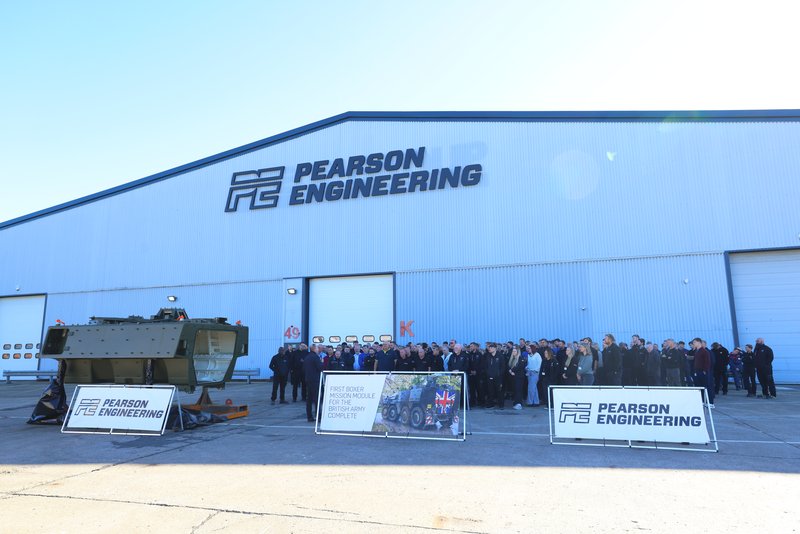
As Martyn Williams, Senior Responsible Owner for the Boxer programme commented: “It is great to see this Boxer delivery progress contributing to UK Land modernisation and our long-term capability to make Britain safer. Pearson Engineering is a key organisation sustaining specialist skills, supporting our resilience and growth, and investing in the talent pipeline needed to ensure the UK remains at the forefront of armoured vehicle manufacturing.”
Further to this progress on the Boxer programme, Pearson Engineering also recently celebrated the completion of another significant phase of the Challenger 3 turret programme. This moment represents a significant advance in the UK’s domestic defence engineering capabilities and demonstrates how Pearson Engineering’s world-leading innovation and manufacturing creates sovereign capabilities for the UK. We are building resilience and independence into our defence manufacturing base.
We are incredibly proud to be able to say that – thanks to our unparalleled expertise in design for manufacture, large-scale sheet metal fabrication and specialist welding, as well as our in-house R&D specialists – Pearson Engineering is unique in its capability of delivering what is one of the UK’s most complex and challenging defence engineering projects. As Mark Colley, Senior Responsible Owner- Challenger 3 British Army commented:
“The completion of the Challenger 3 turret structure by Pearson Engineering marks a remarkable feat of engineering and a critical milestone for the British Army’s next-generation main battle tank. The capabilities demonstrated at Armstrong Works are truly world-class and vital to maintaining our sovereign defence manufacturing base. It’s a proud moment for British engineering and a powerful example of how collaboration between industry and defence can deliver cutting-edge capability for our soldiers.”
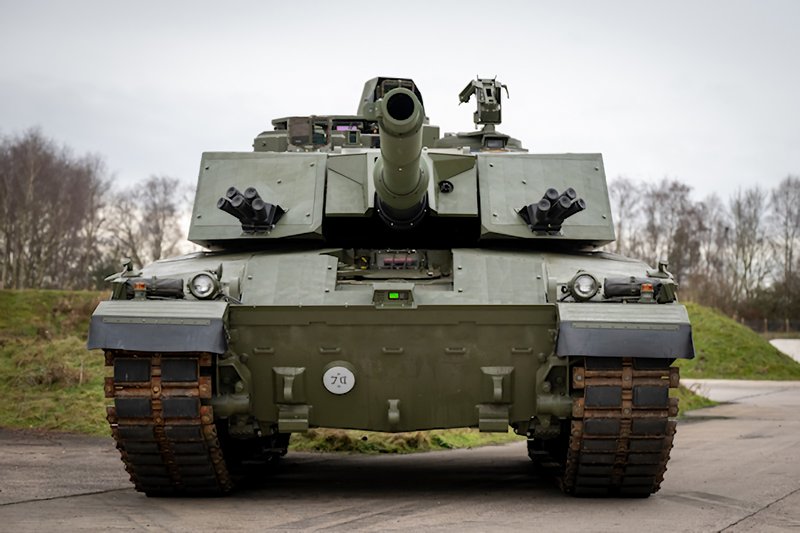
Image courtesy of RBSL
At this moment of global instability, the UK and our allies understandably look for certainty when it comes to the supply of vital defence equipment. It is therefore critical that even the most complex engineering challenges can be addressed and met through our own supply chain.
With our single, secure site and unparalleled in-house innovation and manufacturing capabilities, Pearson Engineering is purpose-made to provide the most cutting-edge solutions with absolute peace of mind. It positions us to play a pivotal role both in supplying immediate needs and in anticipating – and answering – the needs of the future battlefield.
Pearson Engineering is based at the birthplace of British heavy armour, and we are proud of our heritage and the legacy that informs us and shapes us as a company. But standing still in defence means ceding ground to our nation’s enemies and leaving our soldiers and allies more vulnerable than they need to be. That’s why we put innovation and progress at the heart of everything we do.
Battlefield mobility requires ever more complex technology if we are to protect life and ensure victory. At Pearson Engineering, we are delivering that technology and reimagining it for the battlefields of tomorrow every day. We are honoured to be saving lives every day through the work we do.
And we are honoured to be central to building a UK domestic manufacturing base that is truly world-leading while creating and sustaining careers and skills, ensuring that when it comes to battlefield mobility, the nation can be confident in our ability to make what we need right here in Britain.
Sovereign, secure and set for the challenges of the future.
Find out more about Pearson Engineering's capabilities here.




More from Industry Spotlights
-
![MKJ Warrior Series — The Nett Warrior Qualified Connector for Today’s Soldier Systems]()
MKJ Warrior Series — The Nett Warrior Qualified Connector for Today’s Soldier Systems
ITT Cannon’s MKJ Warrior connectors are designed for the harshest environments, delivering mission critical comms, navigation and USB data/power.
-
![“Dramatic leaps in processing capability”: how GDMS–UK is evolving mission systems for the modern battlespace]()
“Dramatic leaps in processing capability”: how GDMS–UK is evolving mission systems for the modern battlespace
In Conversation... Shephard’s Gerrard Cowan talks to Sam Steggall, GDMS–UK’s Senior Director – Air and Naval UK, about the company’s extensive and proven in-country capability to deliver complex avionics solutions and its key role on major Royal Air Force and Royal Navy aircraft programmes.
-
![The future is here: Sixth-gen air dominance]()
The future is here: Sixth-gen air dominance
How RTX is equipping the military airspace – for today’s fleet and tomorrow’s fight.
-
![De-Risking the Future: Manufacturing Certainty for Unmanned Systems]()
De-Risking the Future: Manufacturing Certainty for Unmanned Systems
How strategic manufacturing partnership solves the industrialisation triad — Scale, Compliance and Cost — for hyper-growth defence tech innovators.
-
![Strengthening Baltic defence capabilities]()
Strengthening Baltic defence capabilities
How Latvia is bolstering its territorial defences, industrial capacity and international cooperation with Dynamit Nobel Defence’s SKORPION2 Remote Mining System.
-
![Barco’s vision to trust: from past to future]()
Barco’s vision to trust: from past to future
Barco’s story is one of constant evolution enabling more immersive, reliable, and future-ready training experiences.