


Canada accelerates uncrewed aerial system procurement for NATO and Arctic forces
Canada plans to acquire at least 120 uncrewed aerial systems through two competitions with combined funding ceilings of C$32 million.


Galvion’s flagship Batlskin Caiman ballistic helmet system with customised MT helmet cover for Canada. (Photo: Galvion)
The Canadian DND has ordered a further 8,400 Batlskin Caiman helmets for the Canadian Dismounted Infantry Capability Enhancement (DICE) programme.
The helmet systems assessed for DICE were trialled by members of the Canadian Light Infantry at the end of 2022 and trials included the integration of equipment such as night vision goggles, gas masks, hearing protection and cold-weather gear.
The 2023 order was for 2,100 helmets and 4,200 helmet covers and these have now been delivered. The latest order also includes 16,800 helmet covers and is the second year of a five-year framework contract.
The helmet system has been developed over a number of years and is equipped with Galvion’s APEX lining system which allows for adjustment to meet user’s needs. It is designed to incorporate electronics, communications headsets and other critical equipment needs.
In November 2023, Norway, Finland and Sweden ordered 80,000 Batlskin Caiman helmet systems and accessories, the first contracts to be placed under a framework agreement signed by the NATO Support and Procurement Agency (NSPA) in December 2022.
In July 2020, the Danish Defence Acquisition and Logistics Organisation (DALO) awarded Galvion a US$23.5 million contract for helmets and in September 2019 the Dutch Ministry of Defence (MoD) ordered 48,000 Batlskin Viper P6N helmet systems.


Canada plans to acquire at least 120 uncrewed aerial systems through two competitions with combined funding ceilings of C$32 million.
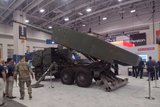
New counter-drone technologies, autonomous launchers and manufacturing modernisation initiatives highlighted emerging opportunities for defence suppliers, while the UK advanced a major military vehicle procurement programme.

Non-US companies are increasingly looking to establish subsidiary and partnerships to access the potential billions of dollars of vehicle and land systems contracts and there has already been some success.

Pearson Engineering has provided equipment and engineering expertise to the Armed Forces of Ukraine since the beginning of the full-scale Russian invasion in 2022. The British company is now working to deepen engagement with the Ukrainian defence industry, expanding its support for the country’s population and laying the foundations for future technological innovation.
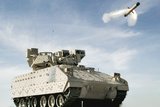
Rather than developing entirely new weapons, defence companies are looking to build on existing weapons and systems to deliver greater capability, control costs and accelerate fielding.

With a production rate of more than 10 million vehicles annually, the US commercial car and vehicle manufacturing base is second only to China. Defence companies are looking at how the vehicles, technology and manufacturing capability can support programmes.

Connect with us on socials


