ADEX 2015: Add an RCWS to your SUV


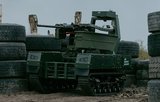
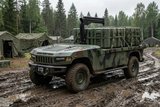
South Korean firm S&T Dynamics showcased its eponymous remote-controlled weapon station (RCWS) that can be mounted on any vehicle type, including a civilian SUV.
The RCWS is capable of accommodating a 5.56, 7.62mm or 12.7mm machine gun, with the latter being exhibited atop an SUV at the Seoul Air Show = although the concussion effects of a 12.7mm-calibre weapon on such a commercial vehicle do not bear thinking about.
A 40mm automatic grenade launcher can also be fitted, Luke Ryu, assistant manager of S&T Dynamics’ international sales and marketing team, told Shephard.
He said the RCWS, which weighs less than
Our news & analysis is now part of Defence Insight®
A Basic-level or higher Defence Insight subscription is now required to view this content.

You may also like
More from Land Warfare
-
![Billion-dollar Belgium deal for NASAMS creates multinational air defence system]()
Billion-dollar Belgium deal for NASAMS creates multinational air defence system
The National Advanced Surface-to-Air Missile System (NASAMS) is in service on five continents with more than 120 platforms delivered. The system will now form part of Belgium’s Blue Dome air defence system alongside new orders for Skyranger air defence and Thales radar systems.
-
![Clearer military requirements could unlock UGV market growth]()
Clearer military requirements could unlock UGV market growth
Western armies continue to test uncrewed ground vehicles, but wider procurement will depend on turning ambitions for autonomy into defined operational roles and funded requirements.
-
![Can NATO’s CUAS marketplace turn urgent demand into deliveries?]()
Can NATO’s CUAS marketplace turn urgent demand into deliveries?
Framework contracts and leasing options aim to shorten acquisition timelines, while manufacturing partnerships could help suppliers scale production to meet allied demand.
-
![A medium UGV market emerges as the US weighs up its options]()
A medium UGV market emerges as the US weighs up its options
The US is pursuing multiple UGV programmes, from commercial robotic platforms to new autonomy technologies. The combination of these efforts could prove key to turning ambition into operational capability.
-
![NATO looks for answers to overcome standards hurdles and improve procurement]()
NATO looks for answers to overcome standards hurdles and improve procurement
NATO is looking to artificial intelligence to provide integration between different C2 systems to create a common operational picture, potentially offering a faster route to interoperability than the slow-moving processes of NATO standards committees.