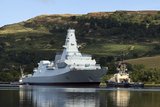
BAE Systems is offering A$20 million in contracts to suppliers to support Australia’s Hunter-class Type 26-derived frigate acquisition.
It is opening up opportunities to 150 businesses from Australia at a meeting in Adelaide, offering a procurement update that will also launch a bid for work on the programme’s prototyping phase that begins this year.
This will include Australian businesses that supply equipment and services, including scaffolding and pipes to deck coverings and insulation.
During this phase, Australian businesses can bid for contracts in two specific supplier categories. One category known as ‘category D’ is committed to achieving 100% Australian suppliers.
The prototyping phase is a crucial stage in the programme, BAE says, during which all the processes, systems, tools, facilities and workforce competencies will be tested and refined before construction on the first frigate commences in 2022.
The $35 billion Hunter programme will deliver nine anti-submarine warfare frigates to the Royal Australian Navy, and is the biggest surface ship project in Australia’s defence history.
As of December 2020, five vessels will be built at ASC’s Osborne Naval Shipyard, in South Australia.
‘The Hunter programme is committed to maximising opportunities for Australian suppliers through supply contracts and initiatives to nurture and grow small-to-medium sized businesses,’ managing director of ASC Shipbuilding, Craig Lockhart, said.
‘Today’s procurement update is not a just an information session – this is a genuine opportunity for our team to help Australian businesses bid for upcoming contracts to supply equipment and materials for the prototyping blocks, like scaffolding, pipes, steel, deck coverings, cables and insulation, as well as services, like outfitting and painting.’
Project SEA 5000 Phase 1 (4-6) [Australia]
Project SEA 5000 Phase 1 (1-3) [Australia]
Hunter Class (Type 26)
City Class (Type 26)