


World Defense Show 2026: Northrop Grumman to present improved C2 management system
The Northrop Grumman Integrated Battle Command System is in service with Poland and the US Army with another 20 countries believed to have expressed an interest.


Raytheon and the US Navy have completed the Preliminary Design Review (PDR) for the Next Generation Jammer (NGJ) programme, the company announced on 13 November.
The NGJ will deliver new capabilities for the navy’s EA-18G Growler. It is scheduled to replace the AN/ALQ-99 jamming pods, with the navy expected to declare Initial Operating Capability for the jammer in 2021.
Travis Slocumb, vice president, electronic warfare systems, Raytheon's Space and Airborne Systems, said: ‘Raytheon and the navy have made system engineering process discipline a top priority from the outset of the NGJ programme. The successful completion of PDR is indicative of the strength of our partnership, and we will apply that same focus as we move into the follow-on phases of the programme.’
Daniel Theisen, director, airborne electronic attack programs, Raytheon Space and Airborne Systems, said: ‘The jammer's open architecture design, coupled with high-powered, solid state electronics and agile jamming techniques, will enable us to meet US Navy electronic warfare mission requirements while ensuring the affordability of future upgrades.’


The Northrop Grumman Integrated Battle Command System is in service with Poland and the US Army with another 20 countries believed to have expressed an interest.

The Thales DigitalCrew package, first unveiled at last year’s Defence IQ International Armoured Vehicles conference, is designed to merge imaging and apply a layer of decision-making and observation algorithms to support crew and other personnel.

Nomad can provide militaries with real-time intelligence, saving critical time on the battlefield.
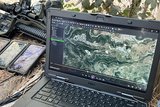
Taurus operates alongside the Israel Defense Forces’ Orion system which supports mission management across tens of thousands of manoeuvring forces, from squad leaders to battalion commanders.

The plan for the new displays follows fresh investment in Kopin’s European facilities by Theon and an order for head-up displays in fielded aircraft, with funding from the US Department of Defense.

Persistent Systems received its largest ever single order for its MPU5 devices and other systems earlier this month and has already delivered the 50 units to the US Army’s 4th Infantry Division.

Connect with us on socials


