


World Defense Show 2026: Northrop Grumman to present improved C2 management system
The Northrop Grumman Integrated Battle Command System is in service with Poland and the US Army with another 20 countries believed to have expressed an interest.


Lockheed Martin has modified its 'Dragon' airborne surveillance system in order to satisfy customer demand, a company official has told Shephard.
According to Charles Gulledge, business development for C4ISR systems and strategic programmes, the Dragon Stare solution will now be available as a stand-alone RF sensors and podded systems payload, which can be integrated onto a customer's own aircraft.
First unveiled at the Avalon international airshow in Melbourne, Australia, in February, Lockheed Martin's Dragon series comprises six categories of systems, designed at providing tailor-made solutions for military, homeland security and humanitarian missions.
According to Gulledge, the switch was made in the past two months in an attempt to attract interest from larger programmes as well as providing a cheaper alternative compared to full integration capability.
The Dragon Stare family comprises upgrades for Hawker, King Air and fast-air platforms as well as unmanned assets, Gulledge confirmed. Other families include Dragon Scout, Dragon Shield and Dragon Star which cover airframes from C-130s through to Casa C-295s.
Dragon provides signals intelligence (SIGINT) comprising electronic and communications intelligence; image intelligence (IMINT) comprising EO/IR, SAR/GMTI sensors; interphone communications systems; common and tactical data links; and satellite communications for line-of-sight (LoS) and beyond LoS capabilities. Gulledge said systems could be upgraded in three to 30 months.
A G-3 Dragon Star is currently being prepared for an 'operational environment test' for an undisclosed customer next year. In addition, a Dragon Shield C-295 is expected to make its first flight as part of a Finnish requirement early next year.

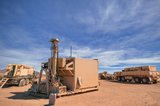
The Northrop Grumman Integrated Battle Command System is in service with Poland and the US Army with another 20 countries believed to have expressed an interest.

The Thales DigitalCrew package, first unveiled at last year’s Defence IQ International Armoured Vehicles conference, is designed to merge imaging and apply a layer of decision-making and observation algorithms to support crew and other personnel.

Nomad can provide militaries with real-time intelligence, saving critical time on the battlefield.
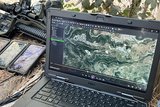
Taurus operates alongside the Israel Defense Forces’ Orion system which supports mission management across tens of thousands of manoeuvring forces, from squad leaders to battalion commanders.
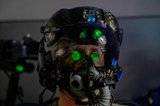
The plan for the new displays follows fresh investment in Kopin’s European facilities by Theon and an order for head-up displays in fielded aircraft, with funding from the US Department of Defense.

Persistent Systems received its largest ever single order for its MPU5 devices and other systems earlier this month and has already delivered the 50 units to the US Army’s 4th Infantry Division.

Connect with us on socials


