


World Defense Show 2026: Northrop Grumman to present improved C2 management system
The Northrop Grumman Integrated Battle Command System is in service with Poland and the US Army with another 20 countries believed to have expressed an interest.


The US Air Force has selected Boeing as prime contractor for its Eagle Passive Active Warning Survivability System (EPAWSS) electronic warfare suite, the company announced on 1 October.
The EPAWSS programme, which is valued at around $4 billion, will upgrade existing EW systems on F-15 aircraft to enhance aircrew protection.
The threat detection system will replace the Tactical Electronic Warfare System (TEWS), and will be installed on over 400 F-15Cs and F-15Es.
The company has subcontract BAE Systems for the development of EPAWSS.
Lt. Col. James Parslow, US Air Force F-15 EPAWSS program manager, fighter/bombers directorate, Air Force Life Cycle Management Center, said: ‘As we look at future threats, enhanced electronic warfare is more essential than ever to improve overall survivability. We look forward to adding this next-generation capability to enhance the air superiority mission of the F-15.’
Mike Gibbons, vice president, Global Strike Boeing F-15 programs, said: ‘Warfighters of today and tomorrow need the latest in jamming, targeting, infrared threat detection and enhanced decoy capabilities. EPAWSS will ensure the F-15 is relevant and dominant through 2040 and beyond.’

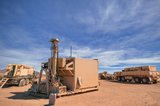
The Northrop Grumman Integrated Battle Command System is in service with Poland and the US Army with another 20 countries believed to have expressed an interest.

The Thales DigitalCrew package, first unveiled at last year’s Defence IQ International Armoured Vehicles conference, is designed to merge imaging and apply a layer of decision-making and observation algorithms to support crew and other personnel.

Nomad can provide militaries with real-time intelligence, saving critical time on the battlefield.
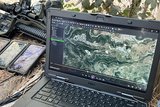
Taurus operates alongside the Israel Defense Forces’ Orion system which supports mission management across tens of thousands of manoeuvring forces, from squad leaders to battalion commanders.
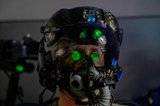
The plan for the new displays follows fresh investment in Kopin’s European facilities by Theon and an order for head-up displays in fielded aircraft, with funding from the US Department of Defense.

Persistent Systems received its largest ever single order for its MPU5 devices and other systems earlier this month and has already delivered the 50 units to the US Army’s 4th Infantry Division.

Connect with us on socials


