Latest UK report reveals fall in export deals
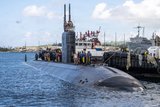
The UK goverment has released defence and security export statistics for 2020. (Photo: Alamy)
It seems that the UK has maintained its presence in the top 10 global defence exporters worldwide — but it remains to be seen whether this will continue after COVID-19 and post-Brexit.


The UK government on 26 October published statistics that paint a broad picture of defence equipment exports in 2020 and the last decade, highlighting how the UK positions itself in the global landscape alongside its EU and non-EU competitors.
A report from UK Defence and Security Exports (DSE), based on data released by manufacturers and government agencies — highlighted almost £8 billion ($10.9 billion) worth of export contracts in 2020 — a 28.1% year-on-year decrease compared with the £11 billion recorded for 2019.
The economic impact of COVID-19 may have been one reason: the report mentioned that total exports to
Our news & analysis is now part of Defence Insight®
A Basic-level or higher Defence Insight subscription is now required to view this content.



More from Defence Notes
-
![UK urged to prioritise sea, air and space over heavy armour]()
UK urged to prioritise sea, air and space over heavy armour
A report from the Council on Geostrategy argues the UK should move away from a traditional balanced force and shift investment to naval, air and space capabilities, backed by a larger fleet of attack submarines and deeper AUKUS integration.
-
![Thales: deployment speed to determine winners in ‘production versus production’ era]()
Thales: deployment speed to determine winners in ‘production versus production’ era
At its technology summit in London, attended by Shephard, Thales UK examined the importance of speed to delivery, the growing focus on cross-domain capabilities and how procurement reform could be crucial for future battlefield advantage.
-
![Orchestrating operational readiness across every defence domain]()
Orchestrating operational readiness across every defence domain
Are all systems ready for the next mission? Have upgrades been applied? Are all assets aligned to deploy together, on time and fully prepared? In modern defence operations, readiness is no longer measured platform by platform. It is measured by how well people, assets, data and decisions move together — across land, sea and air.
-
![Global tensions drive defence supply chain scrutiny]()
Global tensions drive defence supply chain scrutiny
Governments worldwide are scrambling to decouple defence supply chains from dependency upon strategic rivals, but countries could struggle to do it all themselves.